The Veteran Co-Sign We Didn't Know We Needed
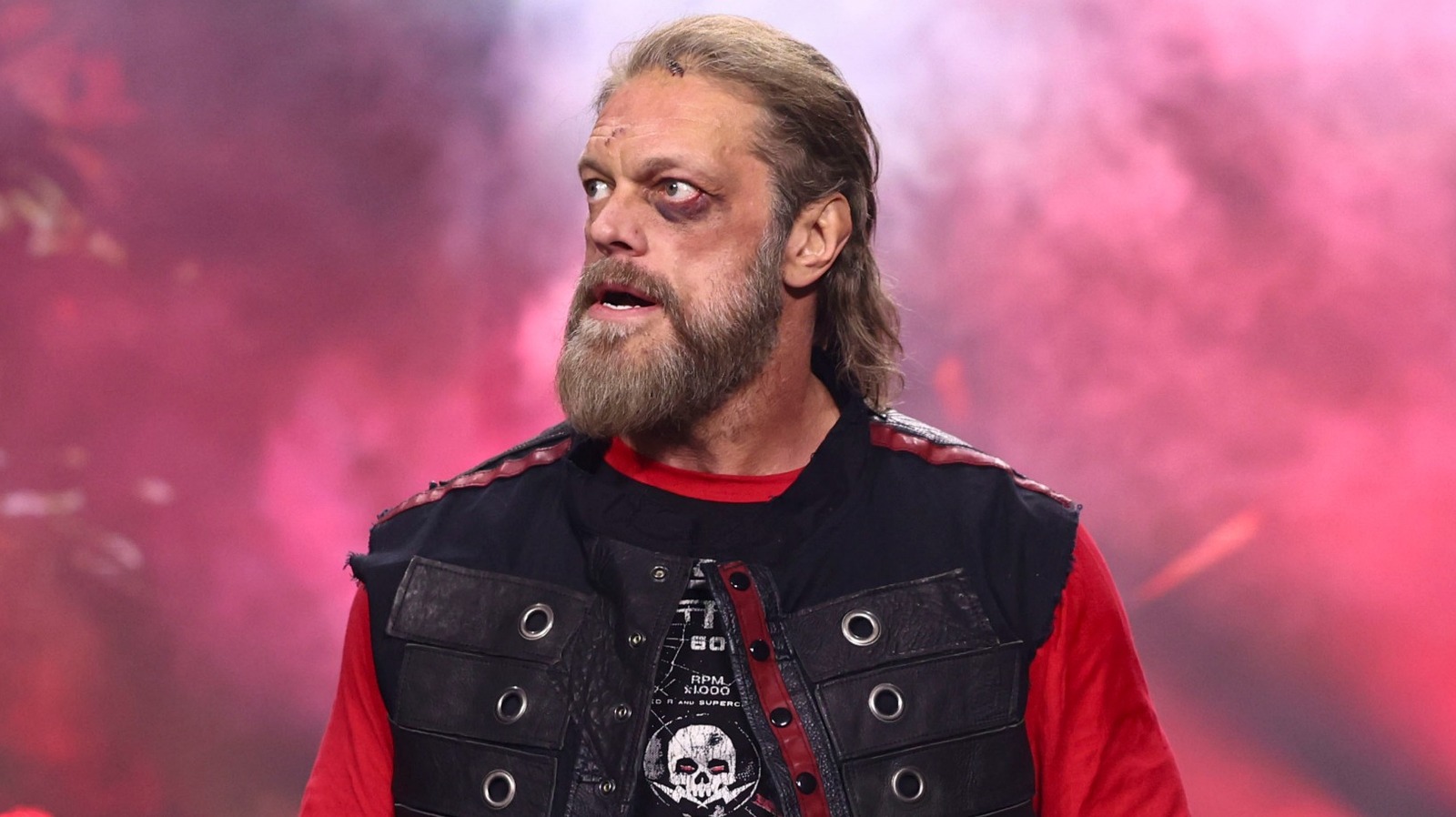
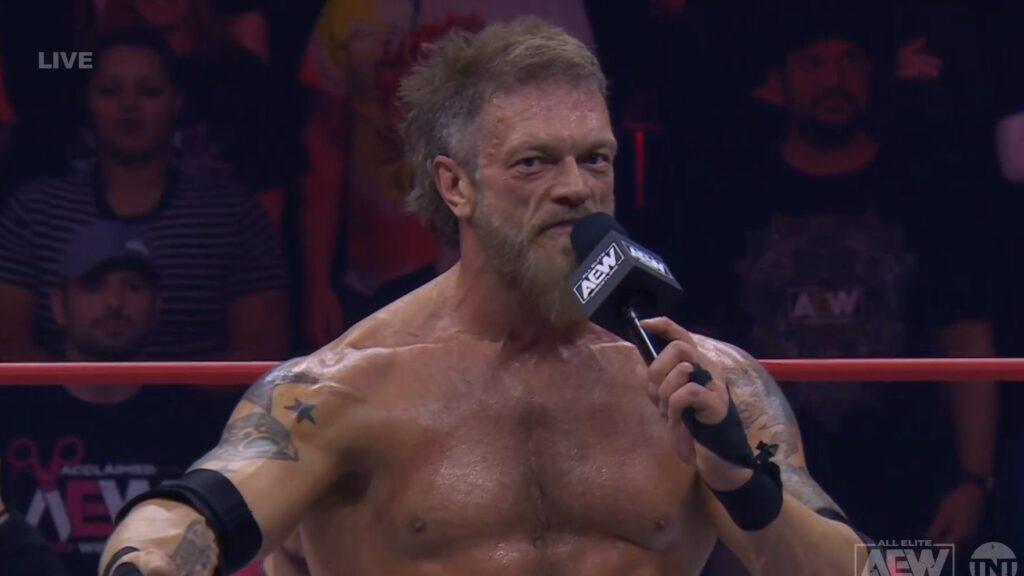
Adam Copeland sat down with Westwood One Sports recently and dropped a massive endorsement for Lio Rush. Specifically, Copeland singled out Rush’s recent, fully-committed plunge into the "Blackheart" gimmick. When a guy with Copeland’s resume starts taking notes on your character work, you are doing something right.
We aren't talking about a casual, throwaway namedrop on a podcast. The Hall of Famer explicitly praised how fully Rush is throwing himself into this dark, brooding persona. It caught my attention instantly. Mostly because it takes a massive amount of effort for a gimmick change to actually cut through the endless noise of professional wrestling right now.
Every indie kid with a ring name thinks a wardrobe change and some heavy black eyeliner makes them a menacing heel. Most of the time, they just look like a Hot Topic assistant manager running late for a shift. It’s the wrestling equivalent of slapping "AI-powered" on a basic spreadsheet. But Lio Rush is actually pulling it off, and Copeland sees it.
The Deep Origins of the Blackheart
If you haven't been obsessively refreshing Cagematch and trading tape for the last decade, you might think this Blackheart thing is completely new. It isn't. Rush actually birthed a raw, unpolished version of this character way back in his Combat Zone Wrestling days. Back then, it was a visceral reaction to the fans. A heavy pivot away from the hyper-athletic spotlight.
He brought elements of it to the indies, painting his face, changing his pacing, and adopting a much more vicious, calculated moveset. It was jarring in the best way. People knew Lio as the human highlight reel. The guy who could hit a flawless Spanish Fly off the ring apron in his sleep. When he deliberately slowed down and started trying to hurt people rather than impress them, the crowds didn't know how to react.
Then WWE called. They didn't want the Blackheart. They wanted the loudmouth.
We all remember the Bobby Lashley era. Rush was phenomenal in that role. He took a basic, repetitive hype-man gig and turned it into absolute gold. He bumped like an absolute maniac and made Lashley look like a million bucks every Monday night. But you could always tell there was a massive ceiling there. WWE management saw him as a fun accessory, not a main event player. Even his NXT Cruiserweight Championship run, while solid in the ring, felt like a consolation prize compared to what he was actually capable of.
The Dante Martin Mistake
Remember his early days in AEW? He showed up, and they immediately slapped a headset on him and cast him as a slick-talking manager for Dante Martin. It was completely fine. But it felt incredibly lazy. It felt like they were just recycling his WWE gimmick because they didn't know what else to do with him.
He was trading cryptocurrency, wearing suits, and cutting fast-talking promos. It’s like a company deploying a 70B parameter model just to sort a CSV file. A complete misfire for his actual talent level. You have one of the most gifted in-ring performers of his generation, and you are using him as a mouthpiece for a high-flyer who was still figuring out how to work the hard cam. It was frustrating to watch.
The Blackheart persona is the total rejection of that era. It is Rush loudly declaring that he is done standing at ringside while other people get the glory.
Why Copeland Cares
Adam Copeland knows exactly what Lio Rush is navigating right now. Think about Edge in the late 90s. He started as the silent guy coming through the crowd. Then he was the goofy tag team guy with Christian, doing five-second poses. He didn't truly break out until he fully committed to being the most despicable, opportunistic heel on the planet.
Copeland understands that a wrestler's shelf life is heavily dependent on their ability to evolve. You can't rely on being the fastest guy in the ring forever. Eventually, your knees start barking. Your lower back tightens up on those long flights. If you don't have a deep, psychological character to fall back on, you drop down the card faster than a botched suplex.
That is why Copeland’s comments on Westwood One matter so much. He recognizes the mental work Lio is putting in. Rush isn't just wearing black trunks and scowling. He is altering his micro-expressions. He is changing the way he stalks his opponents. He is putting nasty, deliberate intent behind his strikes instead of just rushing to the next high spot. He is wrestling with a chip on his shoulder, and it bleeds through the screen.
The Brutal Reality of AEW Booking
Now for the uncomfortable truth. I love that Lio Rush is committing to this bit. I really do. But let's look at AEW's track record with secondary characters over the last two years.
Will this actually lead anywhere? We are exactly four days away from Double or Nothing 2026. The card is incredibly stacked. The television time across Dynamite and Collision is fiercely restricted. AEW has a terrible, documented habit of taking a hot act, giving them three weeks of solid television, and then unceremoniously dropping them onto Ring of Honor or dark matches the second a shiny new free agent walks through the door.
This is the critical flaw in the whole machine right now. Tony Khan loves a shiny new toy. Lio Rush has also historically struggled with consistency. He has retired, unretired, quit, and returned more times than Terry Funk. He has bounced between AEW, New Japan, and the indies with dizzying frequency. If he wants this Blackheart gimmick to stick and actually draw money, he has to stay in one place long enough for the audience to fully invest in the story.
This cannot be a two-month experiment. If AEW management actually listens to Copeland, they need to give Rush a sustained, prominent program. Put him in a bitter, three-month feud with someone like Darby Allin or Sammy Guevara. Let him actually cut his teeth as a vicious antagonist. Do not just throw him into a random six-man tag match on Rampage and expect the character to get over on work rate alone.
The New Japan Detour
We also need to talk about his time in New Japan Pro-Wrestling, because that run laid the groundwork for what we are seeing right now. When Rush entered the Best of the Super Juniors tournament, a lot of domestic fans expected him to just hit his usual high spots and collect a paycheck. He did the exact opposite.
He went over to Japan and proved he could work a grueling, hard-hitting, physical style. His matches against guys like Hiromu Takahashi weren't just flips and dives; they were incredibly stiff, exhausting bouts that tested his endurance. He took massive bumps on the neck and kept fighting.
That New Japan run proved to the critics that Rush wasn't just a flashy American TV act. He gained a level of grit that he simply didn't possess during his WWE tenure. The problem was translating that gritty, hard-hitting style back to an American television audience that expects character-driven storylines. The Blackheart gimmick is the bridge. It takes the physical intensity he learned in Japan and wraps it in a theatrical package that an American TV audience can actually digest.
The Death of the Flippy Guy
We are watching the slow, agonizing death of the purely athletic indie darling. Fans are completely exhausted by it. A Canadian Destroyer on the apron barely gets a golf clap anymore. You do a 450 splash, and half the crowd is looking at their phones trying to find a better angle on Twitter. It’s the diminishing returns of pure work rate.
The bar for athleticism in modern wrestling has been raised so impossibly high that it is no longer a selling point. It is a basic prerequisite.
Lio Rush is smart enough to see the writing on the wall. He knows that his raw speed and agility are no longer enough to guarantee a top spot. By pivoting hard into the Blackheart persona, he is forcing the audience to react to his psychology rather than his acrobatics.
He is slowing down. He is letting his actions breathe. He isn't rushing the comeback. When he locked in a submission hold last week, he didn't immediately transition into a pinning combination. He wrenched back on the neck and glared a hole through the camera. That is character work. That is what sells pay-per-views.
What Happens Next?
Copeland’s endorsement should be a massive wake-up call for the booking committee. You have a respected veteran with decades of main event experience telling you that this kid is onto something special. Do not waste it by booking him in meaningless filler segments.
Rush needs a defining, brutal victory. He needs to put an established name on the shelf. The Blackheart gimmick will die a quick, pathetic death if he just goes out there and loses a highly competitive, 15-minute 50/50 match to Orange Cassidy next Wednesday. He needs to display genuine malice. Have him aggressively attack a referee. Have him refuse to break a hold after the bell rings. Make the fans genuinely uncomfortable.
Lio Rush has always had the physical tools. He has always had the mouth to cut a great promo. Now, it looks like he finally has the right mindset. If he can maintain his focus, and if the company actually puts the promotional machine behind him, this could be the run that finally cements him as a major player. If they drop the ball, it will just be another frustrating footnote in a career filled with what-ifs.