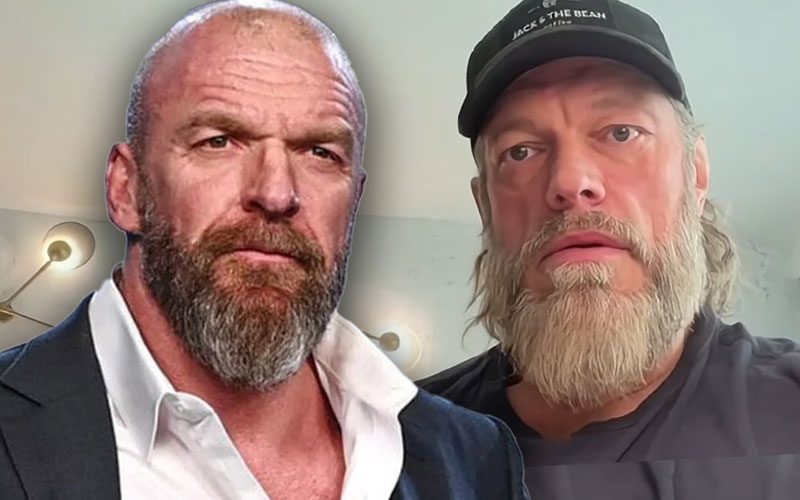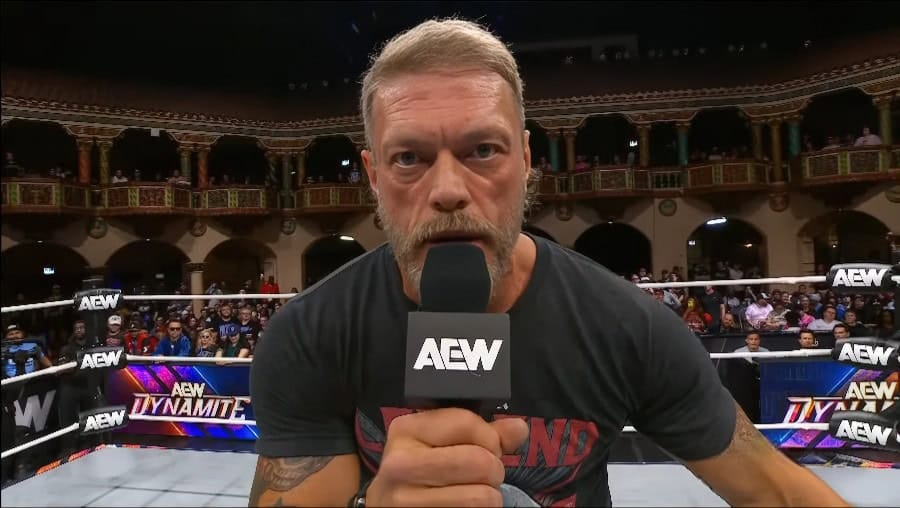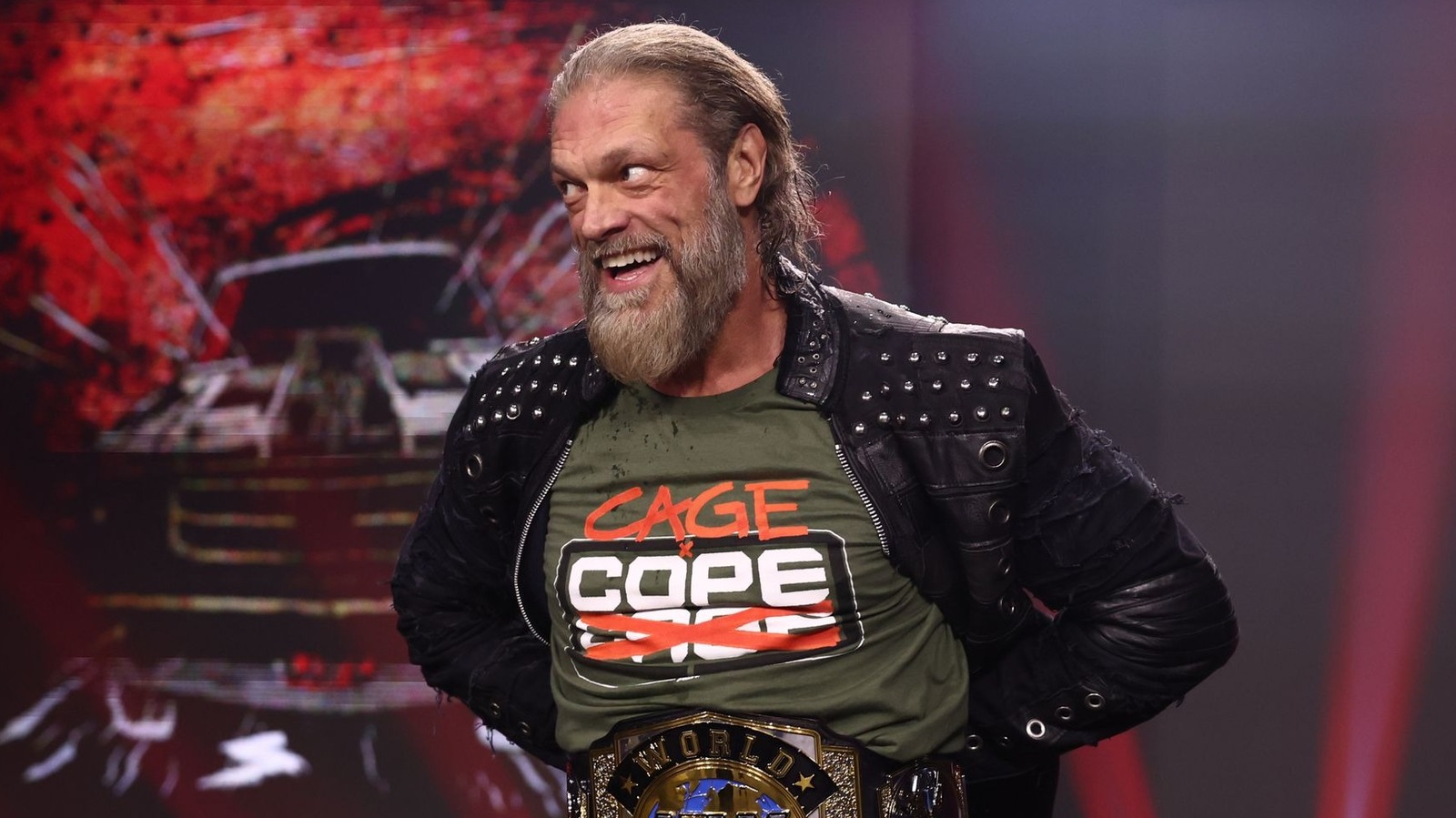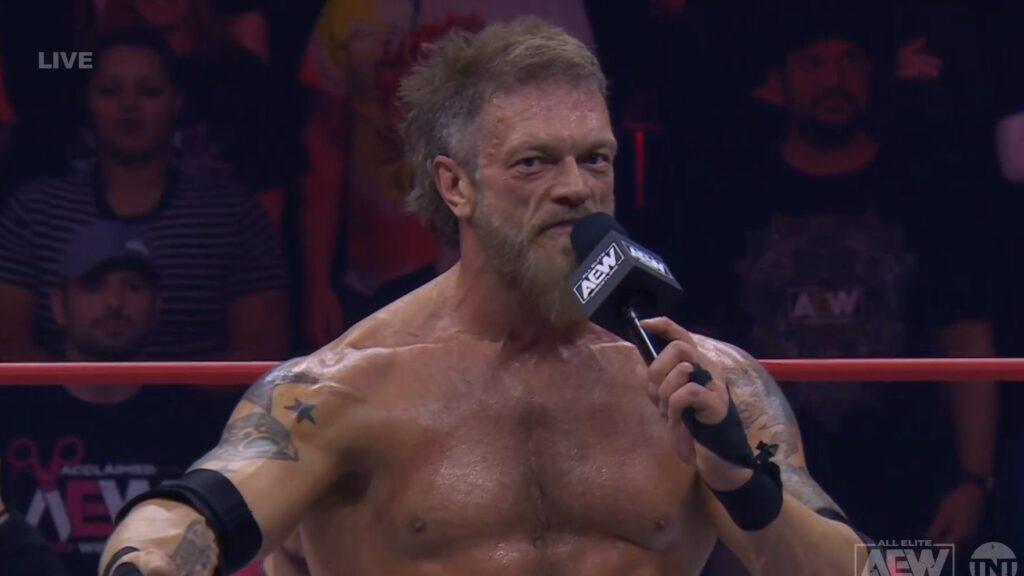
Copeland plotting a transition from the ring to the office
Adam Copeland is actively positioning himself for a permanent backstage role within All Elite Wrestling. Sources indicate that the former WWE champion has been vocal about his desire to contribute to the promotion’s behind-the-scenes operations, pivoting away from full-time active competition as his in-ring schedule lightens.
As reported by F4WOnline, these discussions are not merely speculative, but form part of a broader conversation regarding how veteran talent can shape the product. Copeland brings over two decades of high-level experience to a locker room that often leans toward a younger, indie-influenced aesthetic.
Evaluating the fit and the risks
AEW remains in a period of intense creative flux. Introducing a figure like Copeland into a coaching or producing capacity offers an immediate stabilizer. His tactical mind for psychology, specifically his ability to layer storytelling over high-spots, is something the roster currently lacks.
However, the transition comes with a built-in risk. Veteran wrestlers moving into corporate or creative power centers often struggle to reconcile their own ring-centric worldview with the specific needs of an alternative promotion. There is a danger that the product ends up feeling like a diluted imitation of a WWE style if the transition is managed poorly.
We have seen these power dynamics shift before, and it rarely happens without friction. If Copeland intends to influence the booking, he will need to find common ground with Executive Vice Presidents and Tony Khan. A failure to bridge that gap could lead to a fractured locker room environment.
The creative direction: A fresh set of eyes
Copeland’s recent praise for the "Blackheart" gimmick adopted by Lio Rush, as highlighted by BodySlam.net, reveals exactly what he values: character commitment. Copeland seems interested in helping wrestlers maximize their screen time through sharper character work rather than just technical sequence improvements.
This suggests that if he lands a backstage role, we should expect a shift toward character-driven feuds. We are talking about longer promos, clearer motivations for face/heel turns, and an emphasis on intensity. It is a necessary shift for a company that often prioritizes move sets over narrative cohesion.
Yet, fans should be wary of the "WWE-ification" of the AEW undercard. If Copeland pushes for the style he mastered during his Hall of Fame career, it might alienate the audience that tuned in for the high-octane, move-heavy presentations that defined the promotion's early output. Striking that balance will be the hardest part of any official appointment.
Probability assessment and final outlook
We rate the probability of this deal happening as high. AEW is currently light on veteran producers who have worked under the specific pressures of a major television product, and Copeland is looking for long-term viability beyond his physical bumps in the ring.
Expect an announcement regarding his transition to a hybrid player-producer role within the next two months. This fits the timeline of someone looking to secure their future after a series of high-profile feuds. The real question is not if it happens, but how much autonomy Tony Khan will cede to him.
If Copeland successfully moves into a creative role, the impact should be visible by late summer. A focused, character-centric approach would be a welcome change from the disjointed booking that has plagued several segments of the mid-card recently. However, one has to wonder if the locker room will respond well to veteran leadership that dictates how they should be working their matches during a 15-minute TV window.
This is a major move that could define how AEW approaches its televised product for the remainder of the 2026 calendar year. Whether it leads to a renaissance of character development or a stifling of creativity, the result will be impossible to ignore for anyone following the promotion.