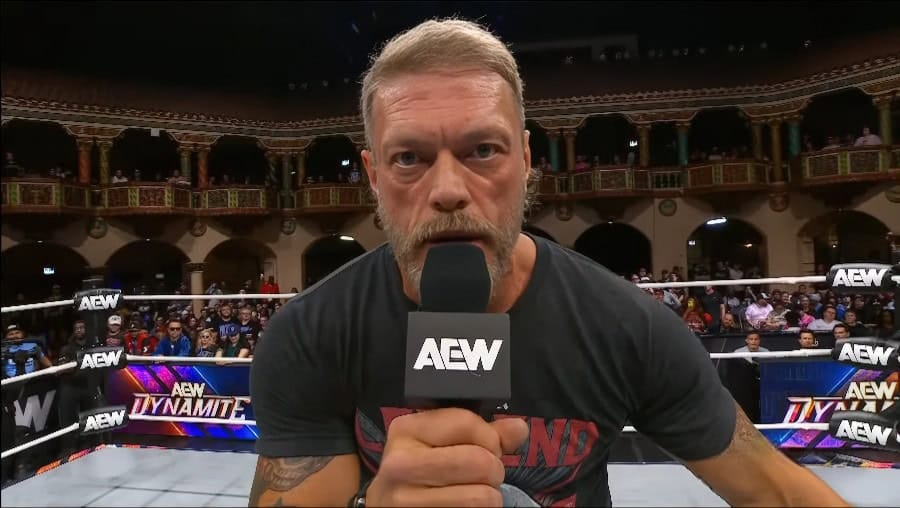
Adam Copeland’s post-ring ambition is missing the bigger picture
The transition trap for veteran talent
Professional wrestling is a finite game. The bump card is real, the ligaments are finite, and everyone eventually reaches the moment where the boots are hung up for the final time. We frequently see veterans pivot toward the creative offices or the gorilla position. Yet, Adam Copeland’s recent outlook regarding his own eventual transition away from active competition requires a more critical evaluation.
Copeland has been explicit about his vision for his twilight years. He isn’t speaking in hushed tones about being finished; he is speaking in strategic tones about what happens next. The industry often equates longevity with coaching, but the skill set required to navigate the political and creative backchannels of a modern promotion rarely overlaps with the ability to tell a compelling story between the ropes.
Tactical drift in creative direction
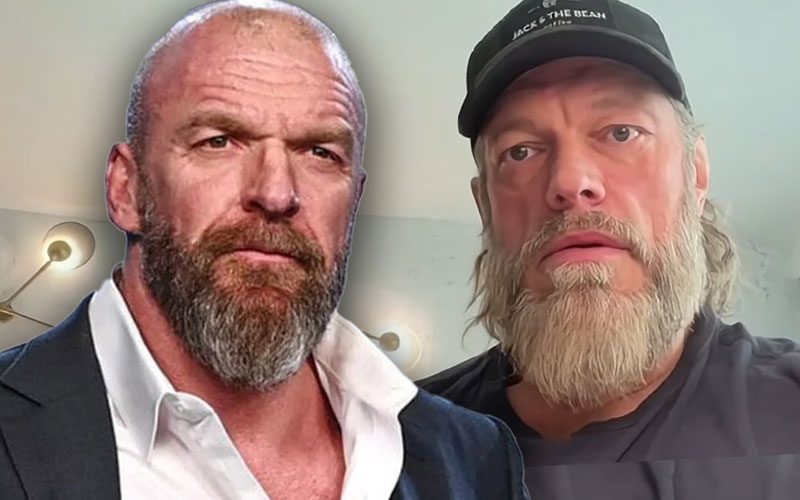
The Triple H model is cited constantly in backstages across the world. It provides a blueprint for turning on-camera capital into executive influence. However, looking at the history of those who take this path, the success rate is remarkably low. Wrestlers have an instinct for crowd reception, which is a visceral, immediate metric. Management requires an analytical coldness that is fundamentally at odds with the perspective of a performer.
When Copeland talks about his future, he emphasizes a desire to stay within the machine. This is understandable. After nearly three decades of high-impact action, the structure of a front-office role offers a stabilizing influence. Yet, the history of this shift is littered with performers who struggle to bridge the gap between their own history and the new requirements of maintaining a product’s internal logic.
We have to address the flaws in this logic. Being a top-tier performer often masks a lack of technical understanding regarding roster depth or budget management. Copeland has a deep appreciation for the craft, but coaching requires a high level of abstraction. You are no longer managing your own momentum. You are managing a total roster output. That is a radically different function.
The risk of the echo chamber
If Copeland pursues a path strictly mimicking those who have come before him, he risks falling into the same trap as many of his contemporaries. The wrestling industry tends to recycle its own internal logic to a fault. By relying solely on the institutional knowledge passed down through generations of performers, promotions often fail to evolve their storytelling techniques.
Instead of focusing on the internal hierarchy, a veteran with his specific level of experience would serve the industry better by acting as an external creative challenge. The most significant flaw in the current booking approach across the major promotions is the lack of genuine, unforeseen narrative tension. Everything feels like a callback to a previous era. We are currently watching the industry chase ratings through nostalgia because the development of new, distinct voices is stagnant.
Adam Copeland already has a vision for how he wants his wrestling career to end — but when it comes to following...
Applying this logic to his future, if Copeland simply steps into the existing power structure, he will inevitably reinforce it. He is a master of the promo and a technician of the ring, but those skills do not translate into the architectural vision for a company. Wrestling as a medium feels like it is stalling. We are seeing diminishing returns on the same types of feuds and the same types of pacing, leading to a product that focuses on the moment rather than the overall flow of the calendar.
The ambition to move to the front office is often presented as a step up. From a player-manager perspective, it is a descent into a set of constraints that do not allow for the creative freedom a top-tier talent expects. If he wants to leave a lasting impact, he needs to look at the gaps in current production. He needs to evaluate how the game is analyzed, how the pacing is managed, and how the gaps between segment-to-segment transitions are filled.
Ultimately, the transition for an athlete of his stature should be about disruption, not assimilation. If the industry is going to move beyond its current reliance on self-referential narratives, it needs voices who can challenge the existing tactical dogmas. Whether Copeland can be that person remains a subject of intense debate among those of us tracking the evolution of the ring product.
He has earned his legacy. He has demonstrated the ability to adapt to changes in the industry, from the turn of the century to the modern streaming era. But moving into a role that merely sustains the current status quo will not move the needle. The target should be to alter how the stories are told, not simply to occupy the chair from which they are directed.
WWE Elite Collection Series 109 Action Figure
Super-articulated action figures for the ultimate ringside display.
Frequently Asked Questions
What are Adam Copeland's plans after retiring from wrestling?
Why do veteran wrestlers often struggle in management roles?
What is the Triple H model in professional wrestling?
How does the wrestling industry currently handle creative storytelling?
What alternative post-ring role is suggested for Adam Copeland?
More Coverage
Why WWE's corporate booking machine keeps fumbling its best faction ideas
48 minutes ago
WWE Stacked Card for Detroit RAW Sets Up Crucial Mid-Summer Pacing
49 minutes ago
The backstage fallout of WWE's rotating roster and injury management
50 minutes ago
Why Triple H is gambling on Nick Aldis in the ring
51 minutes ago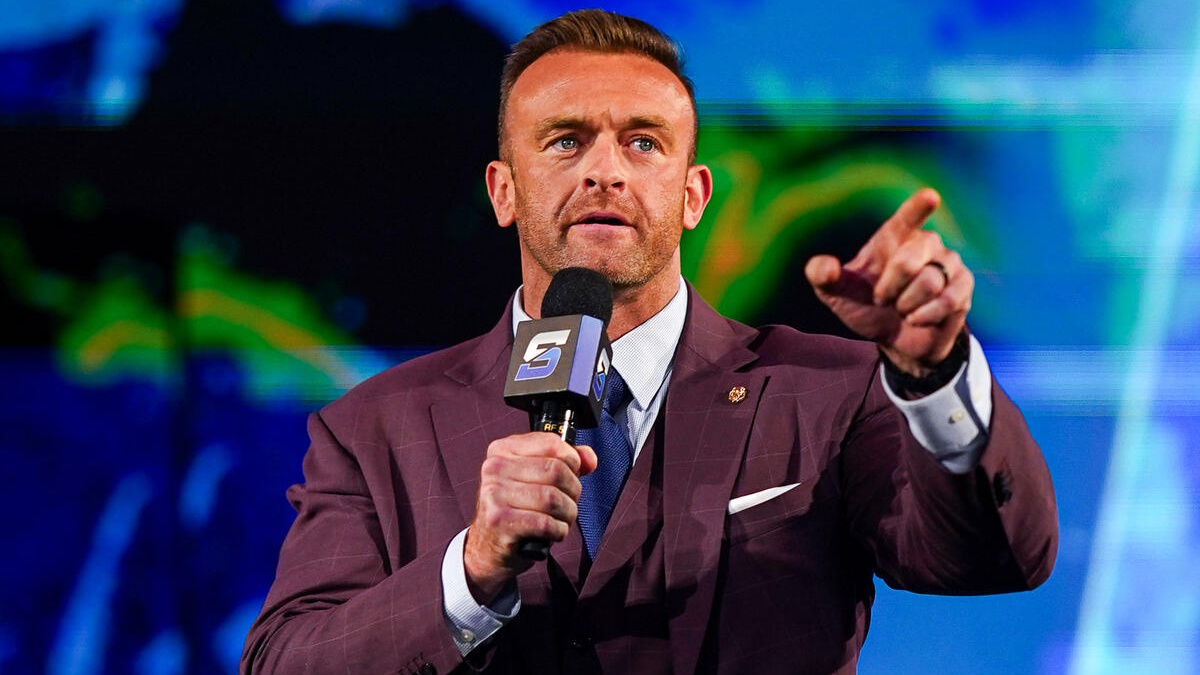
Nick Aldis walking into an impossible SummerSlam corner
an hour ago
Booking Nick Aldis at SummerSlam is a colossal misfire
an hour agoMore Analysis
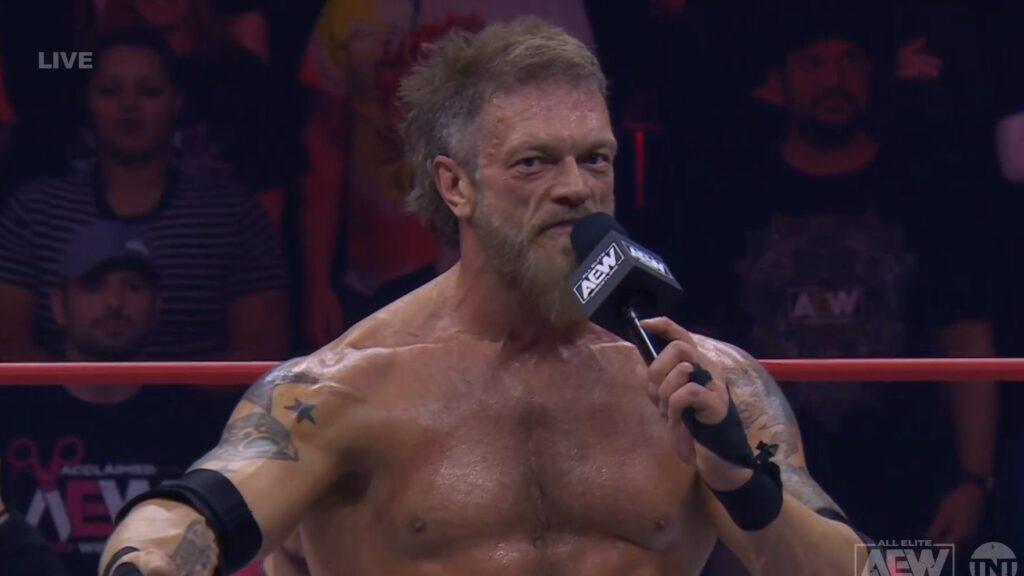
Adam Copeland is eyeing an AEW production role as his ring time cools
1 month, 4 weeks ago
Adam Copeland aiming for a massive shift to AEW’s creative department
1 month, 4 weeks ago
Adam Copeland isn't trying to be the next Triple H
2 months, 1 week ago
Adam Copeland's Endgame: Charting the Course for His Final Act
2 months, 1 week agoAdam Copeland is chasing a ghost he can't catch in AEW
2 months, 3 weeks ago