The pacing problem that derailed a top faction
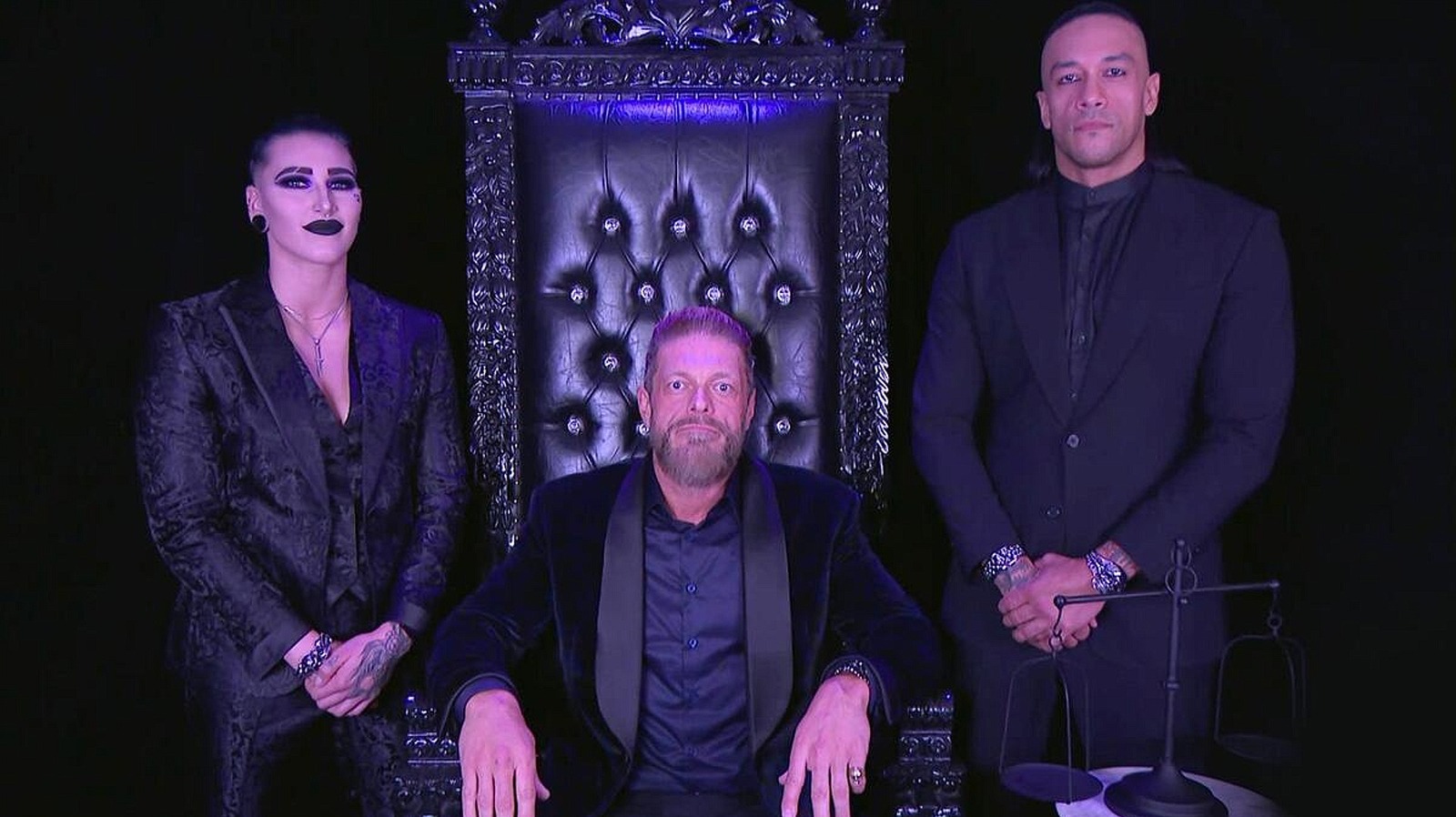
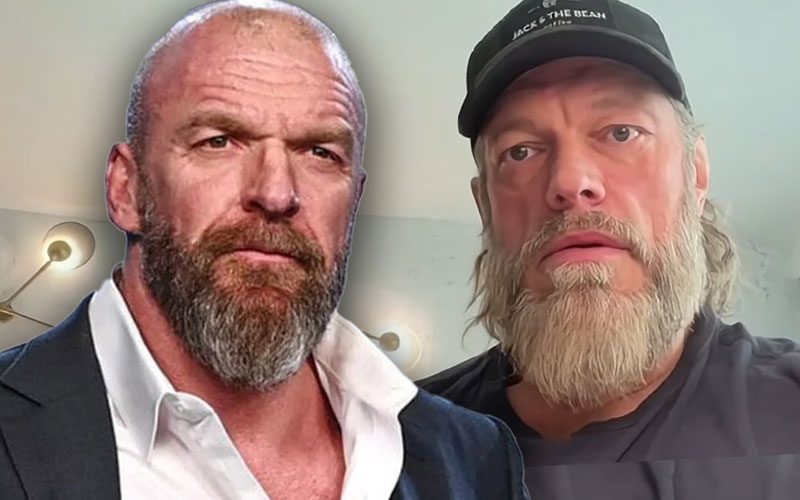
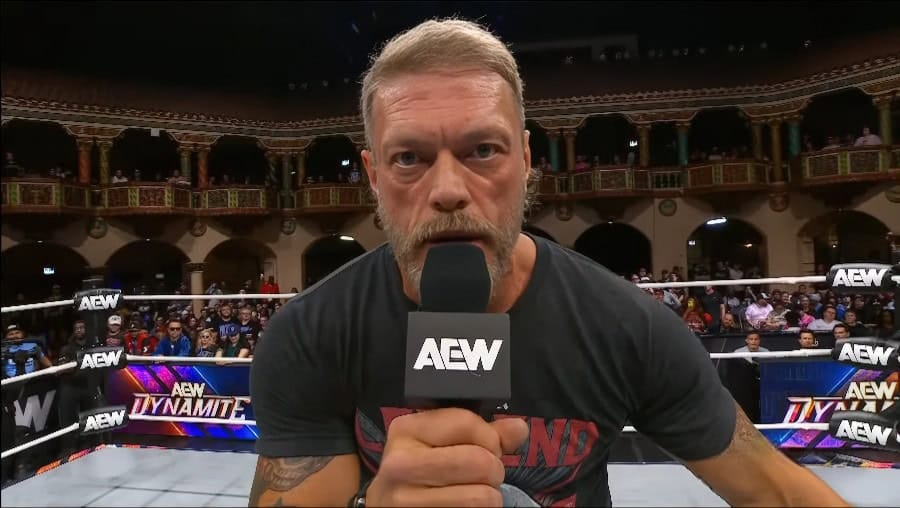
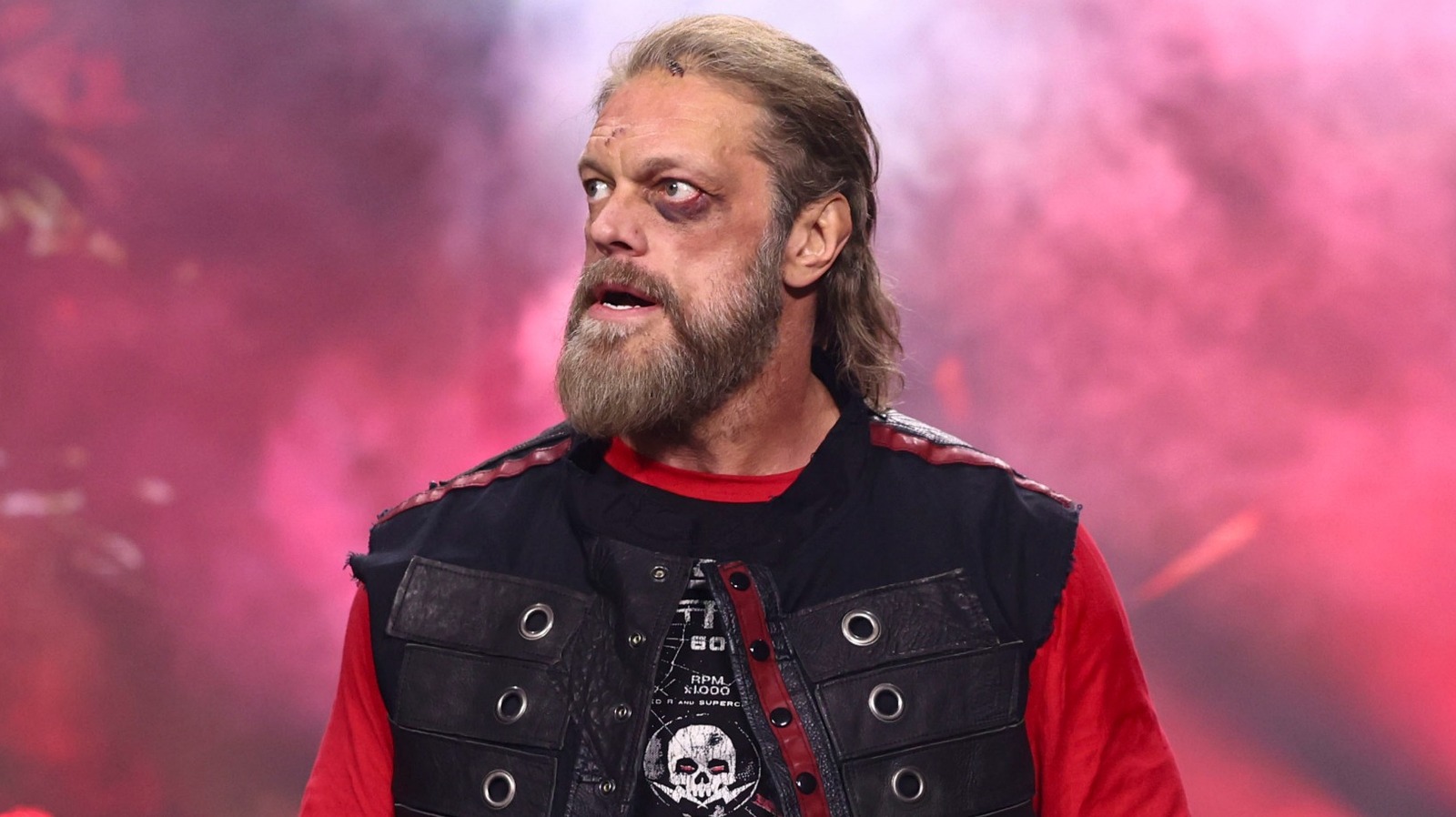
Adam Copeland recently opened up about his tenure leading The Judgment Day in WWE, pointing toward a specific structural failure: timing. As Wrestling Inc reported, Copeland feels the transition from fan favorite to dark, supernatural heel happened too fast. He identified the rush as the primary reason the character work lacked the necessary weight.
When you break down the timeline, the fatigue becomes obvious. It was a 3-month window between his high-profile babyface arc and the creation of a gothic faction. The audience was never given time to digest the shift, turning a potential generational stable into a concept that struggled for logical consistency.
Tactical flaws in the booking office
Booking a legend into a heel role requires a slow, calculated pivot to ensure the crowd buys the change in motivation. Instead, WWE shoved him into the role with little narrative clearance. This is the danger of pushing talent into new archetypes before the previous one has concluded its natural lifecycle.
Copeland's frustration stems from a lack of slow-burn storytelling. In wrestling, pacing dictates whether a character arc lands or misses the mark entirely. Without that breathing room, the audience remained loyal to the version of him they had cheered for years, leaving the heel turn hollow and lacking conviction in the ring.
Looking forward to his next chapter
The lessons from that period appear to have filtered into his current work. He now prioritizes character agency over creative mandates that force immediate shifts in tone. If the booking in his current promotion ignores these pacing lessons, he risks repeating the same disconnect he experienced in 2022.
My prediction for his next major storyline is rooted in this newfound restraint. He will move away from complex, high-concept character traits and return to the grounded, visceral aggression that defined his early career. He has realized that the audience prefers an authentic transition over a rapid, forced one. Expect a slower, more deliberate character beat in the coming months as he moves past these lingering regrets.
Why the math matters
The 90-day cooling-off period most promotions rely on clearly was not applied here. By cutting the buildup short, the creative team stripped away the emotional stakes required for a successful faction launch. A mid-card heel or a fresh rookie might survive a rushed debut, but a veteran of Copeland's stature demands more.
Ultimately, the failure was not the fault of the performer but the structure of the push. He understood the optics of his own character better than those writing the scripts. As he continues his run, this self-awareness will be his most valuable asset.