The Attrition of Fight Week
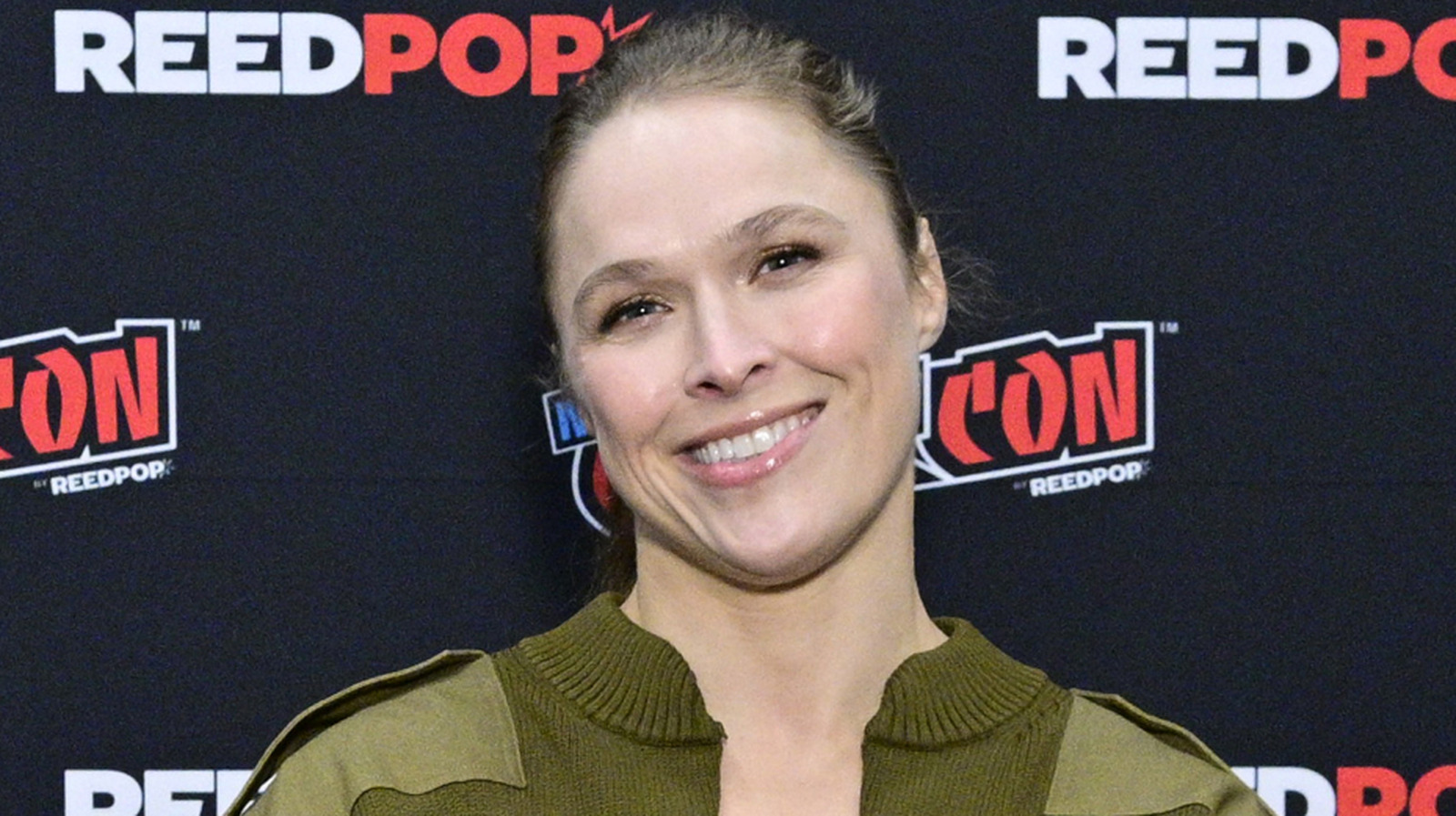
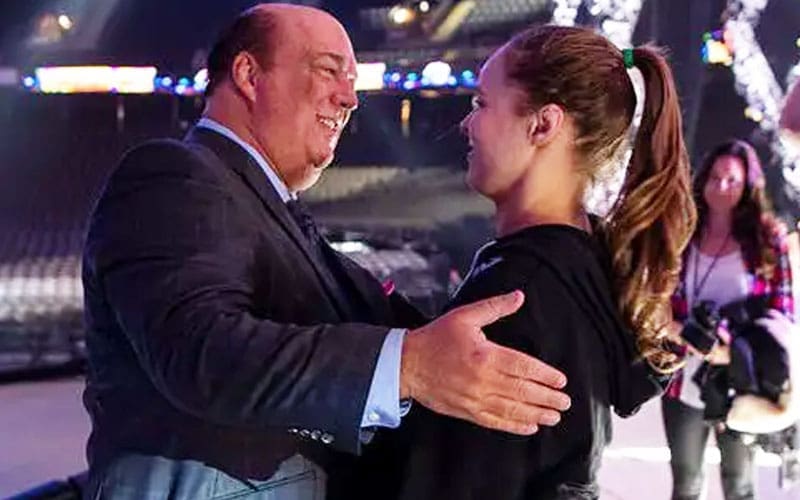
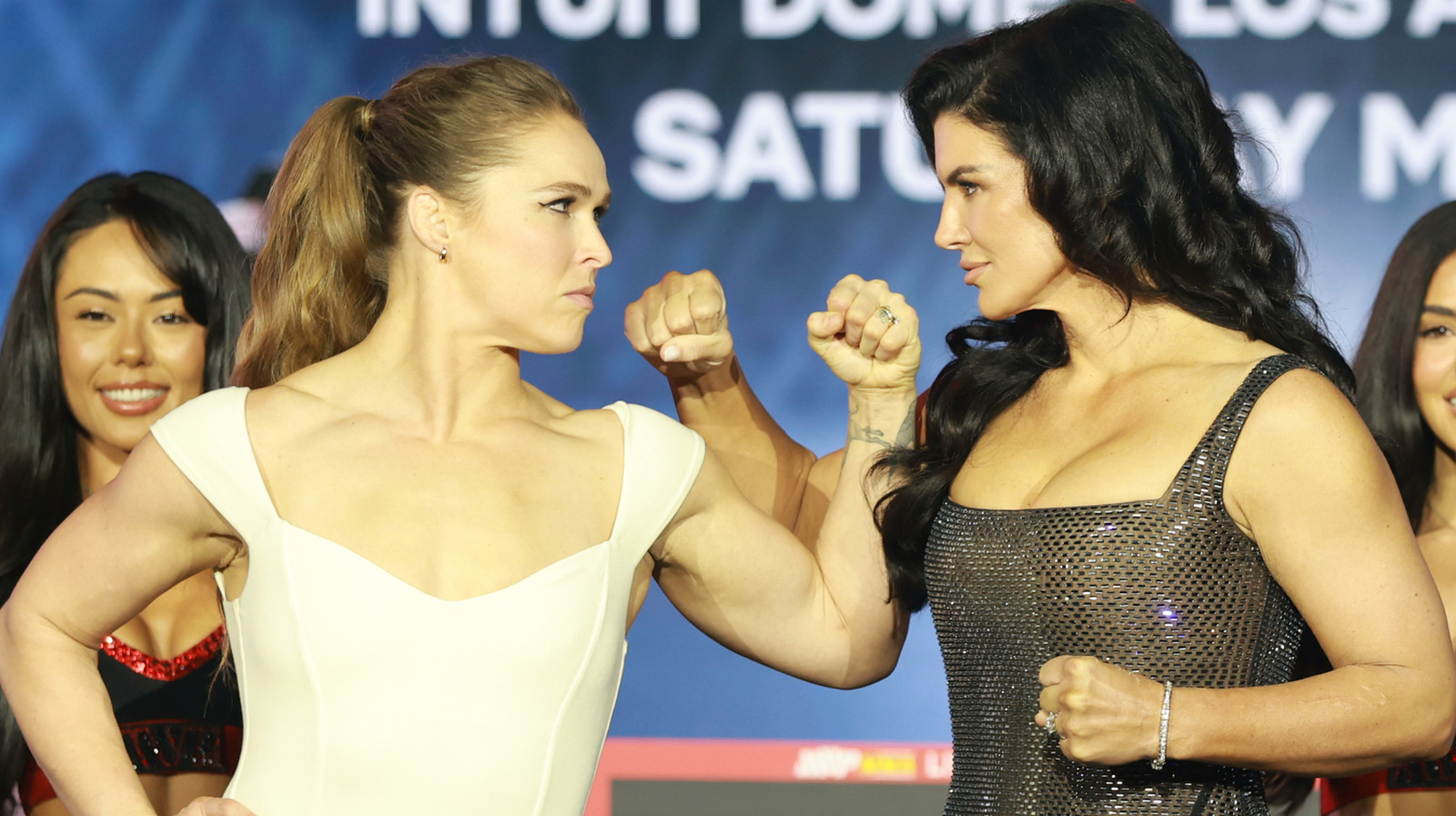
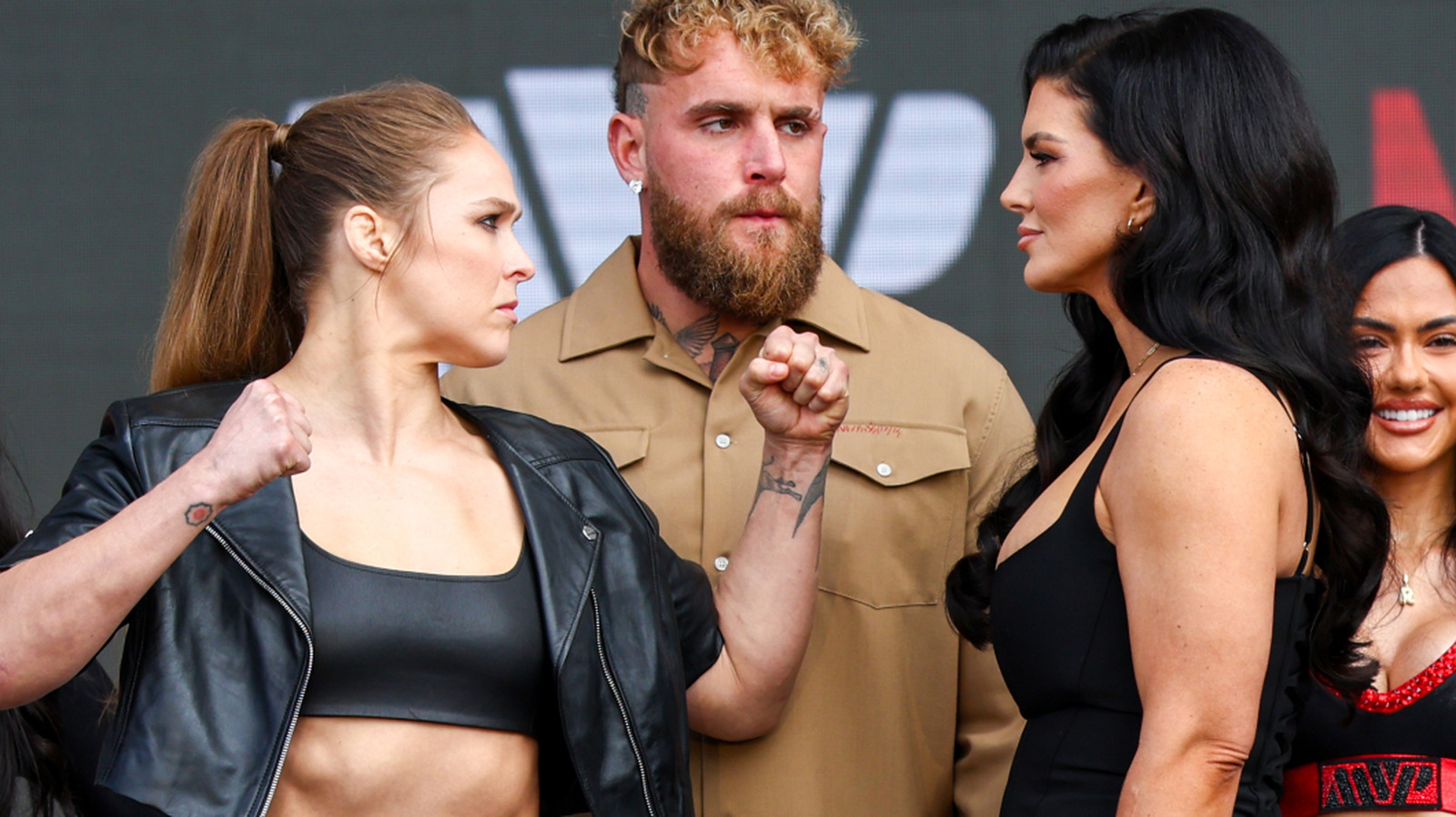
The highly anticipated MVP MMA card headlined by Ronda Rousey and Gina Carano has taken a hit.
A former UFC fighter slated for the undercard has been forced out of their bout due to an undisclosed injury, according to a report released on Wednesday.
While the promotion has yet to confirm the exact nature of the medical issue or name the specific athlete involved in the immediate fallout, the cancellation removes a key piece of veteran legitimacy from an event heavily reliant on its marquee main event.
This is the harsh reality of combat sports. You can book the most spectacular nostalgia act in the world, but you cannot bubble-wrap the undercard.
MMA training camps are meat grinders. The modern approach to fight preparation, even for veterans who have supposedly learned how to manage their bodies, remains fundamentally destructive.
The Brutal Math of an MMA Camp
To understand why a veteran fighter drops off a high-profile card weeks before the event, you have to examine the physiological demands of a modern MMA camp. It is not a fitness routine. It is a calculated degradation of the human body.
A typical eight-week camp involves striking sparring, wrestling, jiu-jitsu, strength and conditioning, and active recovery. The sheer volume of training hours guarantees a certain level of trauma.
When we see a late-notice withdrawal, the medical community immediately looks at a few common denominators.
First is the anterior cruciate ligament (ACL) and the medial collateral ligament (MCL). Wrestling defense is entirely reliant on planting the foot and resisting immense external force. When a training partner shoots a double-leg takedown and the defending fighter tries to sprawl late, the knee joint absorbs the kinetic energy. A slight miscalculation in angle, a slip on a sweaty mat, and a Grade 3 tear occurs in milliseconds.
That means surgery. That means six to nine months of absolute inactivity.
Then there are the orbital fractures and retinal detachments. Hard sparring is becoming less common in elite gyms, but it still happens. An errant thumb, a perfectly placed head kick during a live round—these cause injuries that immediately disqualify a fighter from competition. Athletic commissions will not sanction a fighter with compromised vision or a fractured facial bone.
We do not know the exact diagnosis for this particular withdrawal from the MVP card. But the timing suggests a structural failure rather than a minor tweak. A fighter will push through a sprained ankle or a jammed thumb for a payday on a card this big. They only pull out when the body physically refuses to function.
The Ripple Effect on the Card
The loss of a former UFC fighter from the Rousey-Carano undercard is not just a localized tragedy for the athlete. It compromises the structural integrity of the entire broadcast.
MVP MMA is selling a specific product here. They are selling the ghosts of MMA past. Rousey versus Carano is a fight that should have happened a decade ago. It is purely a spectacle.
To ground that spectacle, you need real, violent, competitive fights underneath it. You need veterans who still know how to bleed for a paycheck to legitimize the event. When one of those pillars crumbles, the entire edifice looks shaky.
The matchmakers are now working the phones in a state of absolute panic. They are calling managers of regional champions, recently cut UFC talent, and anyone who might be in fighting shape.
But stepping in on short notice against a fully prepared opponent is career suicide for many fighters. The risk-to-reward ratio is terrible unless the promotion significantly overpays.
Historical Precedent for Card Collapses
History is littered with major events that unraveled due to late-stage injuries. We have seen this play out time and time again in the UFC, and now MVP MMA is getting a taste of the chaos.
Think back to UFC 223. That card went through four different main event changes in the span of a week, involving freak injuries, weight cut failures, and a now-infamous dolly thrown through a bus window. The promotion scrambled to find anyone legally allowed to fight Khabib Nurmagomedov.
While this MVP cancellation isn't quite at that level of absurdity, the mechanical problem is the same. The promotion has sold tickets and pay-per-views based on a promised lineup. They are legally and ethically obligated to deliver a product of roughly equal value.
Finding a replacement who moves the needle in mid-April 2026 is incredibly difficult. Most top-tier free agents are already booked or holding out for bigger opportunities. The promotion will likely have to settle for a warm body, a fighter who is game but fundamentally overmatched.
This alters the betting lines, ruins parlay bets, and forces the commentary team to construct a completely new narrative on the fly.
The Betting Markets React
Speaking of the financial side, these cancellations cause massive ripples in the betting markets.
Combat sports betting is highly volatile. Information is money. When a fighter gets injured in the gym, rumors leak before the official announcement. Sharp bettors hammer the cancellation lines or move their money to other fights.
We just saw a prime example of how chaotic the information flow can be over the weekend. A report confirmed that a Polymarket trader netted an astonishing $250k due to a simple announcing mistake during a UFC broadcast.
In that case, the announcer read the wrong decision, the markets reacted wildly, and one trader capitalized on the discrepancy before the correction was issued.
An injury withdrawal creates a similar, though less instantaneous, shockwave. Money is refunded, lines are taken down, and the bookmakers have to scramble to evaluate the replacement fighter—often with zero reliable data on their current physical condition.
It is a chaotic environment that punishes the slow and rewards those with inside information.
The Bare Knuckle Alternative
While traditional MMA continues to grind its athletes into dust during training camps, a bizarre alternative is flourishing.
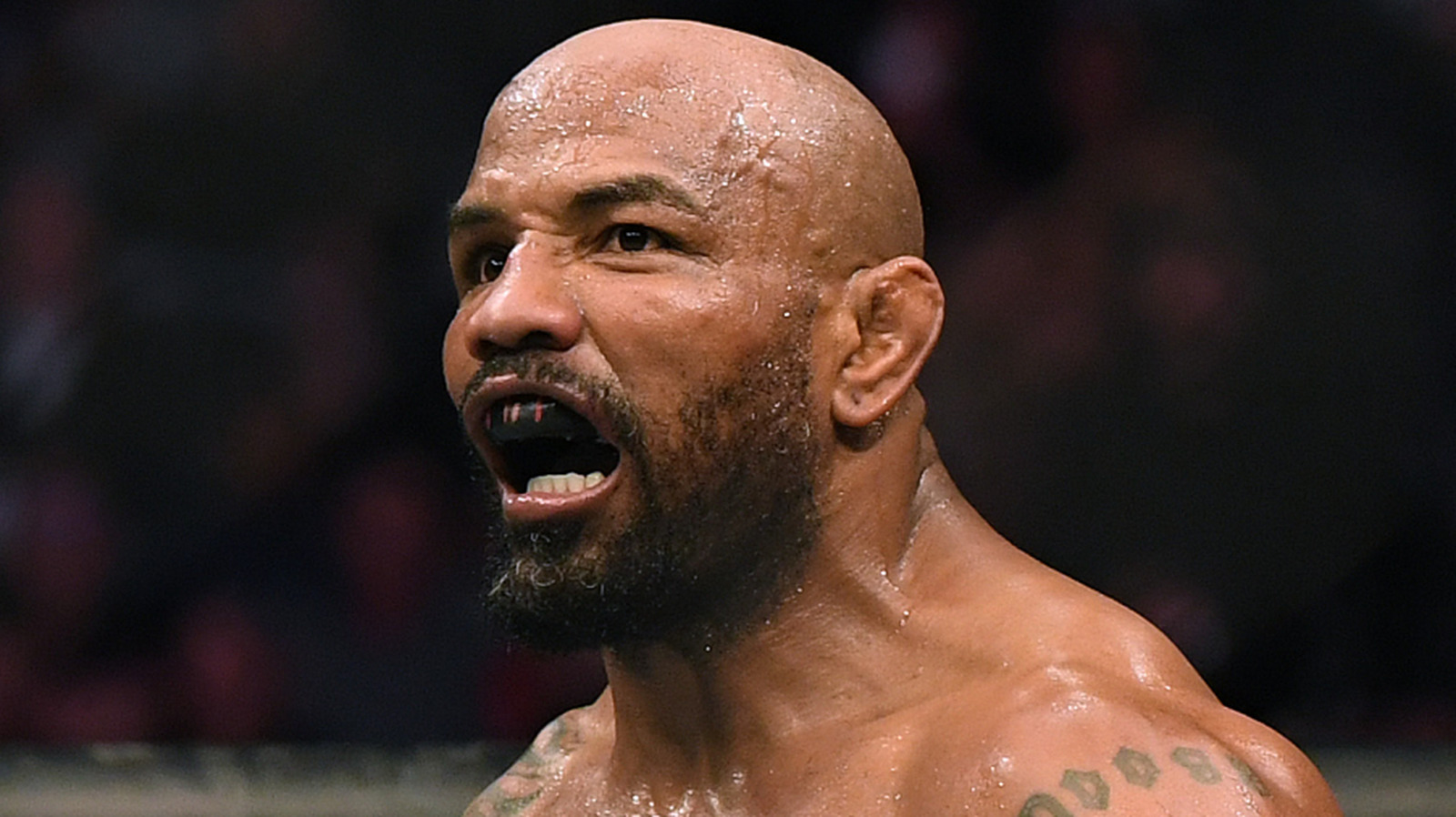
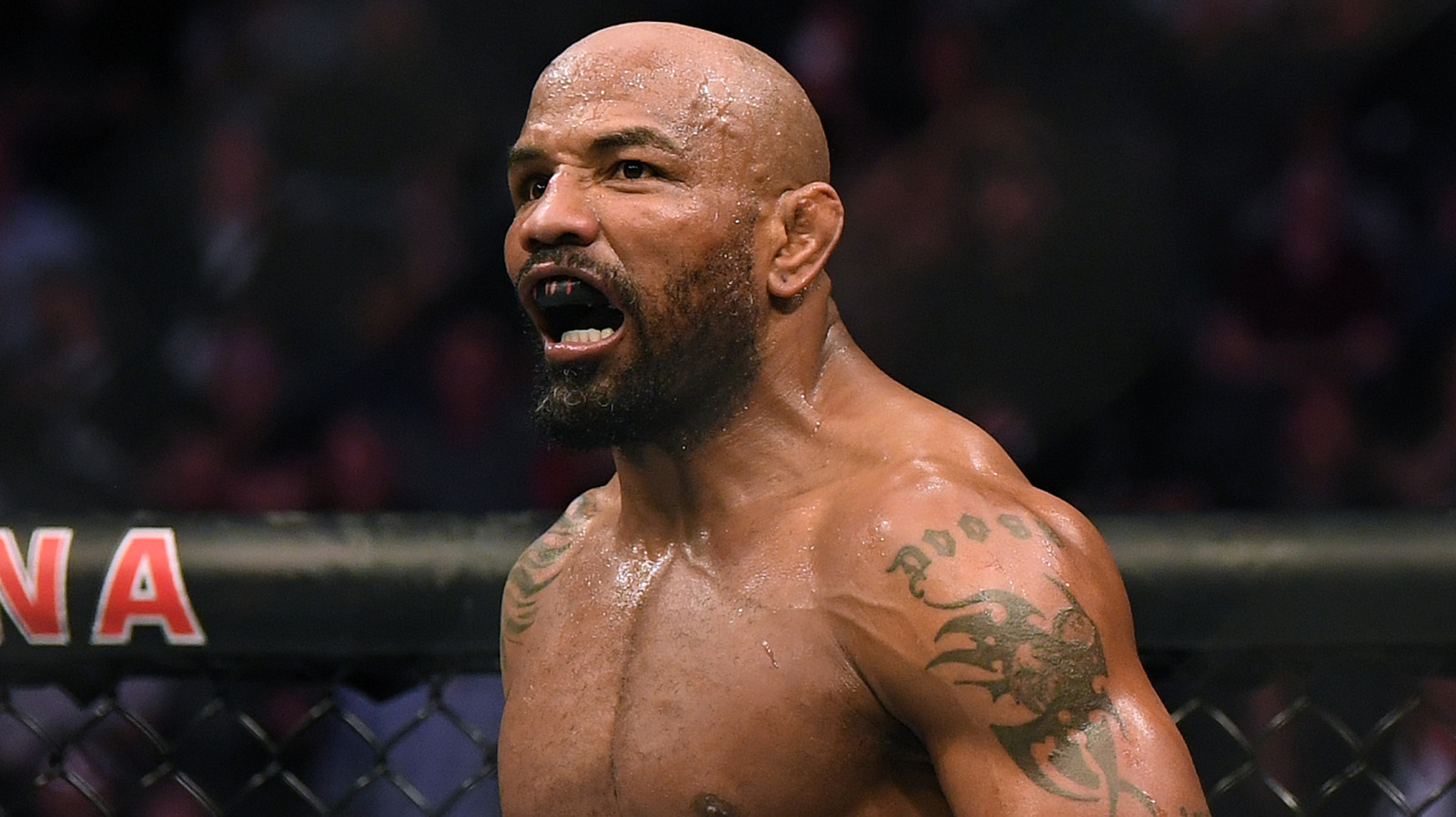
Yoel Romero is scheduled to fight on May 1 in his third bare-knuckle boxing appearance, taking on another former UFC star.
It sounds counterintuitive, but the medical reality of bare-knuckle boxing might actually be more forgiving when it comes to training camp attrition.
Yes, the facial damage in bare-knuckle is grotesque. Fighters routinely suffer severe lacerations and broken hands. But the training camps are fundamentally different.
Without the need to drill wrestling takedowns against a cage, or defend complex jiu-jitsu submissions, the stress on the knee and shoulder joints is drastically reduced. Fighters are not destroying their ACLs in sprawling drills. They are not tearing rotator cuffs trying to escape kimuras.
For an aging veteran, avoiding the grappling mat is often the key to extending their career. They can focus purely on striking mechanics and cardiovascular conditioning.
It is a grim trade-off. You sacrifice your face to save your joints. But for fighters looking to squeeze out a few more paydays without suffering a camp-ending injury like the one that just hit the MVP card, it is an increasingly popular choice.
The Immediate Outlook
The injured fighter off the MVP card now enters the grueling process of medical evaluation.
They will undergo MRI scans to determine the extent of the damage. If surgery is required, they are looking at a lost year. At the veteran stage of a career, a lost year is often a career ender.
Rehabilitation is a lonely, agonizing process. It is hours of physical therapy, fighting through scar tissue, and battling the psychological demon of knowing your body failed you when you needed it most.
For MVP MMA, the focus is entirely on damage control. They need a body in that cage. They need someone to walk down the ramp, bite down on a mouthpiece, and bleed for the crowd.
The Rousey-Carano main event is still the draw. That fight alone will likely carry the pay-per-view buys. But the undercard is meant to be the appetizer, the setup that justifies the exorbitant price of admission.
Right now, the promotion is missing an ingredient. And with less than a few weeks before the event, the matchmakers are scrambling to fix it.