The International Roster Paradox
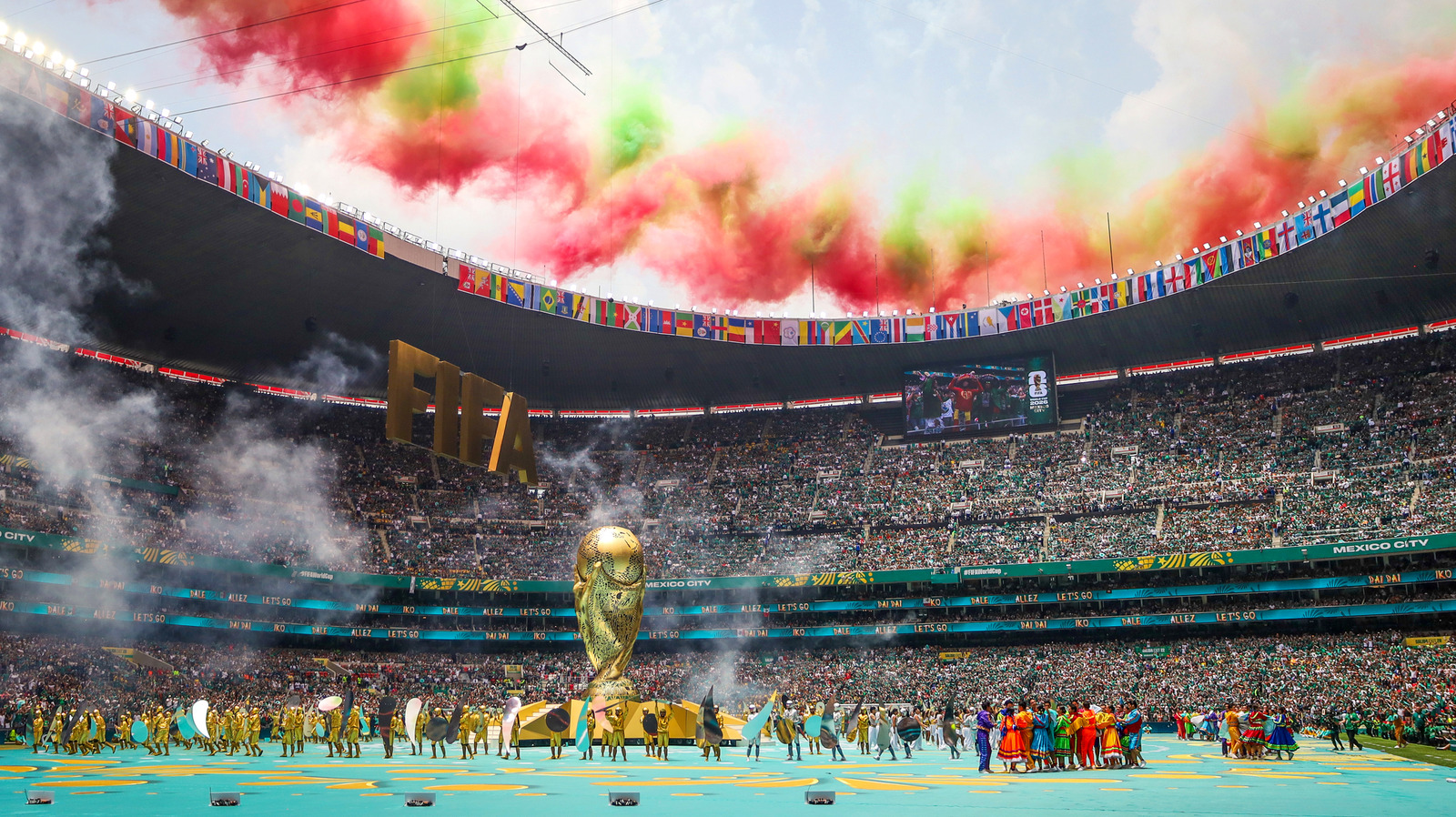
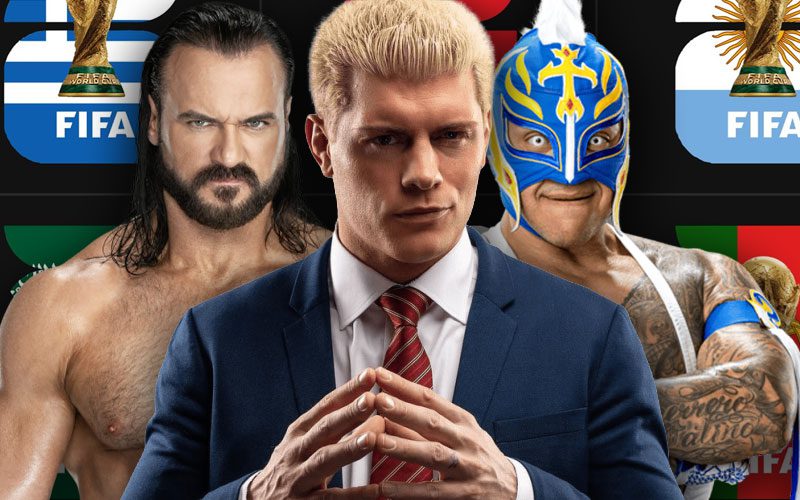
With the 2026 FIFA World Cup just weeks away, the global marketing machine is kicking into high gear. Every brand with an international audience is scrambling to drape itself in the flags of the 48 participating nations. WWE, a company that never misses a branding opportunity, is no exception. A recent piece by Ringside News surveyed a handful of superstars to see who they were backing, revealing a fascinating, if shallow, level of engagement.
The results are, to be blunt, a statistical anomaly. Despite boasting one of the most diverse international rosters in its history, the wrestlers featured almost exclusively defaulted to cheering for the United States or England. It's a curious case of a global company thinking remarkably local.
By the Numbers: A Tale of Two Nations
The survey reveals a stark concentration of support. Superstars like Sheamus (Ireland), Drew McIntyre (Scotland), and Finn Balor (Ireland), none of whom will see their home nations compete in the tournament, have thrown their weight behind England and the USA. It’s a pragmatic choice, but it highlights a missed opportunity for WWE.
Consider the data point that is the WWE locker room itself. The company employs talent from Mexico (Santos Escobar, Andrade), Argentina (Angel Garza), France (Baron Corbin, by heritage), Japan (Shinsuke Nakamura, Iyo Sky, Asuka), and numerous other nations heading to the tournament. Yet, the public-facing narrative, as captured in these promotional snapshots, funnels this diverse roster's support towards just two teams. The support for teams like Argentina and Mexico feels more like a footnote than a feature.
The Marketing Fumble
This isn't just about wrestler preferences; it's about business intelligence. WWE has made significant strategic pushes into international markets, most notably with its 'NXT Europe' brand and major stadium shows in the UK, Australia, and Puerto Rico. The World Cup presents a perfect, low-cost opportunity to activate those fanbases by highlighting local heroes.
Why aren't we seeing a dedicated digital series profiling Santos Escobar's passion for El Tri? Or a social media showdown between the English and French talent on the roster? Instead, the engagement feels passive—a quick answer in a backstage interview rather than a proactive campaign. It speaks to a strategy that, despite a global roster, still defaults to an Anglo-American perspective. It's safe, but it lacks the ambition the company shows in other areas.
The Counter-Intuitive Finding
The most surprising takeaway is the sheer lack of statistical or analytical depth in the wrestlers' support. These are elite athletes who understand the metrics of performance. Yet, their commentary on the world's biggest sporting event is reduced to the most generic level of fandom. There's no mention of player form, tactical systems, or group stage odds.
This is arguably the biggest flaw in the strategy. By treating the World Cup as a simple 'who are you rooting for?' exercise, WWE is failing to leverage the expertise of its own talent. It's a move that makes the entire crossover feel inauthentic, like a mandated corporate activity rather than genuine passion. For a company built on narratives of conflict and competition, it's a curiously flat performance.