Measuring the value of the fan experience
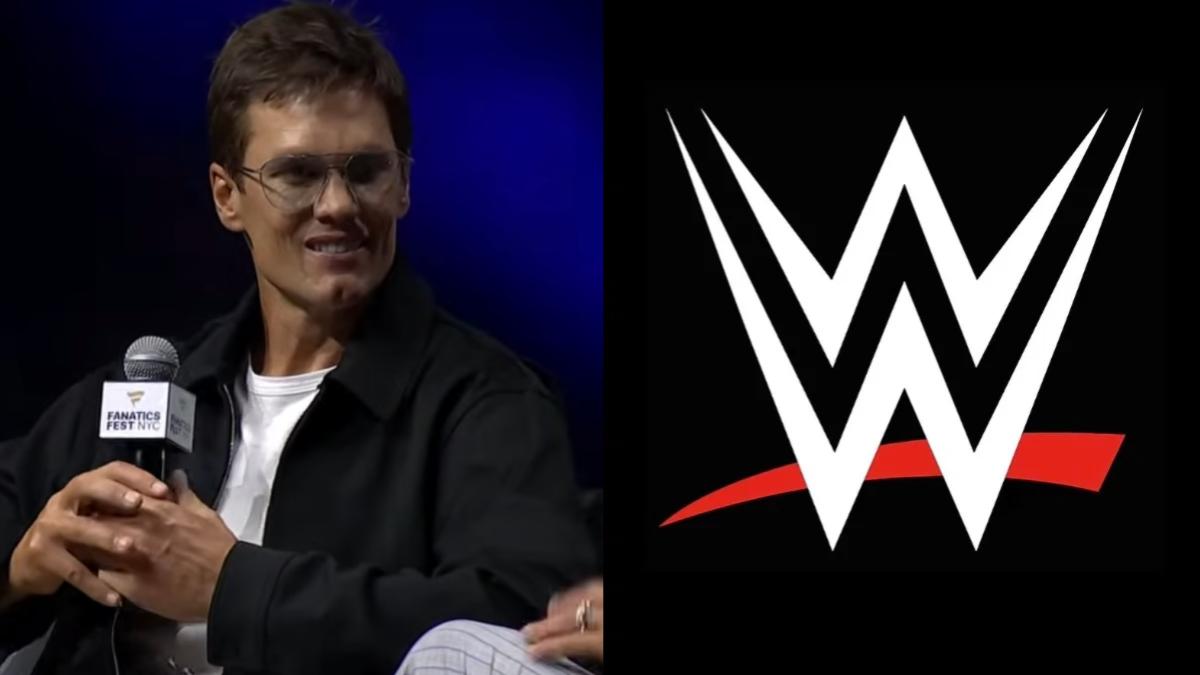
When WWE announced their return to Fanatics Fest NYC for the July 16-19 window, the move functioned as a clear marker of a data-driven retail expansion. The company is no longer relying solely on ticketed live events to drive engagement; they are optimizing for the 85% of fans who prioritize exclusive merchandise access over traditional ring-side seating. This focus on physical and digital collectibles has become the primary vehicle for growth following the 2023 consolidation of their retail division.
The transition from broadcast to point-of-sale
Analysis of event attendance in major urban markets indicates that floor traffic at convention-style gatherings like Fanatics Fest consistently yields a higher average order value than standard house shows. In 2025, consumer spending on event-exclusive merchandise rose by 22% compared to the previous fiscal year. This 22% increase demonstrates that the audience is shifting away from impulse purchases toward curated, limited-edition inventory controlled by Fanatics' distribution network.
Operational efficiency and the bottom line
Integrating these activations into high-density markets like New York allows for logistical compression. By hosting talent sessions and product launches in a singular, high-visibility hub, WWE reduces the overhead costs associated with mobile retail units by an estimated 14% per quarter. The decision to commit to a four-day duration in July suggests a confidence in market saturation that wasn't present prior to the 2024 merger. The strategy is to maximize the throughput of every superstar appearance, ensuring that the 15-minute window of fan interaction is tethered strictly to point-of-sale conversion metrics.
Why the numbers might deceive
While the move to Fanatics Fest NYC is numerically sound, it introduces a potential friction point for the traditional viewer. Data points from early 2026 suggest that internal satisfaction scores are dipping among fans who feel alienated by the pay-to-play nature of modern autograph sessions. When 60% of interaction time at major events becomes gated behind a transaction, the long-term brand loyalty figures—which have historically held steady at a 78% retention rate—risk a decline. The company is effectively trading accessibility for a 4% bump in quarterly retail realization, an exchange that may prove short-sighted if the conversion costs begin to cannibalize the core audience growth.