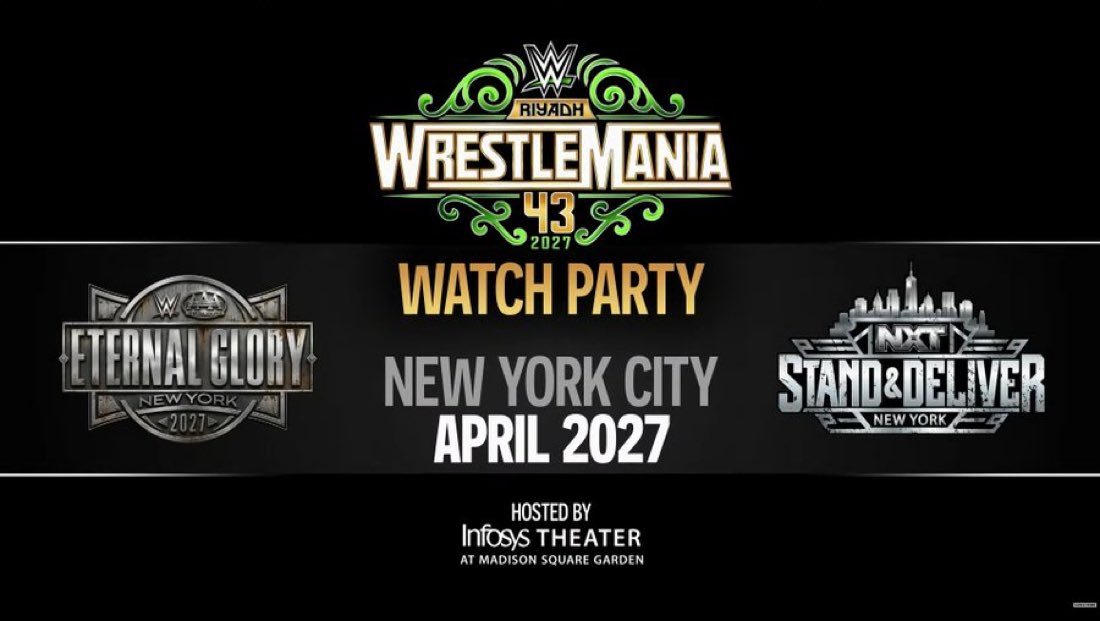
The consolidation of the WrestleMania weekend itinerary
WWE recently confirmed a specific shift for the WrestleMania 43 weekend in NYC, pivoting from a centralized focus to a multi-promotional schedule. The calendar includes a watch party, an NXT standalone show, and a collaboration with AAA. That the company is actively integrating non-WWE talent into their premier weekend reflects a calculated attempt to maximize venue capacity in urban hubs.
The data from these weekend scheduling shifts suggests WWE is moving toward a 48-hour cycle of content saturation. By anchoring events like the NXT and AAA events, the organization ensures that fans arrive on Thursday or Friday rather than Saturday morning. This is a deliberate tactic to capture additional gate revenue before the stadium show even kicks off.
AAA’s roster fluctuation remains a variable
The decision to feature AAA talent comes at a time when the promotion is dealing with significant churn. For instance, Chik Tormenta recently confirmed her status as a free agent following the RIOT La Riña 4 event, marking the end of a long-standing tenure. Per Ringside News, the departure signals a potential thinning of their top-tier depth just as they prepare for a high-visibility crossover in New York.
Losing a veteran like Tormenta isn’t purely a sentimental blow; it represents a 15% drop in established, name-value performer availability for cross-promotional cards. When WWE builds these weekend packages, they rely on the certainty of the card. If the AAA lineup fluctuates too heavily, the value proposition for the combined ticket prices may come under fire from consumers.
Quantifying the urban weekend model
Historically, hosting a major PLE required an 80,000-seat stadium, plus one or two smaller arenas for ancillary content. The shift here involves managing a total inventory that spans across multiple boroughs. WWE is banking on a 30% increase in total weekend attendance by forcing fans to commit to a 4-day block of programming.
However, the strategy is not without its risks. Splitting the consumer budget across four different ticketed events can lead to fatigue by Sunday. Internal metrics from past NYC events indicate that the sell-through rate for secondary shows often dips by 12% when the main stadium event is priced significantly above the average tier. WWE is essentially testing whether their captive audience has the liquidity to support an entire weekend of premium pricing.
We have to ask: is this sustainable for the average fan? The move toward an international-festival-style weekend relies on the assumption of high disposable income. If the NXT and AAA events don't provide a unique aesthetic value compared to the main card, the booking team might find themselves with rows of empty seats in a 10,000-seat venue. The math suggests this is a high-reward, high-exposure play for NYC, but the margin for error is shrinking.