The Post-Mania Purge has arrived
WrestleMania 41 is in the rearview mirror, the confetti has been swept out of Allegiant Stadium, and John Cena has officially started the long goodbye. But while the fans are still recovering from the emotional whiplash of Cody Rhodes defending the gold on April 20, 2026, the WWE front office is busy with a different kind of cleanup. They are finally taking a scalpel to the factions that have spent the last year clogging up the Tuesday and Friday night airwaves.
For the better part of two years, it felt like you couldn't walk to the catering table in the back without tripping over a four-man stable with a generic name and a color-coordinated tracksuit. Triple H loves a good group—it’s the NXT DNA bleeding into the main roster. But as WrestleTalk recently noted, the trend of dissension is reaching a boiling point. We are seeing a mass exodus of members who are either being kicked out for being dead weight or jumping ship before the Titanic hits the iceberg.
It is about time. Pro wrestling factions are like boy bands; eventually, Justin Timberlake needs to ditch the frosted tips and the four guys whose names nobody remembers to actually become a star. WWE has spent too long keeping mediocre talents tethered to top-tier names, hoping some of that main-event magic would rub off via osmosis. Spoiler alert: it rarely does.
The Bloodline's endless internal civil war
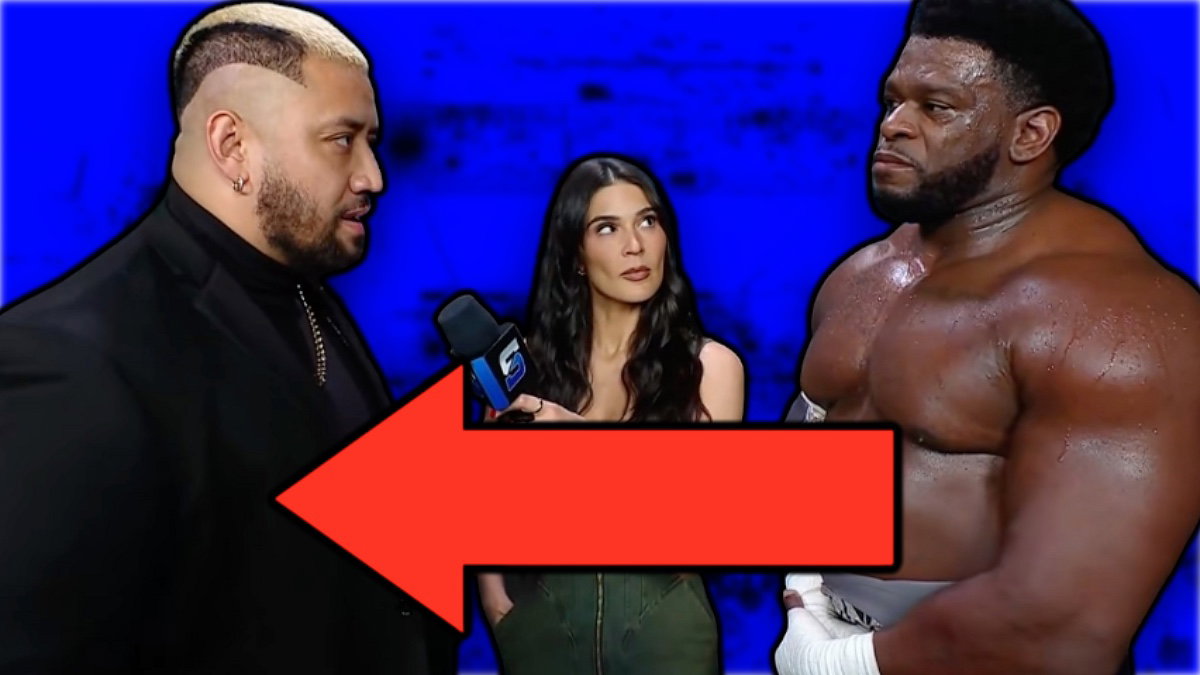
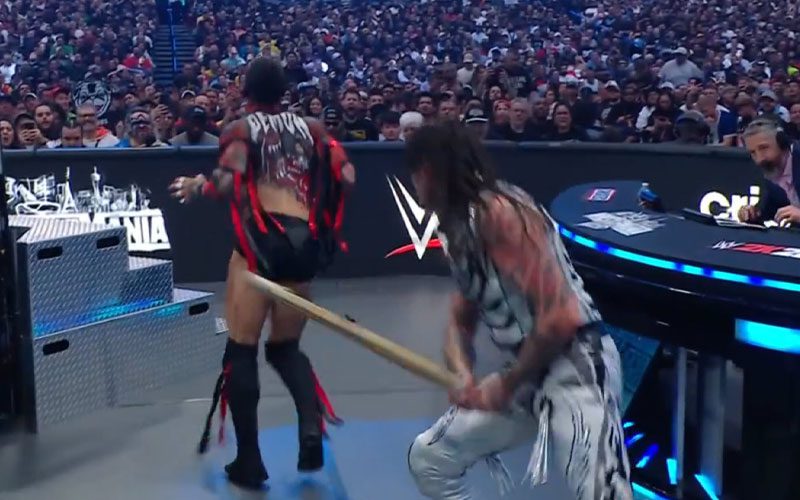
We have to talk about the Bloodline because, frankly, they still occupy about 40 percent of every SmackDown script. Following the chaotic events in Las Vegas, the hierarchy is a total disaster. Solo Sikoa has spent the last few months trying to play the role of the feared Enforcer-turned-Tribal-Chief, but the cracks are wider than the Grand Canyon. The removal of certain members isn't just a booking choice; it's a necessity because the group was starting to look like a cluttered garage.
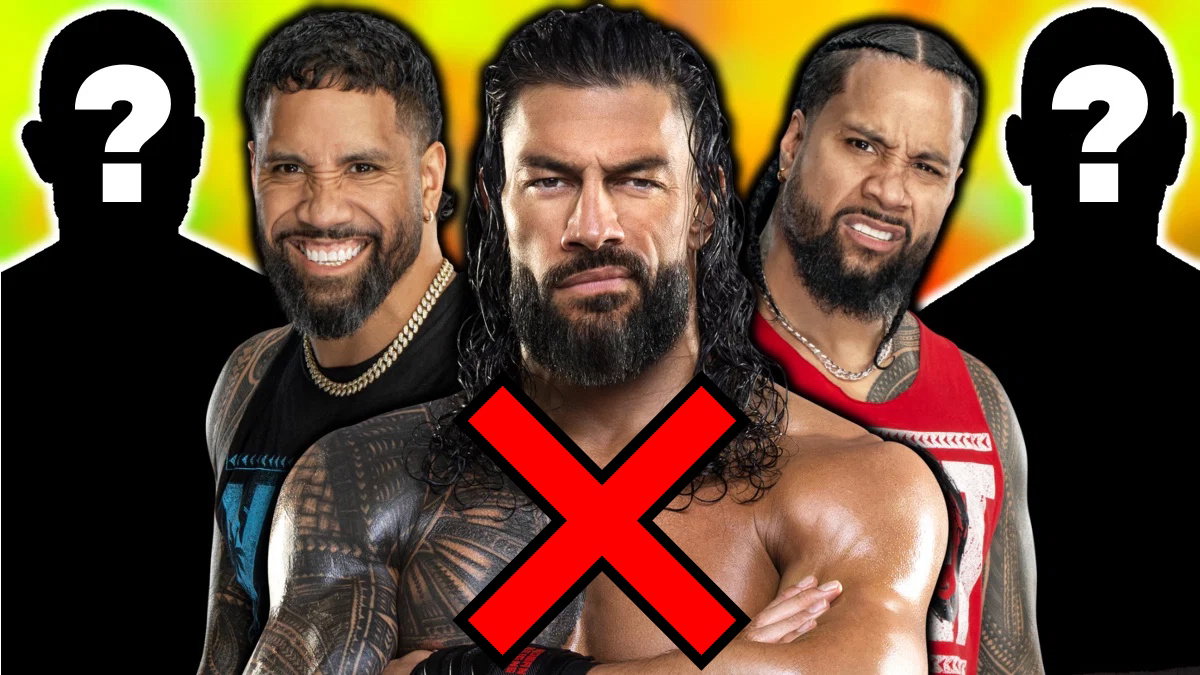
When you have a group that dominated for a three-year stretch, every addition feels like a dilution of the original product. The recent removal of secondary members—the guys brought in just to take the pin in six-man tags—is a clear signal. WWE is trying to lean the group down for the inevitable return of the real Head of the Table. You can’t have a high-stakes family drama if the stage is crowded with third cousins twice removed who can’t cut a promo to save their lives.
The move to strip away the hangers-on is the right call, but it also exposes the glaring flaw in the current Bloodline story: without Roman Reigns as the sun, the rest of these planets are just floating aimlessly in the dark. Solo is a heavy hitter, but watching him try to command the same presence as Roman is like watching a high school cover band try to play Wembley. It’s fine for a Friday night in a gym, but it doesn't belong at the top of the card for a 20-minute opening segment.
Judgement Day's identity crisis
Then there is Judgement Day, a faction that has survived longer than most marriages in the wrestling business. For a while, they were the most entertaining thing on Raw, a bunch of Goth theater kids who actually knew how to fight. But the recent trend of "stars being removed" has hit them the hardest. It started with the subtle freezing out of JD McDonagh, who has spent the last year being the group's literal and figurative punching bag.
The problem with Judgement Day in 2026 is that they’ve become too likable. You can't be a terrifying cabal of heels when the crowd is singing along to your entrance theme and buying your purple t-shirts in bulk. By removing the members who were causing the most "dissension," as reported, WWE is trying to pivot them back into a serious threat. But removing the internal conflict actually makes them less interesting. The best part of Judgement Day was the constant feeling that they were one bad look away from stabbing each other in the back.
Without that tension, they’re just another group of talented wrestlers in matching gear. Rhea Ripley is a global superstar who doesn't need a entourage, and Damian Priest has proven he can carry the world title load. Keeping them tethered to a dying faction is a waste of their prime years. If WWE doesn't pull the trigger on a full dissolution soon, they risk turning their hottest act into a legacy act before they even hit thirty-five.
The mid-card shuffle and the LWO problem
If you want to see where the faction obsession really goes off the rails, look no further than the LWO and Legado Del Fantasma. These groups have been feuding for what feels like a decade. It’s the same three matches on a loop: a singles match, a tag match, and a chaotic brawl where everyone runs in at the end. By finally removing members and letting people like Santos Escobar stand on their own, WWE might actually save these careers from the purgatory of the 8:15 PM time slot.
The LWO, in particular, has become a dumping ground for every Latin American wrestler who doesn't have a current storyline. It’s lazy booking. Putting a mask on someone and telling them to shout "Viva La Raza" is not a character. The recent reports of stars looking to stand on their own are the most encouraging things I’ve heard in months. Let Dragon Lee fly without being anchored to a group that exists primarily to sell masks to kids in the front row.
The critical failure here is the lack of stakes. When a faction member gets kicked out of the Bloodline, it feels like a tragedy. When someone gets kicked out of the LWO, it feels like they just changed their LinkedIn status. WWE needs to realize that for a faction to matter, the membership has to be exclusive. If everyone is in a group, then nobody is special.
The gamble of the 2026 roster
We are only 9 days away from WWE Backlash 2026, and the card is heavily reliant on these faction breakups to drive the ticket sales. It’s a risky strategy. If you break up all the groups at once, you’re left with a roster of fifty lone wolves all barking for the same three minutes of promo time. Triple H is betting that the individual parts are worth more than the sum of their groups, but history suggests otherwise.
Look at the history of the Shield. That worked because each member had a distinct, defined path the second the chair hit Roman’s back. But for every Shield, there are ten Retributions or Nexus-style groups that just faded into the background once the shirts stopped selling. The current crop of wrestlers being "removed" aren't all future world champions. Most of them are just going to realize that the grass isn't greener on the other side of the faction—it’s just lonelier.
The biggest worry is the creative vacuum. Factions are a great way to hide a wrestler's weaknesses. If you can't talk, you have a manager. If you can't sell, you have a tag partner to take the heat. Once you’re out on your own, there’s nowhere to hide. We’re about to find out who in the 2026 locker room actually has the chops to survive without a three-man buffer between them and the audience.
"There are several different WWE factions that have experienced some dissension in their ranks as of late," according to the report.
That dissension is the only thing keeping some of these shows alive right now. Conflict is the engine of professional wrestling, but it has to lead somewhere. If the "removal" of these stars is just a way to cycle in new talent from NXT, then we’re just trading one set of problems for another. WWE needs to stop using factions as a crutch for bad creative and start using them as a springboard for real stars.
Final thoughts on the great purge
At the end of the day, the 80,000 fans who packed the stadium for WrestleMania didn't come to see a faction meeting. They came to see individual icons. The shift toward smaller, tighter groups—or no groups at all—is a return to the fundamentals that made the business great in the first place. You don't need a gang if you’re a killer.
I'm tired of the synchronized poses. I'm tired of the "all for one" promos that everyone knows are a lie. Give me the ego. Give me the betrayal. Give me the star who thinks they’re better than the group, because in most cases, they probably are. The next few months leading into the summer will be the ultimate litmus test for the Triple H era. If he can turn these cast-offs into compelling solo acts, he’s a genius. If they all end up in the battle royal on the Backlash pre-show, we’ll know the faction obsession was just a way to hide the fact that the roster isn't as deep as we thought.
The era of the bloated stable is dying, and honestly, I'm ready to dance on its grave. Let the survivors fight it out and let the dead weight find a new career path. Wrestling is at its best when it feels like a shark tank, not a social club. It’s time to see who can actually swim.