The threshold of decency once again lies in ruins
We spent decades pretending the wrestling business was just a wild, lawless territory where guys settled scores in the ring. We looked the other way during the steroid trials of the nineties. We ignored the questionable booking that treated careers like disposable tissues.
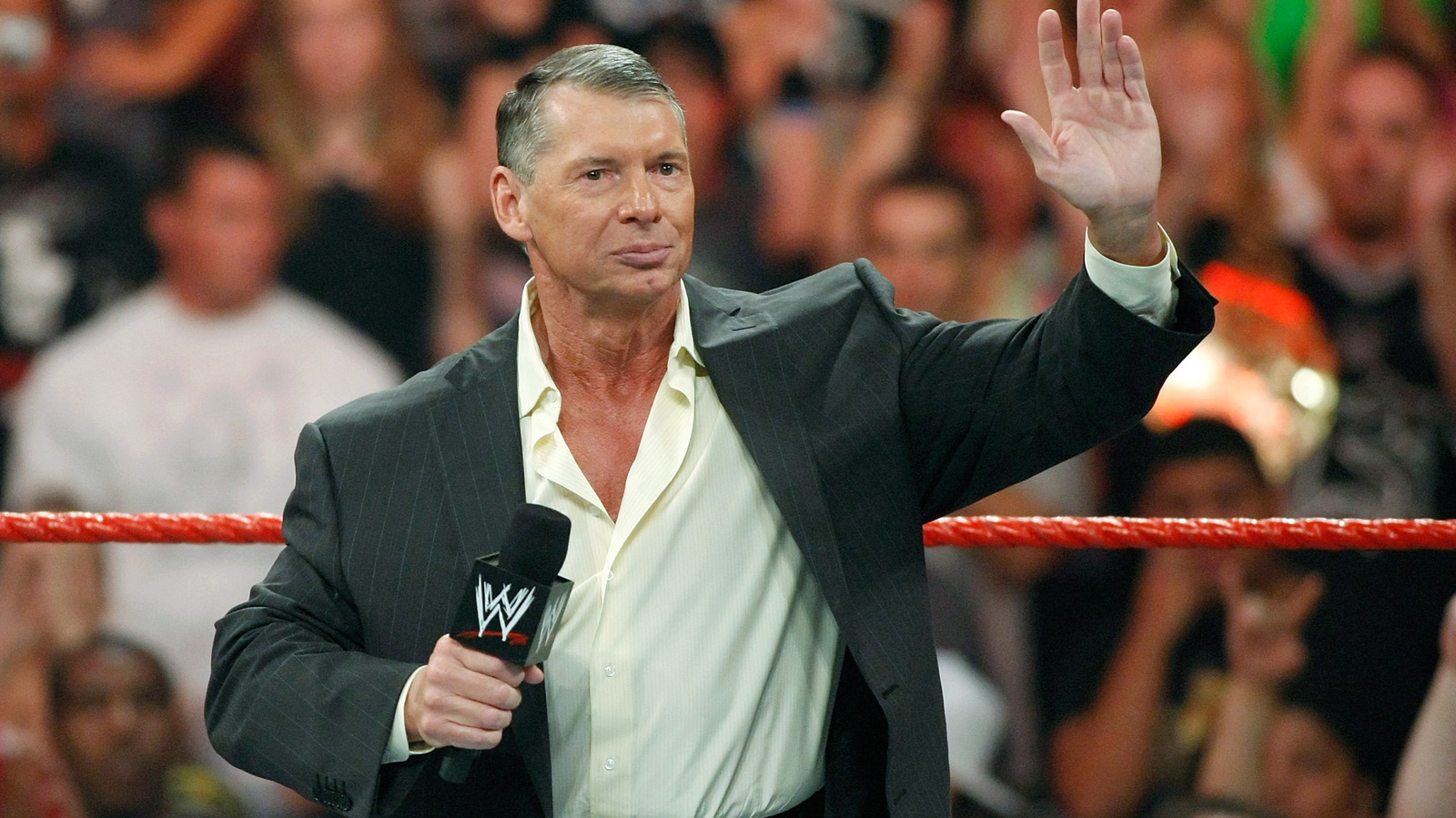
But the recent revelations regarding Vince McMahon are not about booking. They are not about failing to push a fan-favorite like Cesaro or cutting a microphone during a promo. They involve language that has no place in any office, let alone the locker room of a billion-dollar public company.
A WWE legend recently went on record stating they were totally disgusted when Vince McMahon used the N-word in their presence. This isn't a vague allegation from a disgruntled former employee looking for a payday. It is a direct account of a moment that highlights the rotten core of the corporate culture McMahon cultivated for forty years.
The complicity of the locker room
For years, the industry operated on a code of silence. If you wanted that big check from WWE, you kept your mouth shut about whatever madness happened behind the curtain. You took your spot, you hit your finish, and you sat in catering until you were told to go home.
This silence protected bad behavior under the guise of loyalty. When someone with the absolute power of a promoter talks down to their talent using offensive slurs, it shifts the environment from professional to toxic. It turns the locker room into a space where dignity is sacrificed for a paycheck.
People like to point to the success of WrestleMania 41 in a few weeks as a sign that the product has successfully moved on, but that is a fallacy. We are watching the transition of an organization that hasn't scrubbed its foundation. It has just painted over the mold and put up a fresh sign.
The cost of doing business
Some fans argue that the past is the past. They want to focus on the spots, the main events, and the upcoming card at the end of April. They want to ignore that the person who built this massive entertainment monolith allegedly viewed talent through such a discriminatory lens.
But you cannot separate the art from the owner when the influence is this pervasive. When you learn that your hero was hiding this level of ignorance, it ruins the suspension of disbelief. It changes how you watch a segment at 10:30 PM when you realize the person running the show might have been hurling slurs in the hallway.
The industry needs to stop treating McMahon like a tragic king who simply lost his way. He was the one standing on the throne, setting the standards for how personnel were treated. He didn't just participate in a toxic culture; he was the primary architect of the blueprint.
Is the ring still the sanctuary?
WrestleMania 41 is shaping up to be a logistical masterpiece, but it exists in the shadow of these admissions. The talent is working harder than ever, trying to put on clinics that make us forget the boardroom rot. Yet, the rot keeps seeping into the headlines.
We are less than three weeks away from the big show in April. The focus should be on blood feuds, ladder matches, and the inevitable return of fan favorites. Instead, the conversation keeps circling back to the inherent ugliness of the man who sold the rights.
If we continue to let these things slide because we want our wrestling fix, we are just as complicit as the guys who kept their heads down in the nineties. It is okay to love the athleticism while hating the history. Just don't convince yourselves that this behavior was some kind of necessary evil to make the business run. It was just an evil.
Read Next