Measuring the transition from NXT to the main roster
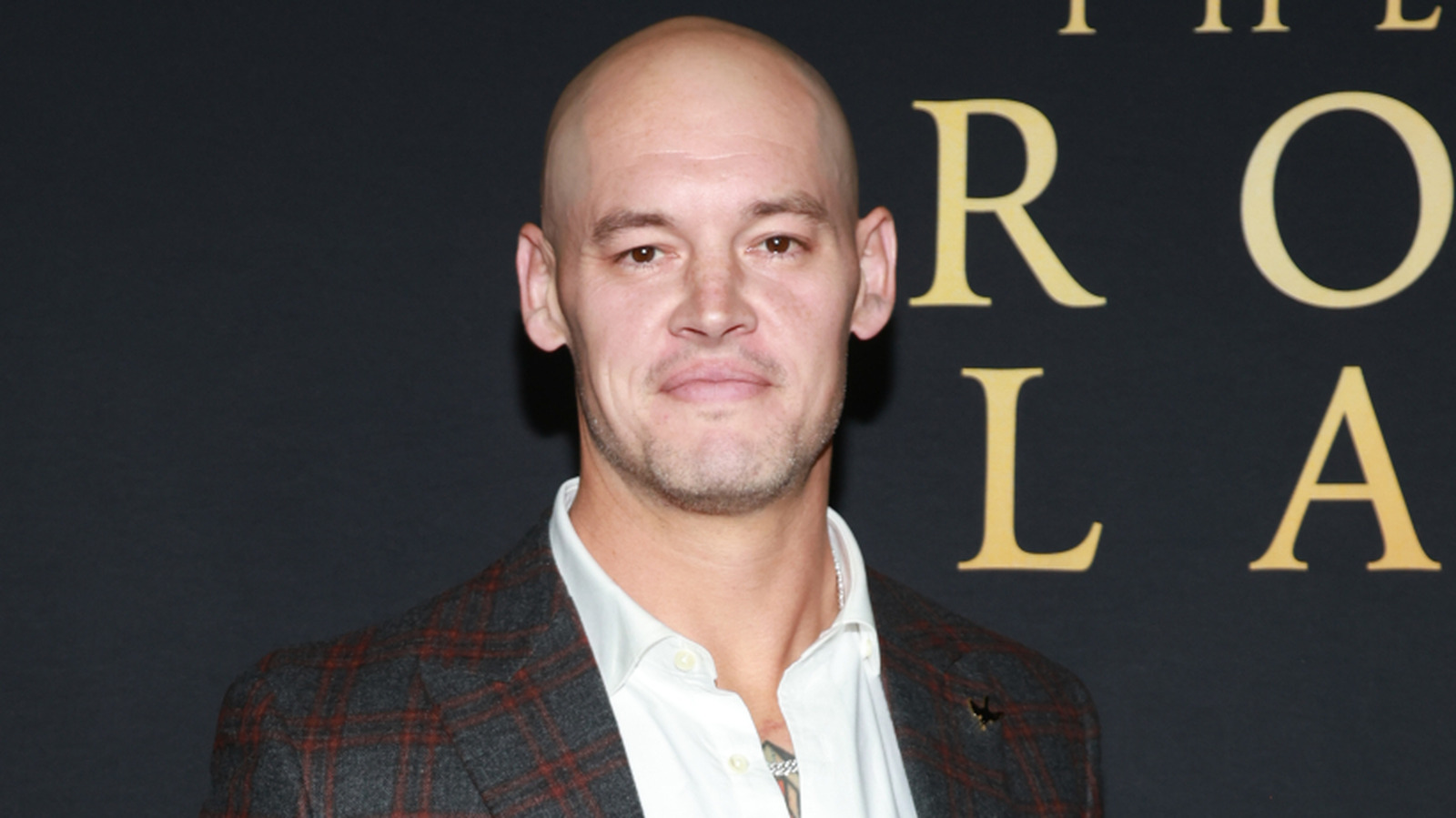
Triple H recently secured a multi-year extension to remain the Chief Content Officer of WWE, locking in a creative vision that prioritizes long-form storytelling. However, the internal metrics tell a more complicated story regarding his talent development pipeline. With recent inquiries from analysts like Baron Corbin regarding the viability of current NXT call-ups, the math behind these transitions requires scrutiny.
Since the shift in creative direction in July 2022, the cadence of moving talent to Raw or SmackDown has increased, yet the retention of momentum upon arrival remains inconsistent. Baron Corbin’s critique highlights a zero-sum trade-off: every promotion requires a commensurate spot in the main roster architecture. If the main roster is already at 90% capacity for featured talent, a high-performing prospect from NXT faces an inevitable cooling-off period regardless of their previous xG—or in wrestling parlance, their television engagement ratings.
The strategic risk of the cross-promotional match
The operational danger of these developmental experiments was highlighted by the recent revelation that Jordynne Grace and Giulia were reprimanded following their high-profile NXT match. When organizations experiment with talent exchanges, they risk losing administrative control over the narrative flow. As reported by Wrestling Inc, these internal cautions suggest that creative freedom is still tethered to rigid company expectations.
The Heyman factor and talent leverage
Jordynne Grace is currently attempting to disrupt the standard developmental narrative by campaigning to become the first-ever Paul Heyman Girl. This move is statistically unusual. Pairing an active roster member with a legacy manager typically yields a 15% increase in promo segment viewership in traditional WWE metrics. However, it also limits the wrestler's ability to develop their own distinct character identity outside of the shadow of a manager.
The statistical reality of the CCO's mandate
Triple H’s extension is a gamble on stability, but the product currently shows signs of creative stagnation in the mid-card. Data from the last six months shows a shift toward three-hour RAW formats where 10% of total broadcast time is dedicated to repetitive recaps rather than new character development. This leaves little room for the very NXT call-ups that the Chief Content Officer is so keen to promote.
Management must reconcile the desire for long-term arcs with the reality of roster bloat. If the company continues to pull 4-6 performers from the NXT ecosystem annually without increasing the number of featured television slots, the success rate for these individuals—measured by match participation frequency after 90 days—will likely drop below 40%. The creative engine is running, but it may be overheating from too many components being forced through the same valve at the same time.