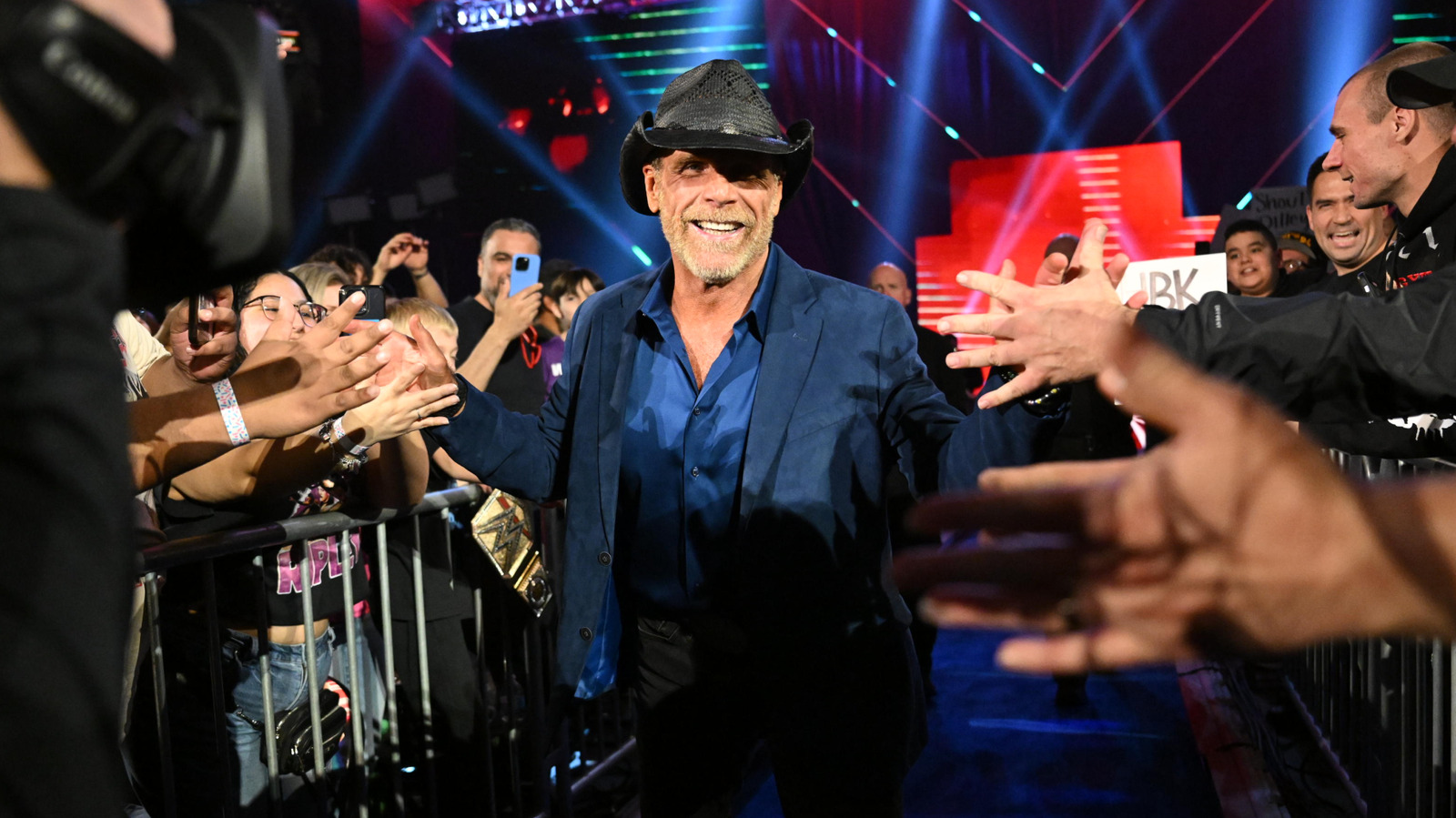
NXT call-ups are losing their luster on the Raw after WrestleMania
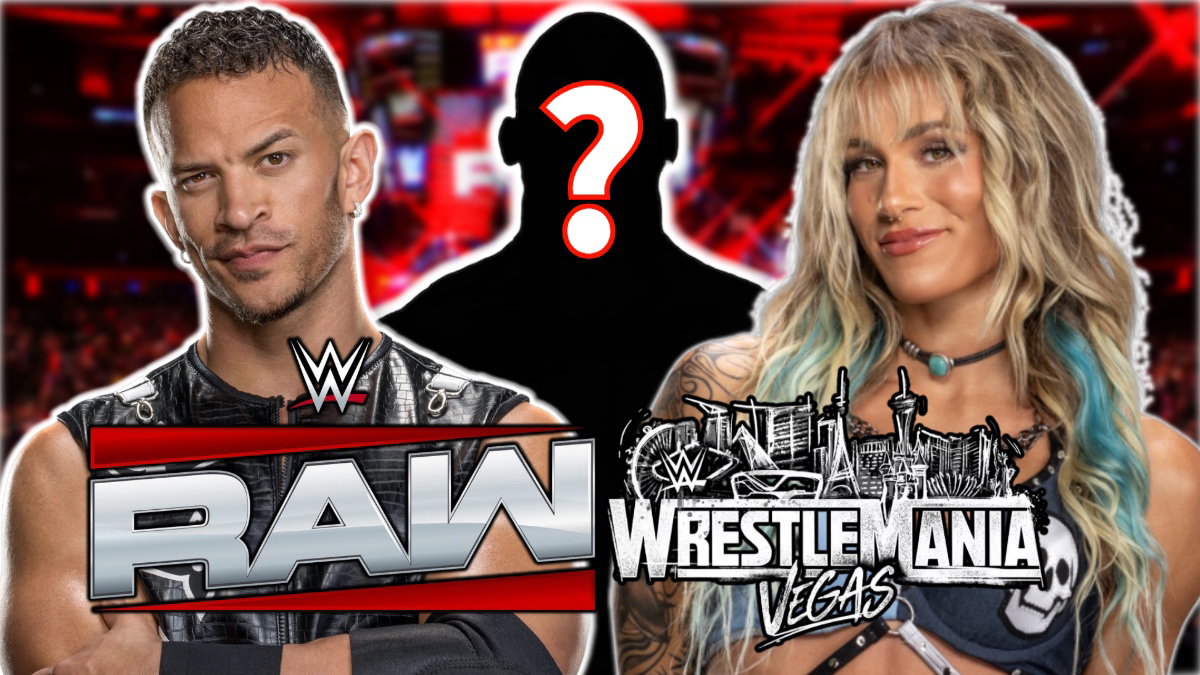
The diminishing returns of the post-Mania pop
The Raw after WrestleMania has historically functioned as the most reliable thermometer for WWE’s creative temperature. For years, the night was defined by the arrival of fresh talent, signaling a reset for the main roster. When Paige debuted in 2014 to dethrone AJ Lee, the crowd reaction was electric because it felt like a genuine shift in power.
However, the modern version of this tradition has grown stale. The surprise factor is dead, buried under a mountain of social media spoilers and the predictable cycles of the developmental brand. Bringing up a batch of NXT stars to face a mid-card veteran in a generic three-minute match isn't a launchpad anymore; it is a waiting room.
Why the pipeline is clogging
The core issue lies in the lack of clear creative direction for these incoming prospects. Look at the history of call-ups from the last few years; many are left to drift in catering within weeks of their televised arrival. When a performer arrives with the fanfare of a pyro display but lacks a compelling narrative hook, the audience quickly loses interest.
The developmental system is currently producing highly polished athletes who can execute complex sequences, but they often lack the distinct character work required for the main stage. A sequence of Canadian Destroyers and dives to the floor might impress the hardcore fans, but it fails to connect with a broader audience. If a performer cannot articulate who they are beyond their move set, they are destined to become background noise in the mid-card.
The booking disconnect
Triple H has leaned heavily into the NXT-to-Raw pipeline, yet the transition remains jarring. The pacing on Raw is vastly different from the tighter, more focused presentation of the developmental brand. NXT allows for long-form storytelling and character development over months, while the main roster demands immediate, high-impact engagement.
We see this disconnect play out in the ring constantly. A performer who dominated in the Performance Center suddenly finds themselves losing clean to a veteran in a 4-minute sprint. This booking choice devalues the investment fans made in that character’s journey through the developmental ranks. As WrestleTalk noted regarding the history of these call-ups, the expectation of immediate success is often at odds with the reality of a bloated main roster.
The need for a radical shift
WWE must stop treating the Raw after WrestleMania as a mandatory showcase for every champion currently holding gold in Orlando. Quantity has replaced quality in these segments. Instead of a mass migration of talent, the company should focus on one or two high-impact debuts that actually have a creative home waiting for them.
If a wrestler isn't part of a planned angle that spans at least the next three months, they should stay in NXT. There is no shame in being the king of the developmental mountain if the alternative is being a nameless face in the Raw locker room. The current strategy of throwing bodies at the wall to see what sticks only serves to dilute the prestige of the main roster.
The company also relies too heavily on the shock value of a debut to mask deeper issues with the show’s structure. A new face cannot save a three-hour broadcast from repetitive booking tropes and stagnant character arcs. Until the creative team prioritizes long-term character investment over the fleeting excitement of a surprise arrival, the post-Mania call-up will continue to feel like a procedural formality rather than a momentous event.
Read Next
- Ricky Saints is playing a dangerous game with his NXT career
- Trick Williams and Ethan Page are heading for a violent collision at Stand & Deliver
- NXT and AEW are still stuck in the shadow of the Wednesday Night Wars
- Roman Reigns and Brock Lesnar were the greatest long-term grind in wrestling
- 🏆 WrestleMania 41 — Full Coverage Hub
Title WWE Kids Championship Belt
An affordable way to hold the gold and live out your own championship entrance.
Frequently Asked Questions
Why is the Raw after WrestleMania call-up tradition losing its impact?
What is the main problem with how NXT stars are booked on the main roster?
How does the main roster environment differ from the NXT experience?
What should WWE change about the post-WrestleMania debut process?
Why do highly skilled NXT athletes struggle to connect with the main audience?
More Coverage

Bayley finds herself at a career-defining crossroads
34 minutes ago
Dustin Rhodes is waiting for his final act
37 minutes agoWWE’s SummerSlam kickoff hype is drowning in a sea of corporate polish
2 hours agoOn This Day in Wrestling: July 20
3 hours ago
John Cena’s final act is becoming a masterclass in nostalgia
4 hours ago
Is Tommaso Ciampa eyeing an AEW jump after the Jericho feud?
4 hours agoMore Analysis
WWE's reported summer call-ups are walking into a massive booking trap
2 months ago
NXT is losing its developmental edge in the quest for main roster pop
1 month ago
NXT needs to stop acting like a waiting room for the main roster
3 months, 1 week agoNXT needs to change the channel on its viewership slide
3 months, 1 week ago
Main roster calls might kill the momentum of NXT's best
3 weeks, 5 days ago