The Quiet Reality of Walking Away
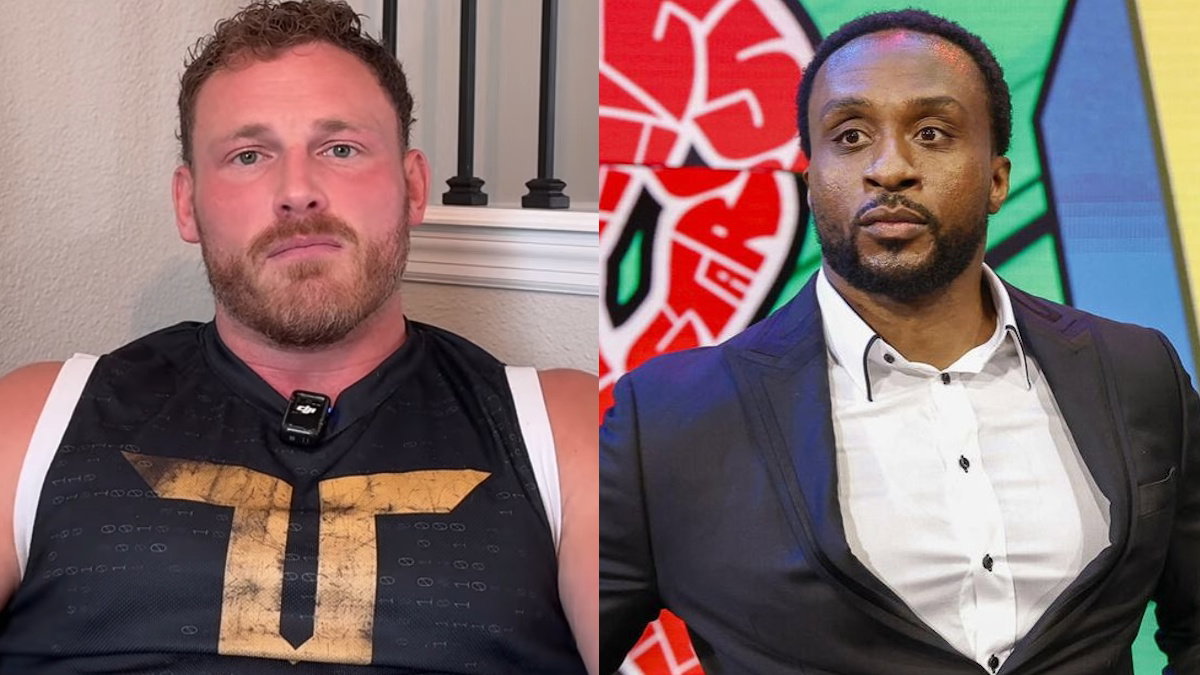
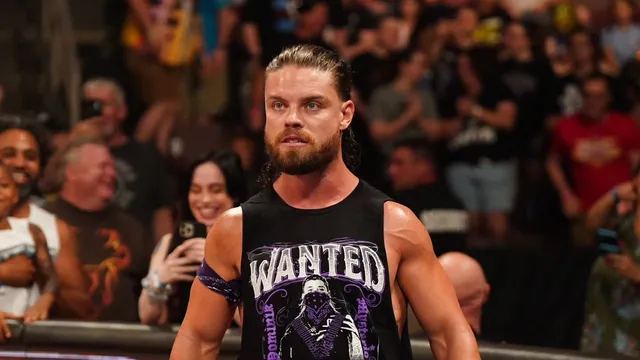
The news dropped quietly, as these things often do in this business. A recently released WWE star has officially announced their retirement from professional wrestling, according to F4WOnline. There was no farewell tour, no emotional speech in the middle of the ring, and no video package highlighting their greatest bumps.
It is just a quiet exit from an industry that demands everything from the human body. As someone who covers the medical and physical toll of professional wrestling, this headline is all too familiar. Fans and analysts spend so much time dissecting the immediate injuries — the torn ACLs, the separated shoulders, the orbital bone fractures.
Consequently, the cumulative damage gets ignored. The slow, grinding reality of taking flat back bumps multiple days a week inevitably leads to days like today. It is a stark reminder of the finite nature of a wrestler's bump card.
Every athlete working in the squared circle knows they are operating on borrowed time. Just this week, F4WOnline also reported that current WWE roster member JD McDonagh is already discussing the roles he would like to pursue after his in-ring career ends.
McDonagh is a prime-age athlete. He is currently featured prominently on WWE television alongside Judgment Day. Yet, his mind is already focused on an exit strategy. This isn't pessimism. It is basic medical realism.
Modern wrestlers are far more educated about the long-term effects of their profession than previous generations. They understand that the cartilage in their knees and the discs in their lower backs have strict expiration dates.
Planning for the Inevitable Decline
When you look at the physical mechanics of professional wrestling, the human body is simply not designed to absorb this kind of punishment indefinitely. A standard suplex generates enough force to rattle the cervical spine. This creates micro-traumas that accumulate over a decade of active competition.
Fans talk about 'ring rust' when someone takes a few months off. We rarely talk about 'ring rot' — the steady, unavoidable deterioration of joint health and spinal integrity. McDonagh's foresight to plan for a post-wrestling career is a direct response to this physical reality.
He sees the veterans walking through the locker room with ice packs taped to their joints. He knows the bill comes due eventually. Whether he transitions into coaching, producing, or commentary, securing a spot that doesn't require taking a 200-pound man's weight on his chest is a smart play.
The body is used to operating in a state of high cortisol and adrenaline. The sudden stop of retirement often leads to rapid muscle atrophy. It unmasks chronic pain that was previously suppressed by the sheer momentum of the travel schedule.
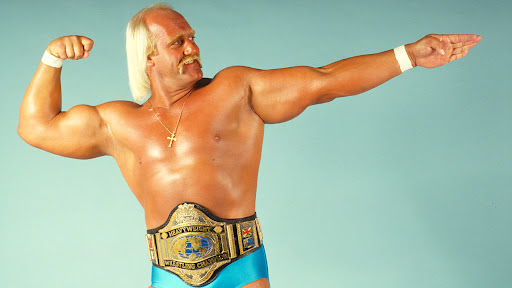
This makes the other news of the week incredibly jarring. According to a separate report from F4WOnline, the son of Hulk Hogan is looking to get into the business.
Nick Hogan stated he would "absolutely welcome" the opportunity to pursue a wrestling career.
It is a fascinating juxtaposition. You have a recently released talent walking away from the ring entirely. You have an active, featured star in McDonagh planning his post-physical career. And on the other hand, you have someone actively trying to enter the meat grinder.
The Failing in the Modern System
Nick Hogan is not a young kid anymore. Attempting to start a bump-taking career at his stage requires a brutal physical conditioning phase. The conditioning required to just survive the early stages of wrestling school is notorious for weeding out phenomenal athletes.
The cardiovascular demands are intense. But it is the skeletal impact conditioning that truly breaks people. Starting late means his body has not adapted to the specific traumas of wrestling during its most resilient years. If he does pursue this, his medical team will have to build a training regimen focused heavily on neck strengthening and joint stability just to survive the basics.
Let's look at the historical context of these retirements. The wrestling industry has a dark history of talent working through catastrophic injuries because there was no backup plan. Guys in the 1980s and 1990s rarely had post-retirement roles lined up. They worked until their bodies physically gave out.
They often relied on heavy painkillers to mask the structural damage just to make the next town. We saw the tragic results of that era play out in obituaries and early mortality rates. The shift in mindset, exemplified by McDonagh's proactive planning, shows a healthier psychological approach to a physically destructive job.
But the industry still struggles heavily with the transition out of the ring. This brings us to a major failing in the current business model. When a released WWE star retires, they do not get a pension. They do not get lifelong medical care for the injuries sustained while under contract.
The Final Toll of the Squared Circle
They are left to manage their degenerative joint issues and neurological risks entirely on their own. WWE provides excellent medical care for its active roster. Their current concussion protocols are lightyears ahead of where they were two decades ago. But once that release paper is signed, the medical safety net vanishes immediately.
The talent who just announced their retirement will have to navigate their physical recovery without the WWE medical staff. This is exactly where the independent circuit becomes dangerous for released wrestlers. Talent let go from major promotions often try to squeeze out a few more years on the indies to make a living.
They work in rings with less give. They perform without ringside doctors. They push damaged bodies past the breaking point just to sell a few t-shirts. The fact that this recently released star chose to retire outright instead of hitting the indie circuit might be the smartest medical decision of their life.
Consider the spinal compression inherent in the style. Every top-rope move, every powerbomb, and every heavy landing compresses the vertebrae. Over time, this leads directly to spinal stenosis.
That narrowing of the spinal canal puts severe pressure on the nerves. It is the exact condition that forced Edge into his initial nine-year retirement back in 2011. It is exactly what ended Stone Cold Steve Austin's full-time run in 2003. The medical advancements that allowed Edge to eventually return are miraculous. But they are the absolute exception, not the rule.
For the vast majority of professional wrestlers, when the doctor looks at the MRI and says it is over, it is truly over. McDonagh clearly understands this grim reality. His expressed desire to find a role outside the ropes shows a tactical awareness of his own physical longevity.
The WWE Performance Center has become a fantastic landing spot for many retired workers, transitioning them into valuable coaching roles. This allows them to stay in the business without taking the physical damage. But those spots are highly limited. Not everyone gets to be a producer or a coach in Orlando.
Most released talent have to find a completely new path in life, often while managing chronic pain. Nick Hogan's desire to enter this world highlights the seductive nature of the family business. The roar of the crowd and the legacy of his father's career clearly hold a powerful draw.
But that draw often blinds newcomers to the severe physical cost. Ultimately, the news cycle this week provides a perfect, grim snapshot of the wrestling lifecycle. You have the eager entry of a legacy name, the pragmatic planning of a current star, and the quiet exit of a broken body.
As a medical observer, I can only hope the retired star finds physical peace outside the ring. The human body is highly resilient. But the professional wrestling ring remains undefeated.