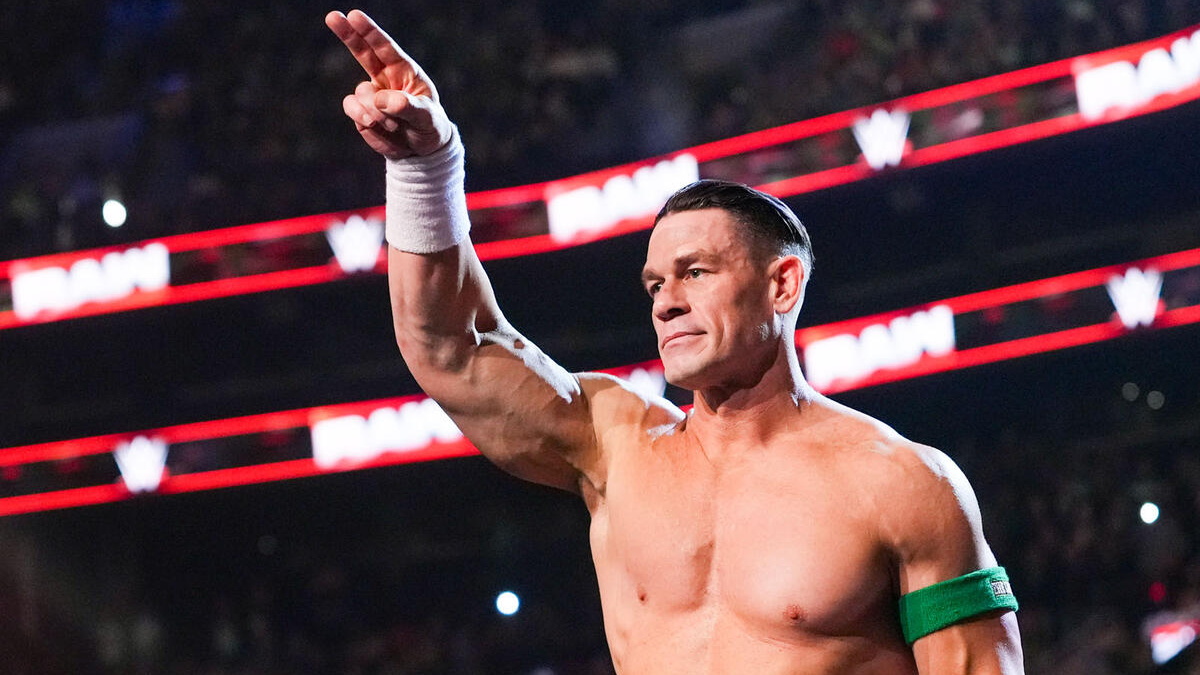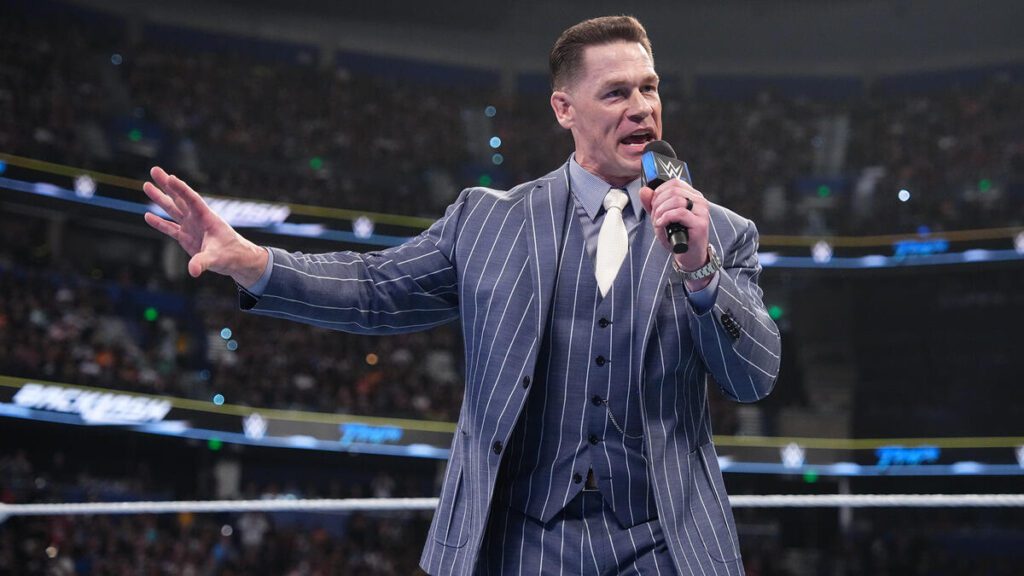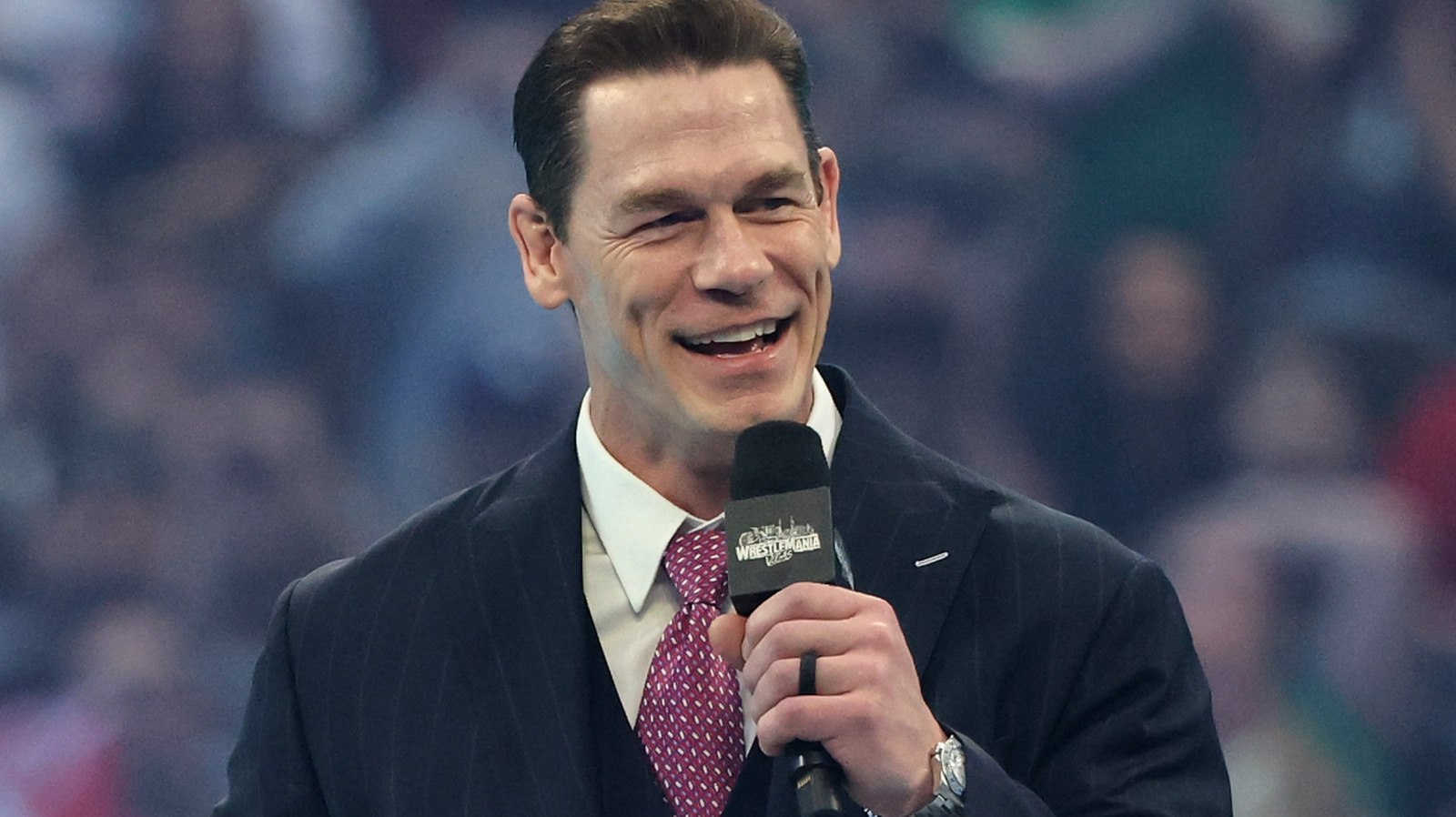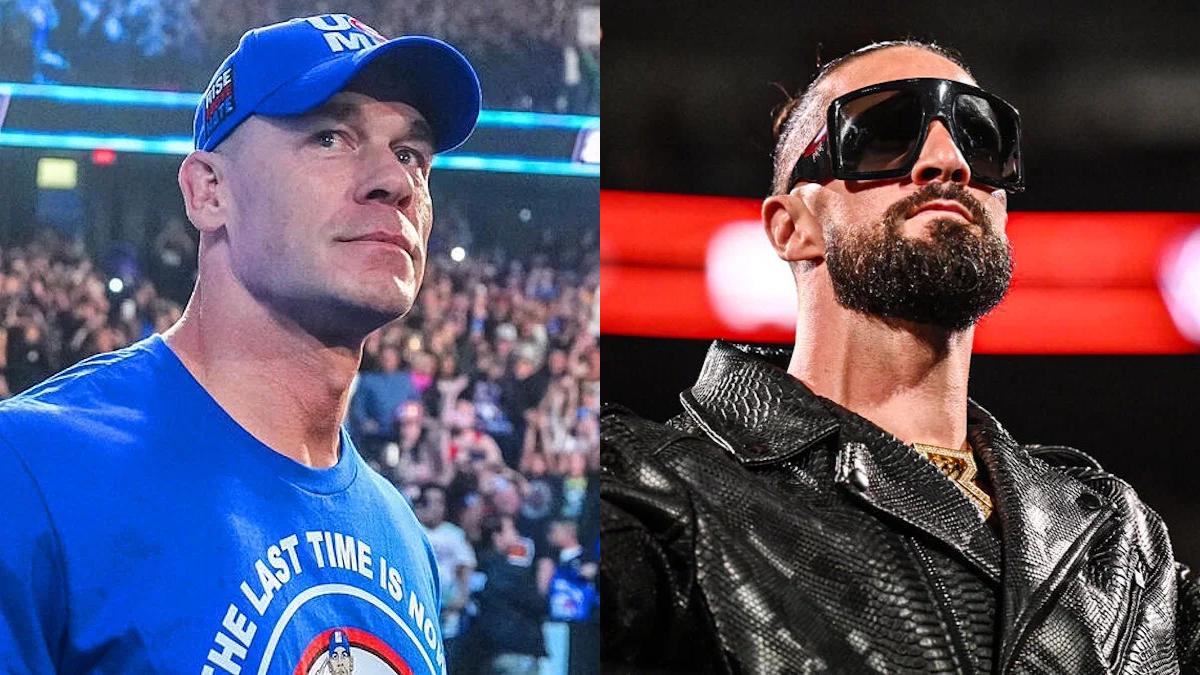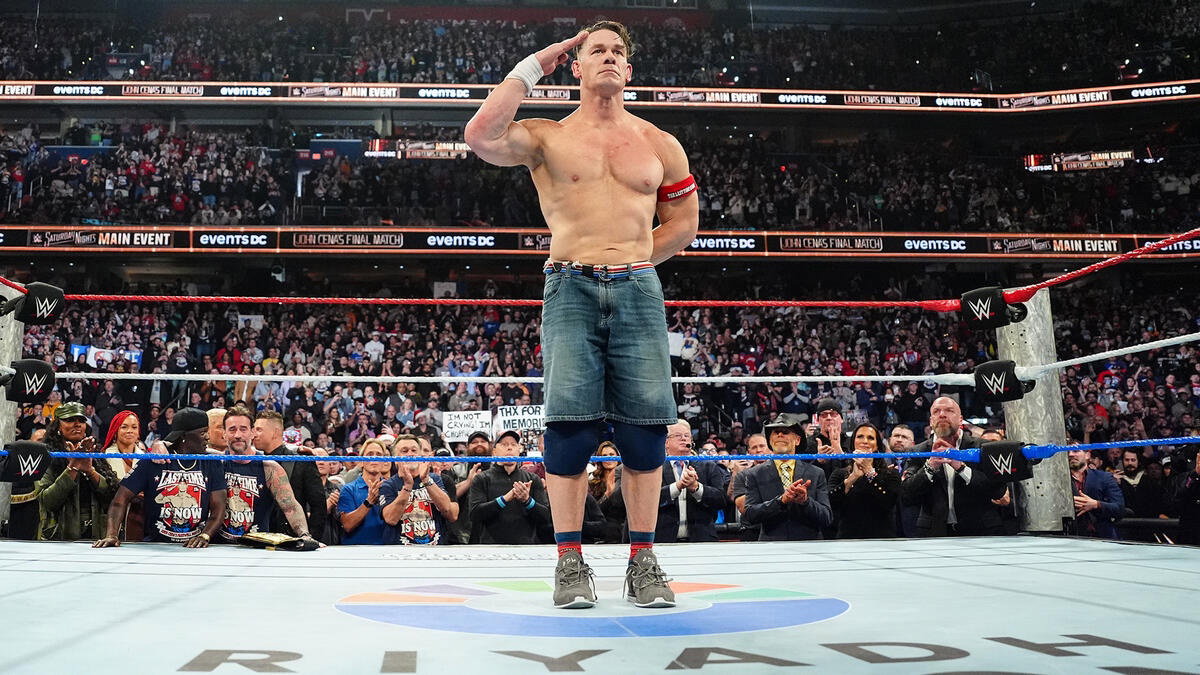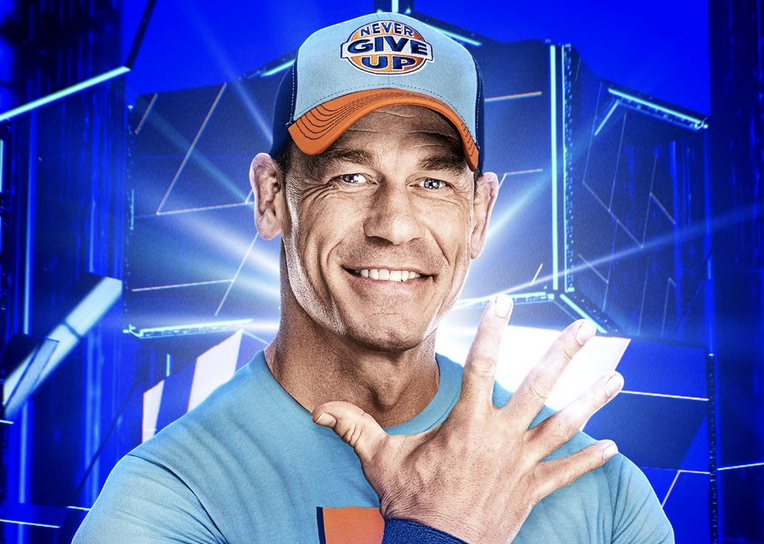
John Cena has drawn a definitive line in the sand regarding his retired life: there will be absolutely no physical contact, no bumps, and no action in a WWE ring ever again.
The 16-time world champion is enforcing a strict "no fall downs" policy to protect his body. His active in-ring career officially ended last December at Saturday Night's Main Event, where he lost to Gunther.
According to PWTorch, Cena has enjoyed his retirement since that match. He is completely finished with the physical side of professional wrestling, choosing long-term wellness over cheap nostalgia.
"It’s great. Honestly, it’s great,"
Cena said when describing his retired life.
The Medical Reality of a Twenty-Year Career
Cena is currently 49 years old. His body has endured more than two decades of high-impact professional wrestling. He has suffered torn pectorals, neck injuries, and countless minor skeletal issues that require constant maintenance.
Wrestling takes a brutal toll on the human spine. Taking flat-back bumps on a canvas-covered ring of wood and steel causes cumulative micro-trauma. At forty-nine, the risk of herniated discs, spinal stenosis, and joint degeneration increases. Cena is choosing to protect his skeletal system from further damage.
His signature powerhouse style required him to lift massive opponents. Think of the Attitude Adjustments performed on giant competitors. Those lifts put immense pressure on his lower back and knees. The cumulative wear and tear of those displays has caught up with him.
Hollywood insurance policies also play a massive role in this decision. Film studios will not insure a lead actor who is taking physical bumps in a wrestling ring. One bad landing could shut down a multi-million dollar movie production. Cena is protecting both his health and his acting career.
How Cena's Hard Boundary Breaks Historical Precedent
Historically, professional wrestling retirements are treated with extreme skepticism. The industry has a long history of legends who could not stay away from the ring.
Several prominent legends have tarnished their retirements by returning for physical matches:
- Shawn Michaels returned after eight years away for a widely criticized tag match at Crown Jewel in 2018.
- The Undertaker struggled through dangerous, slow-paced matches against Roman Reigns and Goldberg late in his career.
- Stone Cold Steve Austin returned for a physical brawl against Kevin Owens at WrestleMania 38 after twenty years retired.
Cena is refusing to take those gambles. He is breaking the cycle of the wrestling legend who cannot say no.
By setting an absolute physical boundary, Cena is showing a healthier path forward. He is prioritizing his mobility in his fifties and sixties over a brief pop from the crowd.
The Nature of Modern Legends Contracts
WWE has historically signed retired stars to "Legends Contracts" that often require physical appearances. These stars are expected to hit their signature moves, like a Stunner or a Chokeslam, to delight the fans.
Cena's "no fall downs" policy changes that dynamic completely. It proves that a retired star can still provide massive value to the company through non-physical roles.
Other veterans like Edge or Bryan Danielson, who retired due to severe medical issues before returning, showed the extreme measures wrestlers take to keep competing. Cena is taking the opposite route, stepping away while he can still walk without a limp.
The Creative Backlash and the Gunther Finish
Cena's final year in the ring was not without its creative flaws. The decision to execute a sudden heel turn during his retirement tour in 2025 was highly controversial. Many fans felt the turn was forced and lacked long-term storytelling depth.
Furthermore, his decision to tap out in his final match against Gunther at SNME in December drew intense fan criticism. Many felt the ultimate babyface of a generation should have finished his career with a triumphant victory rather than submitting to a younger star.
"I always enjoy a creative challenge, I’m not afraid to take those risks,"
Cena remarked in an interview with WrestleTalk.
The booking of that final match was a massive risk. While it successfully elevated Gunther as a dominant, unstoppable force, it left many loyal Cena fans feeling disappointed. The sudden heel turn and subsequent submission did not fit the classic wrestling retirement narrative.
However, Cena’s willingness to take creative risks has always defined his career. He was willing to sacrifice a clean babyface ending to build the future of WWE.
The Strategic Pivot to Non-Physical Commercial Roles
Rather than risking his body in the ring, Cena is focusing on commercial partnerships. He has recently teamed up with Nature's Own to become their official "Breaducator."
As reported by PWInsider, this campaign allows Cena to use his charismatic personality to sell products without taking physical damage. This is a smart business move that keeps him in the public eye.
This partnership represents his new path. He is transitioning from a physical athlete to a mainstream commercial brand.
This commercial success proves that Cena does not need to take bumps to remain relevant. He is capitalizing on his legacy to build a sustainable, long-term career outside of sports entertainment.
Strategic Implications for WWE's Booking Model
Cena's physical retirement has massive strategic implications for WWE. The company can no longer rely on him as a physical draw for stadium shows.
This forces WWE to build new full-time stars. They must create new babyfaces and heels who can carry the physical load of the main event scene.
It also changes the way WWE structures its television programs. They will have to use Cena's promo skills and star power in host or managerial roles, rather than in impromptu matches.
This is a positive development for the industry. It forces WWE to move away from its reliance on nostalgia and invest in the future of its roster.
Cena's "no fall downs" policy is a victory for wrestler wellness. It sets a healthy precedent for future retirees.
Legends like Randy Orton, AJ Styles, and Rey Mysterio are all approaching the end of their physical careers. They will see that it is possible to transition to retired life without destroying their bodies.
Cena has proved that there is life after the ring, and it does not have to involve chronic pain or multiple joint replacement surgeries.