Lucha Libre Meets Mainstream Plastic
Remember when acquiring an entire wrestling promotion meant absorbing a talent library, taking over local TV deals, and eventually letting half the roster sit on their hands at home? That was the old playbook. WWE bought Lucha Libre AAA over WrestleMania 41 weekend back in 2025, and if you thought they were just going to hoard tapes and run a couple of crossover supershows in Mexico City, think again.
The corporate machine just dropped news of a brand-new worldwide partnership involving Mattel to get AAA legends and current icons immortalized in action figure form. This is not just a win for collectors who have spent decades buying obscure bootleg figures at flea markets. It marks a total shift in how North American wrestling mega-corporations squeeze every last drop of value out of international acquisitions.
Think back to the old WCW buy-out. Vince McMahon bought his biggest rival for pocket change, brought over a fraction of the talent, and buried the brand before the ink was even dry. Fast forward to 2026, and WWE treats AAA like a goldmine of recognizable masks, iconic IP, and untapped merchandise gold. Putting these figures into global retail pipelines is absolute genius.
The Merch Table Always Tells the Real Story
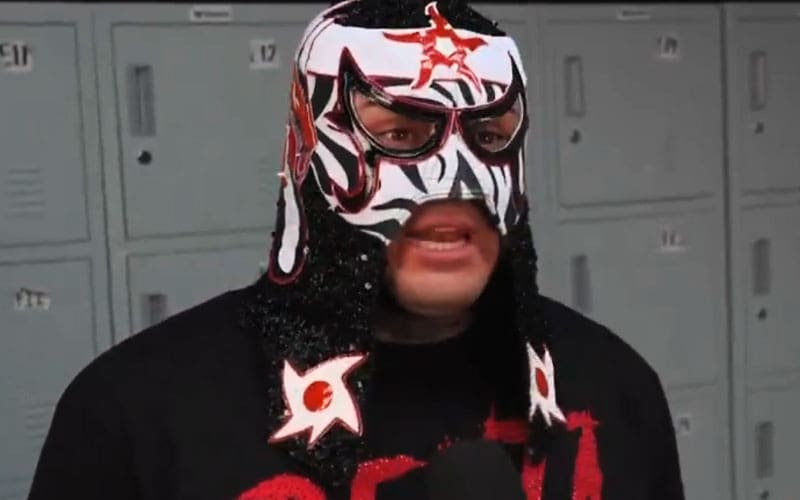
If you have ever been to a pro wrestling show, you know the real heat isn't just in the ring—it's at the merch table. AAA has operated with some of the most visually stunning, larger-than-life characters in combat sports history for decades. Characters like Psycho Clown, Pentagón Jr., and Rey Fénix were practically built in a lab to be action figures. Yet for years, global distribution for AAA merch was spotty at best.
By leveraging Mattel's global distribution network, WWE is turning vintage AAA nostalgia into an engine of high-margin plastic. Kids in Chicago or London who have never watched an entire episode of Lucha Libre AAA on Mexican television are going to see a neon-colored mask in the toy aisle and demand their parents buy it. It is the exact same strategy that turned 1980s cartoon characters into billion-dollar franchises.
Is there a downside to this corporate consolidation? Absolutely. Purists have every right to be skeptical about a American behemoth controlling the legacy of Mexican wrestling tradition. When corporate suits start tweaking character designs for North American retail shelves, you risk losing the raw, chaotic energy that made AAA legendary in the first place. Watching a watered-down corporate version of lucha culture rolled out worldwide might leave a sour taste for longtime fans who loved the unpredictable grit of the original product.
What This Means for the Locker Room and the Ring
Behind the scenes, this deal seals the deal on AAA being fully integrated into the global WWE apparatus. Talent signed to AAA contracts now have a direct line to mainstream international exposure, video games, and lucrative licensing deals that were previously out of reach for non-WWE talent. It changes the financial math for anyone working in Mexico.
However, it also sets up a stark divide inside the locker room. The wrestlers who get action figures, trading cards, and global marketing pushes will thrive under this new system. The performers whose styles or gimmicks don't translate into commercial toy lines could easily get left behind in the shuffle as WWE streamlines AAA operations to fit their global corporate model.
At the end of the day, pro wrestling has always been a business of selling fantasy, and nothing captures fantasy quite like plastic action figures. WWE did not buy AAA just to host a few regional events; they bought it to monetize a rich cultural legacy on a massive global scale. Whether you love the corporate takeover or hate seeing indie independence swallowed whole, one thing is guaranteed: those lucha figures are going to fly off the shelves.