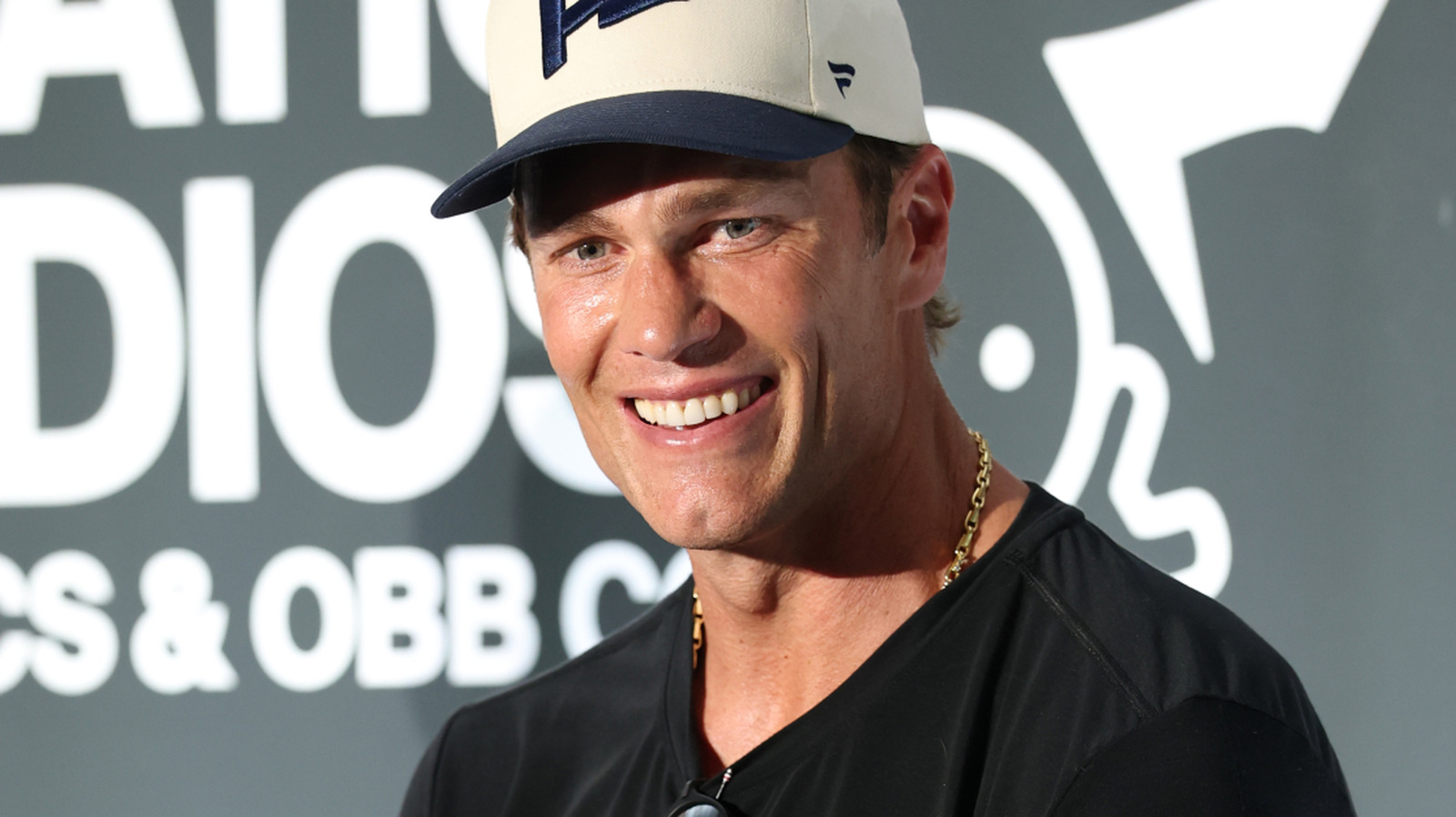
WWE expands reach through SiriusXM radio partnership
WWE is betting big on the auditory experience. Following the official press release issued on July 23, 2026, the company has confirmed the upcoming launch of WWE Radio on SiriusXM. This move shifts the promotion into a 24/7 audio broadcast model, aiming to capture the commuter market and podcast-heavy demographics.
The scheduling plans indicate a blend of live commentary, historical archival analysis, and talent interviews. For a brand that has traditionally leaned on visual spectacle, the pivot to audio implies a desire to monetize content in spaces where screens aren't present. It is an aggressive play to keep fans engaged during the work week when they aren't actively tuning into Raw or SmackDown.
Creative direction and talent integration
The success of this venture relies on more than just reading play-by-plays. WWE needs to leverage its deep roster of retired veterans and current stars to drive listenership. Expect the programming to feature deep dives into the current storylines, similar to the high-tempo analysis found in traditional sports radio formats.
If the station relies solely on recycled event audio, it will struggle to find a permanent audience. Listeners want the behind-the-scenes perspective that doesn't make it to television. The challenge lies in maintaining that kayfabe intensity while offering the candid personality-driven content that fans now demand from digital media platforms.
Analyzing the probability of long-term audio success
This is not a traditional wrestling transfer in the sense of a roster signing, but it constitutes a shift in how WWE treats its assets. The probability of this station becoming a fixture in the wrestling media landscape is high because it is backed by an established partner in SiriusXM. WWE avoids the technical headaches of building a platform from scratch.
However, the skepticism remains valid. Previous attempts by wrestling companies to cultivate audio-only platforms have often faltered due to a lack of genuine creative output. If the shows feel like sanitized corporate press releases, the core audience—the same people tracking live reports on WrestleTalk—will likely tune out within the first month.
Critical assessment of the platform rollout
The primary flaw in this rollout is the potential for content fatigue. WWE fans are already flooded with hours of weekly television content. Asking that same audience to commit to a radio stream requires a unique value proposition that goes beyond simple recaps.
We have seen similar digital media expansions fail when they focus on production value at the expense of authentic host chemistry. If they hire generic radio personalities who lack deep wrestling knowledge, they will sound like outsiders. The talent needs to be able to talk about a 15-minute technical masterclass on a Tuesday morning as easily as they discuss a headline-grabbing contract angle.
What this means for the future of WWE media
If handled correctly, WWE Radio could redefine the promotion's connection to its fanbase. It offers a direct line of communication during off-peak hours. The expected launch represents the next phase of WWE becoming a 24-hour lifestyle brand rather than just a touring wrestling company.
Real impact will be measured by the willingness of active wrestlers to appear on the station without the heavy filter of a scripted promo. If they use the platform to break news or provide genuinely unpredictable interview moments, they will secure a permanent spot on listeners' dial. If it becomes a repetition machine for television highlights, it will quickly become background noise.