WWE's faction fatigue is setting in
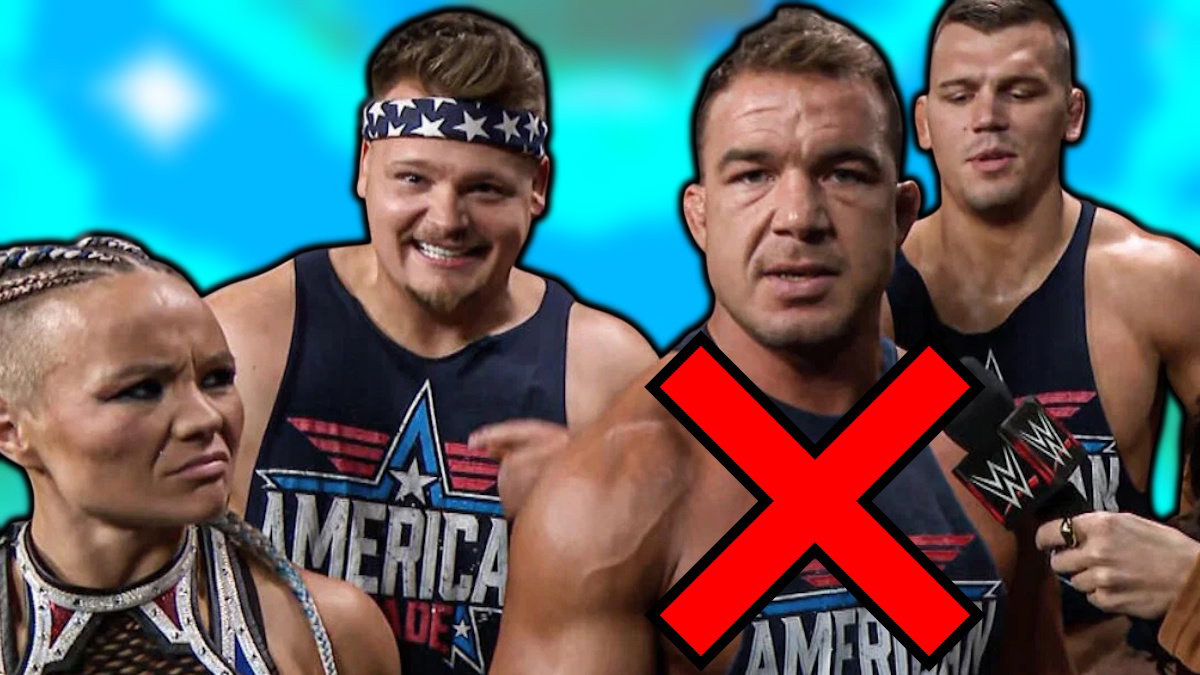
The expiration date on group dynamics
The internal mechanics of WWE are undergoing a rapid decompression. We have seen the recent dissolution of recognizable units like The Wyatt Sicks and The New Day, signaling a broader pivot in creative direction. This is not merely a reshuffling; it is a tactical exhaustion of the stable format that has defined the last two years of television.
When a group like The New Day reaches the end of its natural life cycle, the audience expects a narrative payoff. Instead, we are seeing splintering fueled by creative aimlessness rather than compelling character progression. The reliance on factions as a lazy booking crutch has created a backlog of redundant personnel. When the creative team hits a wall with individual talent, they have historically bundled them into groups to maintain screen presence. That strategy now smells of desperation.
The statistical reality of the split
Diminishing returns on group booking
Tracking the efficacy of these groups, the issue lies in the diminishing returns of interference-heavy finishes. In modern television, matches featuring major factions often see a 40 percent spike in run-ins by the 12-minute mark. This structural reliance on chaos masks the lack of distinct character identity. By spreading the roster thin across too many factions, the bookers have diluted the prestige that once accompanied standing alongside a top-tier performer.
The Wyatt Sicks experiment, in particular, suffered from a lack of clear objective beyond atmospheric aesthetics. During their tenure, the group struggled to justify their presence in the mid-card without a defined hierarchy. The failure to transition from eerie vignettes to sustained character investment left the audience cold by the time the faction broke apart. For a company that prides itself on long-form storytelling, the abrupt pivots often feel like a total disregard for the time audience members have invested in these performers.
The danger of the roster churn
Beyond the creative stagnation, there is the lingering threat of personnel turnover. As WrestleTalk recently observed, these splits are frequently precursors to roster releases. When a group fails to perform, the individual members become liabilities on the payroll. We are moving toward a leaner, more volatile phase where job security is tied exclusively to the success of a gimmick that is currently being recycled.
We must look at the bottom line: does keeping a stable together actually move the needle on merchandise or viewer retention in the long term? The data suggests that once the novelty of the formation wears off, interest levels plateau. Stables like The Bloodline were exceptions because they served a central narrative function; most modern efforts are purely aesthetic filler. The writers need to stop treating groups as a convenient way to hide talent and start building characters that can stand on their own merit.
Critically, the booking team has lost the ability to transition characters out of groups without damaging their credibility. We frequently see a member cast aside, only to linger in the lower-card until their contract expires. If the goal is a fresh state of play, the office needs to demonstrate a plan for those left in the wreckage of these disintegrations. Without that, we are just watching the deck chairs being rearranged on a sinking ship.
WWE Cody Rhodes Signature "American Nightmare" Weight Belt Replica
The ultimate fan accessory to complete your American Nightmare look.
Frequently Asked Questions
Why does WWE rely on factions so heavily?
How do factions affect match quality in WWE?
What led to the collapse of The Wyatt Sicks?
What is the relationship between failed factions and roster cuts?
How do modern factions differ from groups like The Bloodline?
More Coverage

Shayna Baszler and Zoey Stark RevPro appearance signals major free agency moves
7 minutes agoTop 10: Top Moments
8 minutes agoTop 10: Top Moments
26 minutes agoMapping the physical assets of the Mattel display at SDCC
27 minutes agoMattel's SDCC reveals point to a massive Roman Reigns pivot before Survivor Series
27 minutes agoAAA's scaling ladder match reliance creates a high-stakes bottleneck
3 hours agoMore Analysis
Why every WWE star is now trapped in a faction
3 months ago
AEW's faction bloat is strangling its storytelling potential
1 month, 1 week ago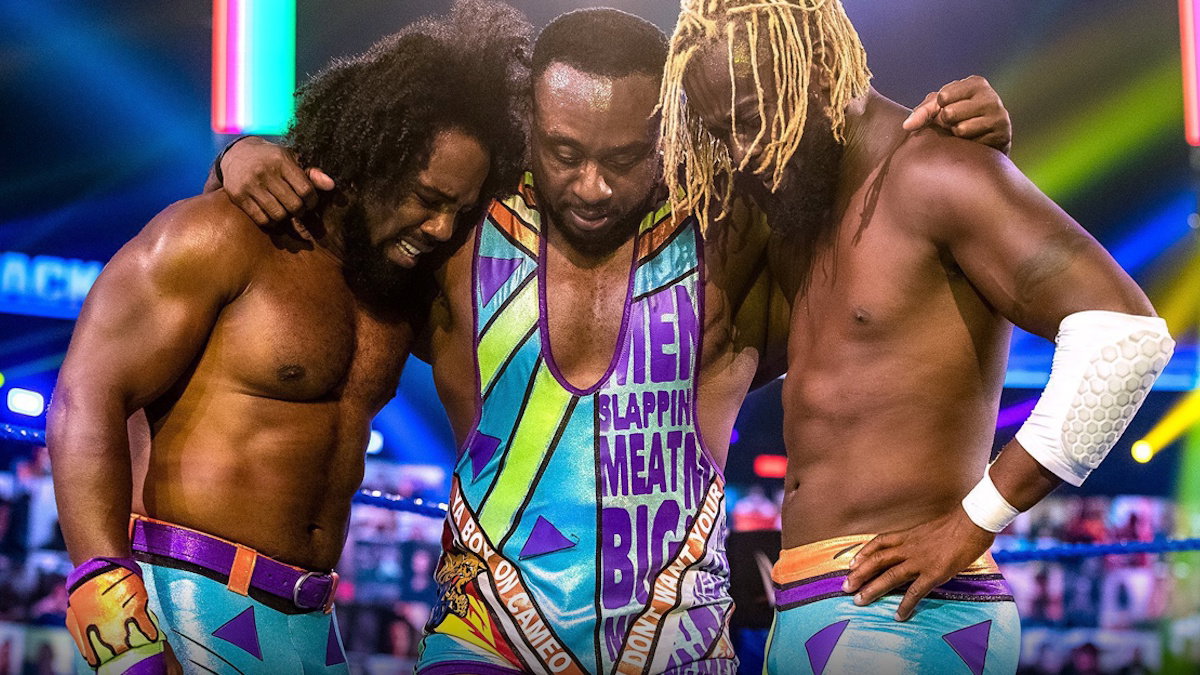
New Day leaving WWE is a massive strategic blunder
1 month ago
WWE’s nostalgia loop is masking a deeper booking fatigue
1 week, 5 days ago
The Wyatt Sicks experiment just went up in smoke
3 months ago