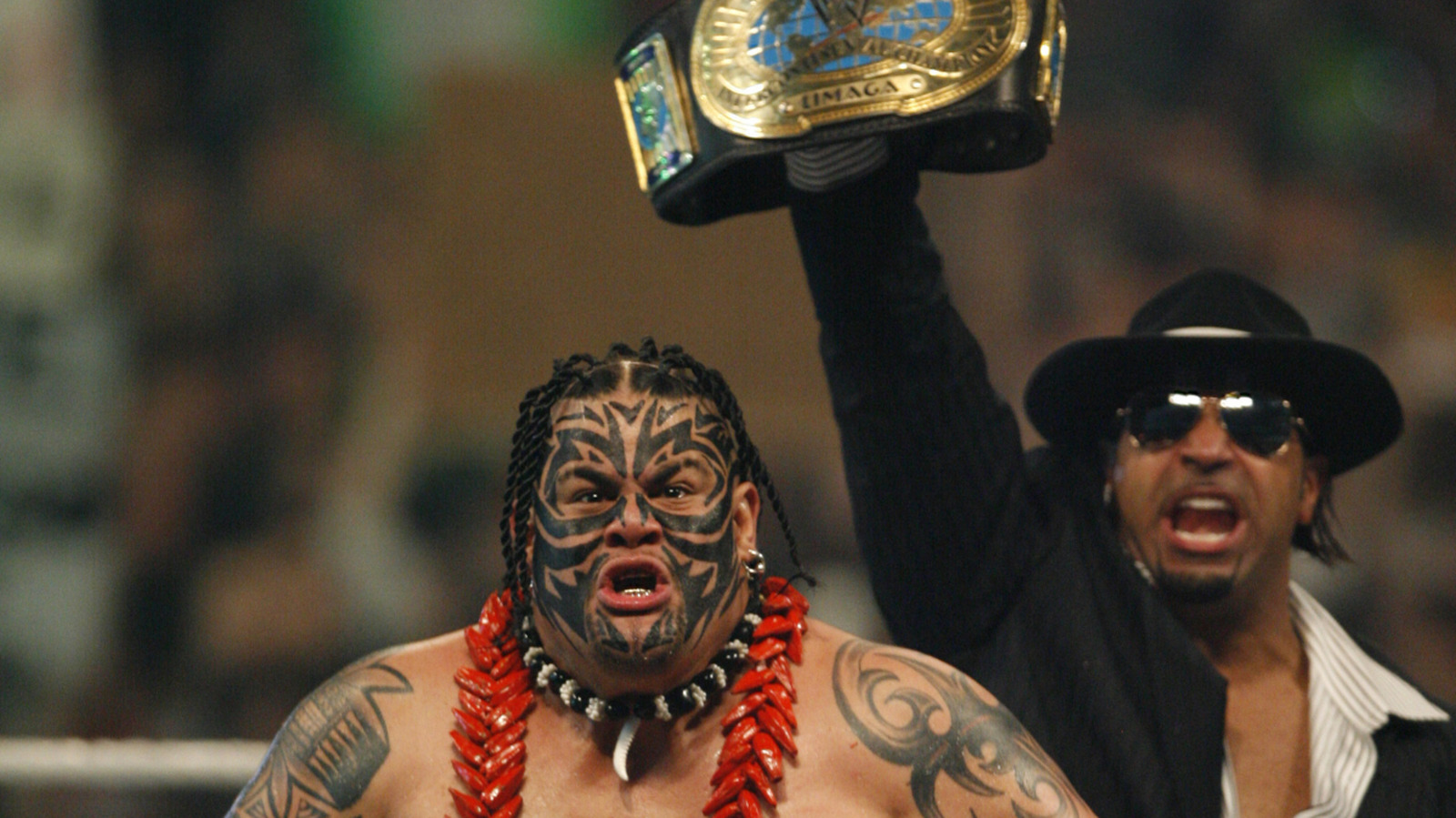
WWE must balance short-term optics with the human reality behind the curtain

The friction between high-stakes programming and personal tragedy
As we approach April 19 and 20, the creative machinery directing WrestleMania 41 is shifting into overtime. The promotion is intentionally distancing itself from last year's meandering, long-form narratives, opting instead for a more urgent, high-voltage delivery in Las Vegas. This pivot is designed to capture the volatility of the Road to WrestleMania, squeezing every ounce of interest from the audience before the opening bell.
However, this cold, clinical approach to booking often ignores the reality of the people holding the product together. While front-office strategists talk about metrics and prime-time real estate, the individuals involved in the production suffer real-world blows. The recent news that Byron Saxton is mourning the passing of his mother serves as a reminder that these athletes and broadcasters are not pieces on a chessboard.
The danger of over-calculating consumer behavior
WWE's internal data-driven approach to feuds suggests they want a product that feels inescapable—a constant drumbeat of hype leading into the WrestleMania 41 event. They are looking to capitalize on recent momentum with surgical precision. Yet, there is a fundamental flaw in assuming that audiences only crave a sterilized, hyper-aggressive creative product.
If you look at the recent signing of Valentina Rossi to a WWE ID contract, it reveals a calculated attempt to secure the next generation of indie talent before they hit their ceiling. This shift in recruitment is meant to stabilize the pipeline. But securing talent is only half the battle. If the promotion fails to reconcile its brutal production schedule with the personal lives of its personnel, the creative output eventually suffers. Maintaining a 16-day window until the biggest show of the year requires immense mental discipline from the staff.
Why narrative speed cannot replace substance
The turn toward short, punchy storytelling is objectively 100% better than the bloated segments that plagued the mid-2025 cycle. We no longer see twenty-minute opening monologues that go nowhere. Instead, we are seeing 8-9 minute segments that focus on immediate conflict—a backstage brawl that ends in a specific pinning combination or a signature finisher to assert dominance.
This efficiency has an expiration date, specifically if the talent feels burnt out. Critics point out that while the pace is better, the emotional resonance of these matches is missing. If you want a crowd to invest in two nights of stadium wrestling, the audience needs to feel for the competitors. It is difficult for the viewer to connect with a high-stakes title match if the people behind the microphone aren't being given the space to breathe.
Refining the vision for the road ahead
The push toward April 19 remains the primary objective. By prioritizing velocity over substance, the creative team hits their numbers, but they risk eroding the connection with the viewer. A match needs to mean something beyond a win-loss record on a spreadsheet.
When you watch the mid-card matches for WrestleMania, observe the spacing and the psychology. If the performers are simply executing a sequence of spots because the script mandates it, the match lacks the improvisational spark that defined previous eras. A 30 percent drop in organic crowd response isn't just a technical error; it is a sign that the audience can tell when the emotion is manufactured. Moving toward the summer series of international shows and eventually back in May, this rigidity could become a anchor. Success lies in allowing the humanity of the performers to dictate the flow of the ring work, rather than forcing them to serve a pre-programmed narrative loop.
Under the Black Hat: My Life in the WWE and Beyond
Good ol' JR takes us behind the scenes of the legendary Attitude Era.
Frequently Asked Questions
When is WrestleMania 41 scheduled to take place?
What is the primary creative shift for WrestleMania 41?
How does the current production schedule impact WWE personnel?
Why did WWE sign Valentina Rossi to a WWE ID contract?
What is a potential downside of WWE's current efficiency-led booking?
More Coverage
Ethan Page is playing a dangerous game with his ego in NXT
an hour ago
John Cena’s final act is becoming a masterclass in nostalgia
7 hours ago
Nick Aldis walking into an impossible SummerSlam corner
9 hours ago
Logan Paul and Tom Brady are playing a dangerous game
9 hours ago
CM Punk’s physique isn't the story, his ring rust is
9 hours ago
Sheamus is running out of road in WWE
9 hours agoMore Analysis
WWE promotions signal a lean, corporate focus heading into WrestleMania 41
3 months, 2 weeks ago
SmackDown's booking instability reveals a recurring creative flaw
3 months, 1 week ago
WrestleMania 41 is a booking minefield WWE must navigate
3 months agoWWE creative is burning the midnight oil before WrestleMania 41
3 months, 2 weeks ago
WrestleMania 41 is shaping up as a high-stakes turning point for WWE
3 months, 1 week ago