
SmackDown's booking instability reveals a recurring creative flaw
Late changes suggest a lack of long-term foresight
The latest report regarding SmackDown reveals a jarring pattern that keeps surfacing within the WWE creative office. Just hours before the show, producers were forced to pivot, executing a series of match modifications and segment shuffles that abandoned their initial script. This is not the hallmark of an organization firing on all cylinders, but rather the behavior of a promotion struggling to nail down a coherent narrative arc.
When cards are subjected to high-level swaps on the day of production, it rarely points to a genius stroke of spontaneous creativity. Instead, it suggests that the foundation laid earlier in the week was inherently unstable. As Ringside News has detailed, these eleventh-hour adjustments forced the talent to adjust their timing and rhythm on the fly. Whether or not the end result matches expectations for the fans, the process is fundamentally flawed.
The cost of moving the goalposts
Professional wrestling thrives on building momentum toward major events, and with WrestleMania 41 looming on April 19, the margin for error is non-existent. Every segment should be a building block toward a high-stakes encounter, yet the constant shifting indicates that the writers are fighting an uphill battle against their own ambiguity. Consistency in booking provides the audience with a sense of security, ensuring that characters remain distinct and their motivations clear.
When segments are swapped just to fill time or chase a fleeting reaction, the secondary feuds suffer. A mid-card wrestler attempting to get over with the crowd cannot do so if their match structure is altered by the whims of a late-afternoon meeting. The fans are perceptive; they know when a show feels like it was put together on the back of a napkin during the pre-show walkthrough. This approach wastes the limited television time the promotion has to bridge the gap between weekly shows and premium live events.
Missing the chance for character development
The most egregious consequence of this constant pivot is the erosion of deliberate character arcs. A wrestler needs space to express their persona, whether through a methodical, technical exchange or an intense promo that builds over several minutes. When the time allotted for these segments is slashed to accommodate last-minute match additions, the nuance disappears. What we get instead is a hollow imitation of a competitive rivalry.
If the creative team cannot commit to a scripted path, the performers are left to navigate a minefield of inconsistency. WrestleMania 41 represents the biggest financial and creative opportunity of the year, yet the current methodology suggests a reactive stance rather than a proactive one. If the decision-makers on SmackDown continue to treat the weekly two-hour block as a trial-and-error experiment, they risk entering the biggest weekend of the year with narratives that feel underdeveloped and disjointed. Achieving success during the weekend of April 19 requires a steady hand, not a panic-induced rewrite of the broadcast rundown.
Read Next
- Drew McIntyre targets Jacob Fatu's past in heated SmackDown segment
- Damian Priest's outburst highlights a broader struggle for WWE screen time
- Pat McAfee's SmackDown surprise points toward a massive WrestleMania signing
- The San Jose reveal that could break the WrestleMania 41 main event
- 🏆 WrestleMania 41 — Full Coverage Hub
TMNT x WWE Superstars Leonardo as John Cena Figure
The ultimate crossover mashup for fans of the 90s and modern wrestling.
Frequently Asked Questions
How do last-minute script changes affect WWE performers?
Why is the current booking style problematic for WrestleMania 41?
What is the impact of constant match shuffles on mid-card talent?
What does the frequent changing of SmackDown scripts signify?
How does unstable booking impact fan perception?
More Coverage
Top 10: The Definitive Ranking of Mid-Summer WWE Moments
an hour agoThis Week in Wrestling: MSG Stardust and Championship Shakeups (Jul 13–Jul 19, 2026)
an hour agoKarl-Anthony Towns at Saturday Night’s Main Event was a fever dream gone wrong
2 hours agoKarl Anthony Towns just created the weirdest wrestling moment of 2026
2 hours ago
LA Knight turns viral frustration into a merchandise play
2 hours ago
WWE roster health check: The mid-summer injury grind hits home
2 hours agoMore Analysis
WWE’s Tag Title booking is currently an unmitigated disaster
3 months, 1 week ago
WrestleMania 41 is a high-stakes gamble on momentum
3 months ago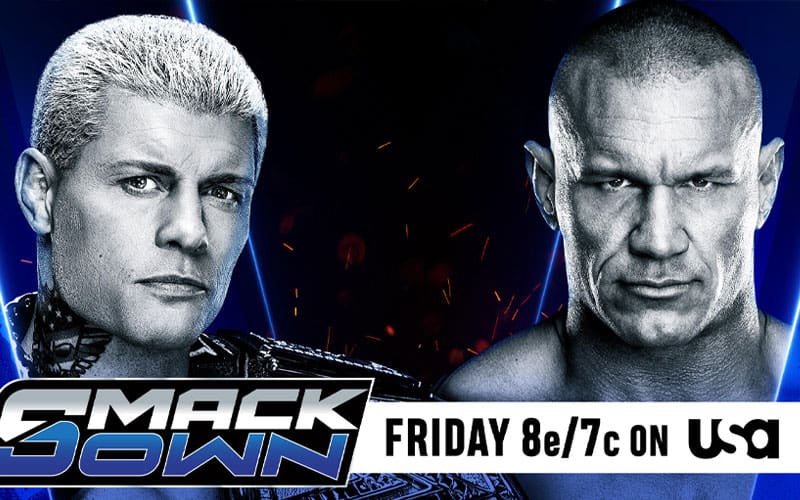
SmackDown is stalling out right before WrestleMania 41
3 months, 2 weeks ago
SmackDown is stalling instead of building momentum for WrestleMania
3 months agoCreative stagnation is the real threat to Friday nights
3 weeks, 4 days ago