The mood backstage is officially toxic
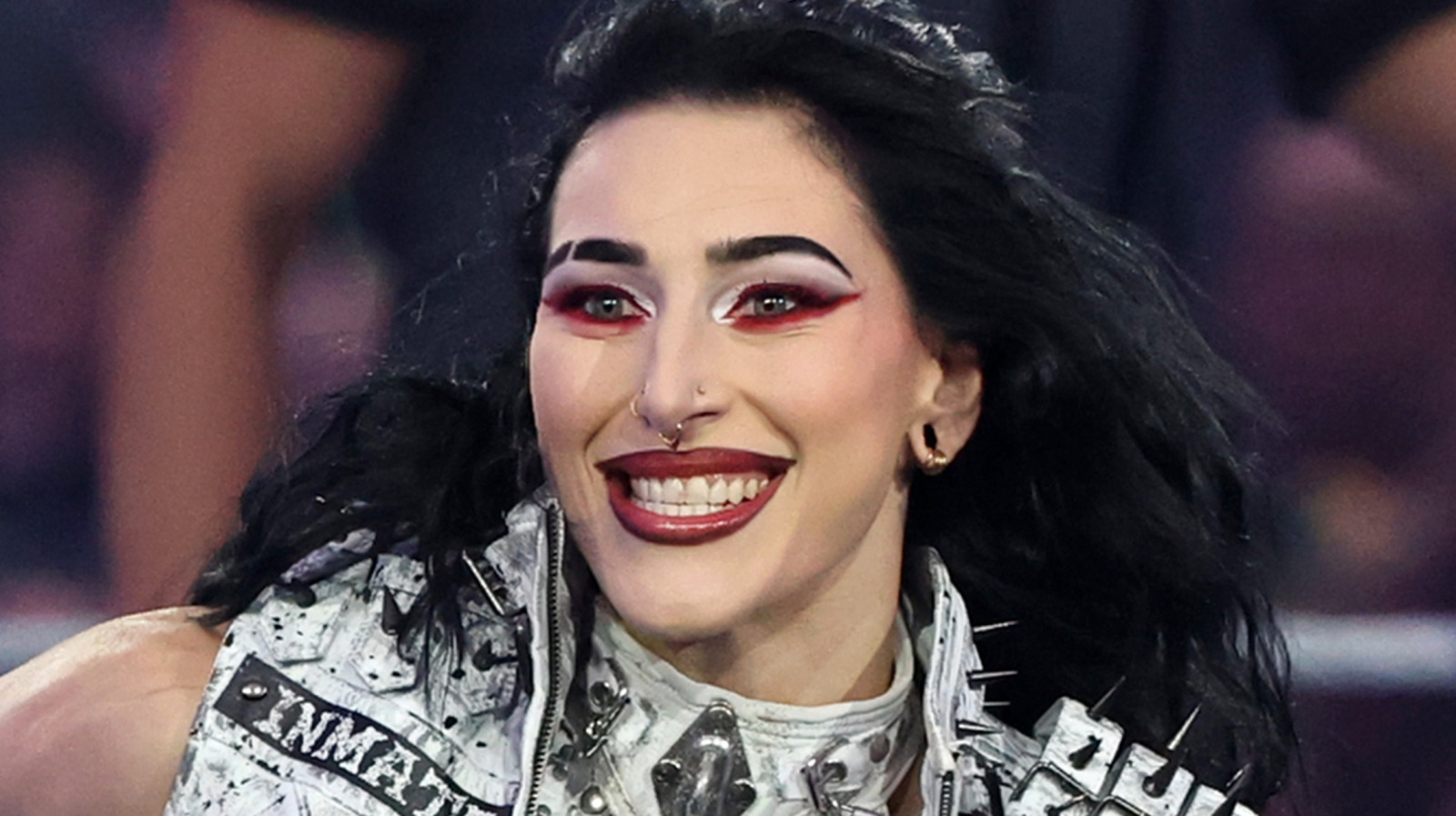
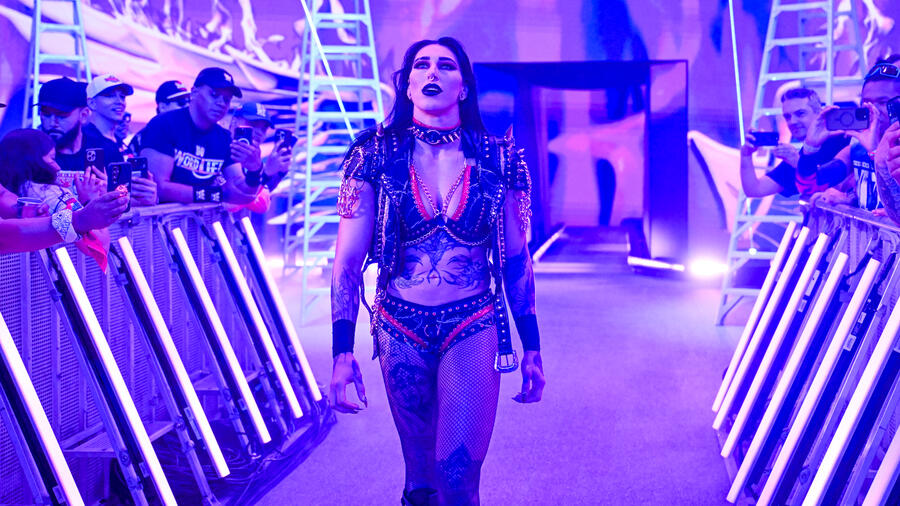
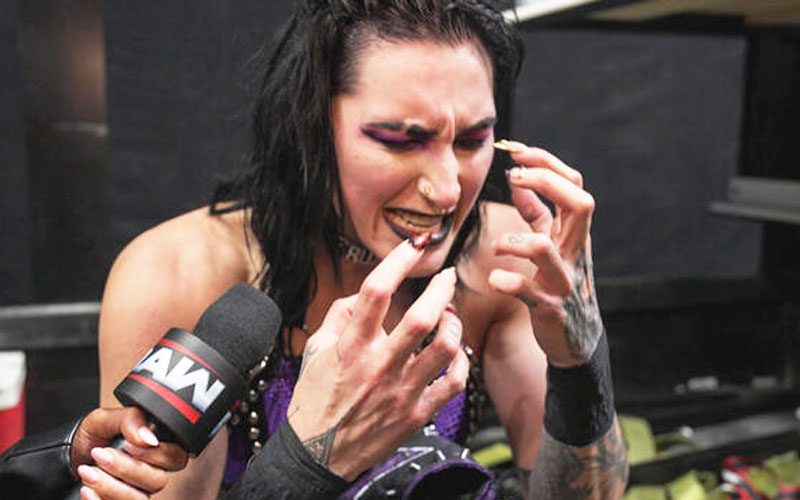
If you think the wrestling business is just about the highlight reel, you haven't been paying attention to the message boards. The latest wave of WWE releases has left the company’s biggest stars openly questioning the front office. Rhea Ripley isn't mincing words, and frankly, neither is the fanbase.
We are past the point of corporate speak. When the biggest names in the company sound like they’re waiting for their own pink slips, the creative product suffers. It doesn't matter how many pyro effects you ignite when the roster feels like a disposable commodity.
The optimist versus the cynical realist
You have two distinct tribes in the Discord right now. There are the defenders who argue this is just smart business management for a publicly traded entity. They point to the bottom line as if we’re all shareholders waiting for a quarterly dividend check.
Then you have the rest of us. The ones who know that wrestling is built on emotional equity. You can’t build a ten-year storyline if you treat the talent like a fleet of rental cars. Turning over 10 percent of your roster because of a spreadsheet glitch is how you kill fan investment overnight.
The argument from the front office loyalists goes like this: if you can't get over on a major stage, your roster spot is invalid. But that misses the point of storytelling. A great promotion creates value for everyone. If you’re just discarding people who haven't hit the main event yet, you aren't building talent. You’re auditioning for other promotions.
Why the backlash is actually warranted
Let’s talk wrestling reality. We are two weeks away from Backlash 2026, and the chatter isn't about the main events. It’s about the revolving door of personnel. When you look at the Rhea Ripley statement, you see someone who actually understands the value of a cohesive locker room. She’s gutting out the performance while watching her friends exit via FedEx.
The math isn't hard. A roster that feels unsafe is a roster that won't take risks in the ring. You want a 20-minute clinic with a top-rope Spanish fly or a brutal stiff-shot match? You need performers who aren't looking over their shoulders at the HR department. The current atmosphere smells like desperation disguised as fiscal prudence.
The booking side of the struggle
Booking is being treated like a live-service game. You push the guy who tested the best in a focus group, then cut him if the metrics don’t spike in 30 days. It creates a feedback loop where nobody can really grow. If you look at the history of the business, growth takes years of trial and error.
Take a look at the current pacing for the upcoming premium live events. The road to the UCL finals might have more long-term structural integrity than the current WWE mid-card booking. At least in football, the goals are in the same place every week. Here, it feels like the goalposts get moved every time someone misses a quarterly deadline.
My take? The company is playing a dangerous game. You can dominate the market share, but you can’t buy loyalty with a stock option. If the talent doesn't feel like the company respects the work, the match quality drops. And if the match quality drops, the fans stop watching. It’s a death spiral that starts at the top and works its way down to the curtain-jerkers.
I’m not saying they should keep everyone forever. That’s not how the industry works. But there is a difference between trimming the fat and cutting into the bone. Right now, they’re carving out the marrow. If they keep this pace up, we’re going to see a brain drain to the other promotions that will make the 90s look like a slow news day. Watch the promos after Backlash. If the energy is off, you’ll know why.