The Big Picture: Assessing a company in transition
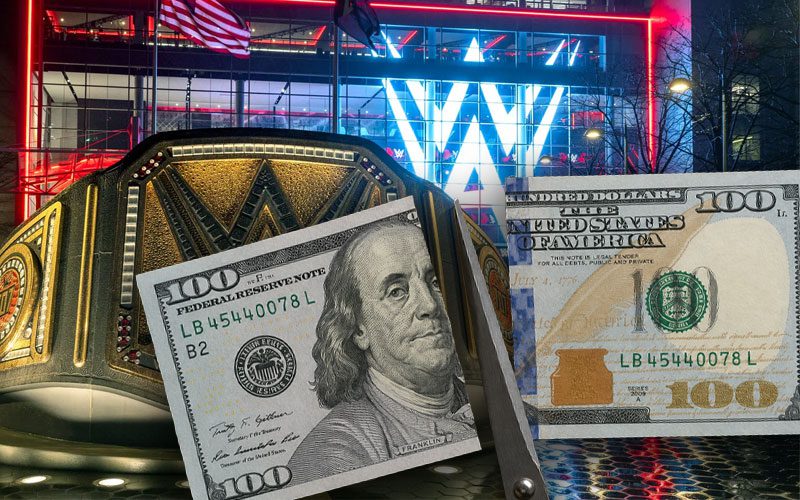
WWE is currently executing a aggressive financial pivot that prioritizes payroll reduction over roster depth. The result is a locker room dominated by uncertainty, where the traditional security of a multi-year deal has been replaced by the threat of restructuring or outright termination.
The Rankings: WWE's current hierarchy of heat
1. The Corporate Cost-Cutters
Management occupies the top spot because their mandates dictate every other movement within the company. By forcing talent to accept pay cuts to avoid releases, they have effectively shifted the financial risk onto the performers. This approach ensures profitability but destroys the internal morale required for long-term growth.
2. Talents Facing Contract Restructures
These performers are the immediate casualties of the new fiscal policy. As reported by Ringside News, several stars have already accepted reduced terms to retain their spots. This group is essentially working under duress, knowing their market value was discarded for the sake of the bottom line.
3. The Potential Release Candidates
The anxiety here is palpable to any observer familiar with WWE's history of firing cycles. Many performers are now actively debating whether to ask for their own releases before the company makes the decision for them. The internal climate suggests that the fear of being fired is currently outweighing the desire to compete.
4. Booker T's Reality Check
Booker T recently stated that cuts are inevitable, providing a cold dose of industry perspective. His stance highlights the brutal expectation that talent must constantly justify their existence or face the axe. He is right that the business is cold, but his normalization of these layoffs only serves to embolden the front office.
5. The Creative Team
The writers are tasked with building storylines while the roster is in a constant state of flux. It is difficult to manufacture genuine emotional investment for a wrestler who might not be on the company payroll in three months. Their work-rate has suffered as a result of this instability.
6. The Mid-Card Stalwarts
These workers occupy the most precarious middle ground in the industry. They lack the leverage of a main-event attraction and the cheap cost of a developmental prospect. They are the most likely to face the $100,000 plus reduction in salary packages rumored to be in play.
7. The New Signings
Incoming talent often enters with high guarantees, but in 2026, those contracts appear less ironclad than in previous years. They are entering an environment where management is actively looking for ways to trim millions from payroll. Their dream job could turn into a cost-saving statistic within their first six months.
8. The Developmental Prospects
While they are usually insulated from major roster purges, the trickle-down effect is real. When the main roster shrinks, the path to promotion becomes obstructed by veterans fighting for scraps. Their development is effectively paused as they wait for an opening that may never arrive.
9. The Touring Logistics Staff
Often overlooked, the backstage crew faces the same pressure as the talent. When WWE cuts millions in payroll, the support staff is rarely spared, leading to logistical errors on the road. The result is a production that feels slightly diminished compared to the standards of 2024.
10. The Loyalists
These are the performers who have weathered multiple cycles of layoffs and pay structure changes. They survive by being versatile, but even they are beginning to show signs of exhaustion. As Ringside News reported, even those who stay are questioning if the reward is worth the ongoing stress of these negotiations.
Honorable Mentions
The medical staff deserves mention for attempting to keep a battered roster functional while management cuts costs elsewhere. Additionally, the social media team remains a bright spot, attempting to mask the company's internal crisis with polished highlights and promotional clips. However, no amount of filters can hide the fact that WWE is currently operating in a state of self-preservation that favors the balance sheet over the product's long-term health.