The Trademark That Launched a Thousand Guesses
On April 23, 2026, WWE filed an application with the United States Patent & Trademark Office for the name "Mason Rook." As reported by WrestleTalk and echoed by F4WOnline, this is standard operating procedure for the promotion.
The filing details are sparse, but they follow a familiar pattern:
The application was made by WWE on April 23, 2026 under Goods [...]
They secure the IP, slap it on a new Performance Center recruit or a repackaged independent veteran, and wait to see if the crowd bites.
But the internet wrestling community doesn't just read a trademark filing and move on. A simple USPTO update immediately becomes a battleground of speculation, dread, and fantasy booking. The reaction to "Mason Rook" across forums and social media this week highlights exactly how fans view WWE's current developmental machine.
We don't know the face, the finisher, or the theme song. All we have is a name. Naturally, that is more than enough to start a war of words.
The Skeptics: Another Spin of the Name Generator
The immediate and loudest reaction to the Mason Rook filing was pure exhaustion. Fans on Reddit were quick to point out the predictable cadence of the name. It fits the classic WWE template perfectly: a slightly edgy first name paired with a blunt, one-syllable last name.
Users joked that Shawn Michaels must have a giant carnival wheel in the back of the Performance Center in Orlando. One side has names like "Mason," "Hunter," and "Lexis." The other side has "Rook," "King," and "Danger."
This isn't a new criticism. When you look at the recent crop of NXT talent, the two-syllable/one-syllable rhythm is everywhere. The community groans because it feels manufactured. It strips away the organic grit that fans crave.
Many fans expressed frustration that an established independent wrestler might be getting stripped of their identity just to wear this generic moniker. The fear is always that a guy who spent 10 years building a reputation as a killer on the indies—hitting a rolling elbow into a Code Red for a near-fall in a sweaty armory—is going to debut next Tuesday on NXT television in a sweater vest.
He will probably introduce himself as Mason Rook, an amateur chess champion with a chip on his shoulder. It is the classic WWE sanitization process. Fans are uniquely sensitive to it right now.
The criticism often centers on the idea that the company creates unnecessary hurdles for new talent. Giving them names that sound like default characters from a WWE 2K game doesn't help anyone get over.
The Enthusiasts: Blank Slates and Big Opportunities
But not everyone is rolling their eyes. There is a vocal segment of the fanbase that actually defends the practice. Their arguments for Mason Rook have been surprisingly compelling.
The core argument from the enthusiasts is that an ownable, WWE-specific name gives the talent a fresh start. If an indie standout comes in with their old name and a pre-packaged gimmick, they are often judged against their past work. A new name like Mason Rook resets the expectations.
It allows the performer to build a character specifically tailored for television. They don't have to try to adapt a bingo-hall persona for a global stadium audience.
Some fans pointed out that names we now consider iconic sounded ridiculous when they were first trademarked. They brought up the initial reactions to names like Roman Reigns or Seth Rollins. At the time of their filings, those names were mocked mercilessly online.
Now, they are the biggest stars in the industry. The enthusiasts argue that Mason Rook sounds like a solid, mid-card heel who could easily grow into a main event player if the person behind the name has the chops. Giving a wrestler a fresh coat of paint means they aren't carrying the baggage of a previous bad run.
The Contrarians: It's Just Business
Then you have the contrarians. These are the fans who view every move through the lens of corporate strategy. They aren't interested in the creative implications of Mason Rook. They are only interested in the economics.
These fans were quick to drown out the complaints by explaining the reality of modern wrestling. WWE is a massive media property, and they need to own their IP. You cannot invest millions of dollars into marketing a character if you don't control the trademark.
You definitely cannot put their face on lunchboxes and video games if the performer can walk out the door and use that name elsewhere. The contrarians argue that fans complaining about name changes are living in the past.
According to this camp, the filing of Mason Rook is just a reminder that WWE is a business first. Whether the name is generic or not is entirely beside the point. The point is that Endeavor and TKO Group need assets. Trademarks are assets.
They dismiss the romantic idea of a wrestler bringing their indie name to the big stage as naive. In their view, if you want to make WWE money, you play by WWE rules. If you want to keep your indie name, you go to AEW. If you want to be a global superstar, you become Mason Rook.
The Detective Work: Who is Mason Rook?
Beyond the philosophical arguments about naming conventions, the filing triggered an intense wave of detective work. Fans are actively trying to match the name to recent Performance Center signees or free agents who have recently gone quiet.
The leading theory on the forums right now connects the "Rook" part of the name to someone with a background in amateur wrestling or a legitimate combat sports crossover. The name implies someone grounded, maybe a bit rigid or tactical.
Others are looking at the current NXT roster. They are trying to figure out if someone from the Level Up tapings is due for a sudden repackage.
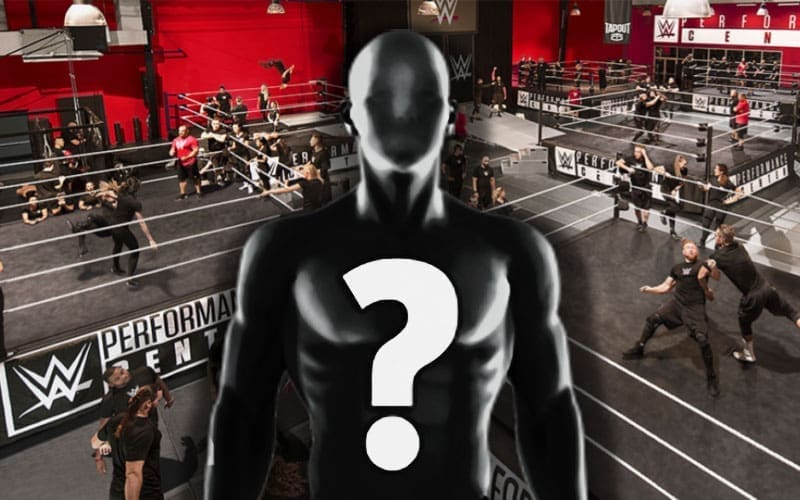
There is also the dark horse theory: Mason Rook isn't a wrestler at all. Some users speculated it could be the name of a new referee, a backstage interviewer, or even a new on-screen authority figure.
The ambiguity of the USPTO filing—listed under general wrestling goods and services—leaves the door wide open. It proves just how obsessive the fanbase can be when a single document filed on a Thursday generates dozens of breakdown videos by Friday afternoon. The internet sleuths are cross-referencing recent tryouts, analyzing social media follows, and looking for any clue to uncover the identity of Mr. Rook.
Where the Argument Settles
When you sift through the noise, the reaction to Mason Rook is less about the name itself and more about the anxiety surrounding WWE's developmental pipeline. The skeptics have a valid point. The company has a terrible habit of stripping away what makes a wrestler special in order to fit them into a corporate mold.
You can look at dozens of recent call-ups who lost their momentum the moment they were handed a randomly generated name and a generic entrance theme. The criticism is earned, and it happens frequently enough that the groans are absolutely justified.
However, the enthusiasts and the contrarians ultimately hold the stronger hand here. The reality is that the name matters very little in the long run. If the performer assigned to be Mason Rook has undeniable charisma and can go in the ring, the fans will forget how generic the name sounds within a month.
If the performer connects with the crowd, they could be named literally anything. A perfectly executed lariat and a believable promo will always supersede the name on a birth certificate.
WWE needs to own their IP. It is an inescapable fact of their business model. The fan frustration is understandable, but it is largely misplaced.
We should be judging the company on the creative execution of the character, not the trademark filing that precedes it. Until Mason Rook actually walks down the aisle, the outrage is just another Tuesday on the internet. And knowing this community, by the time WWE Backlash rolls around on May 9, we will be arguing about a completely different trademark anyway.