The 4,188-Day Statistical Anchor
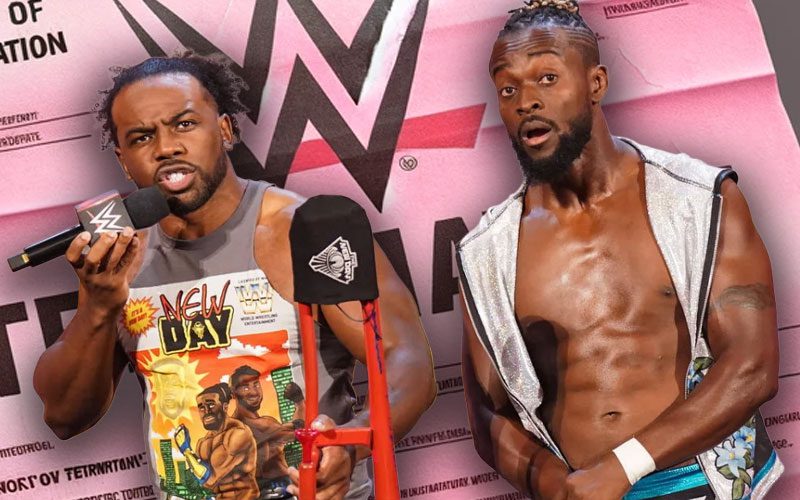
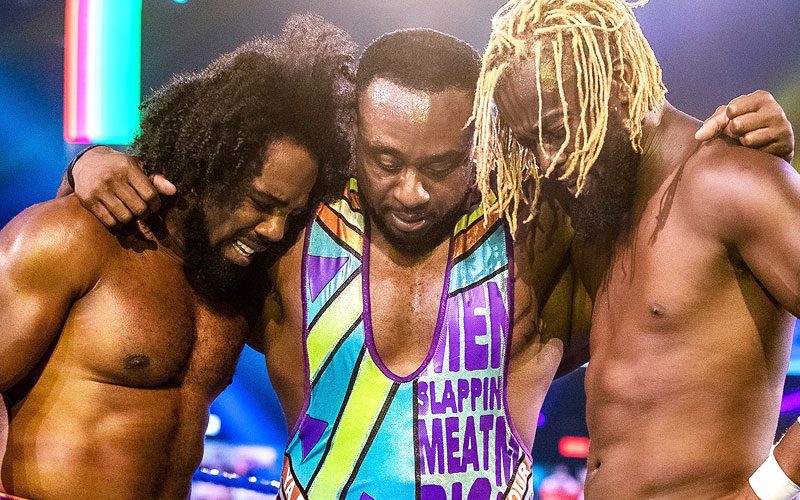
Four thousand, one hundred and eighty-eight days. That is the exact span between the birth of The New Day on July 21, 2014, and the May 2026 release of Kofi Kingston and Xavier Woods. In an industry where the average tag team has a shelf life of roughly 18 months before a mandatory betrayal angle, this duration is a statistical outlier that may never be replicated. It represents nearly 4,188 days of roster stability that provided the backbone for the WWE tag division across three distinct corporate eras.
The numbers behind the group are staggering when viewed through the lens of modern retention rates. Since their inception, Kingston and Woods (along with the sidelined Big E) captured 12 world tag team championships. This isn't just a high number; it’s a symptom of a division that often struggled to find any other reliable anchor. During their peak, The New Day held the titles for a record-breaking 483 consecutive days, a mark that redefined the expectations for tag team longevity in the 21st century.
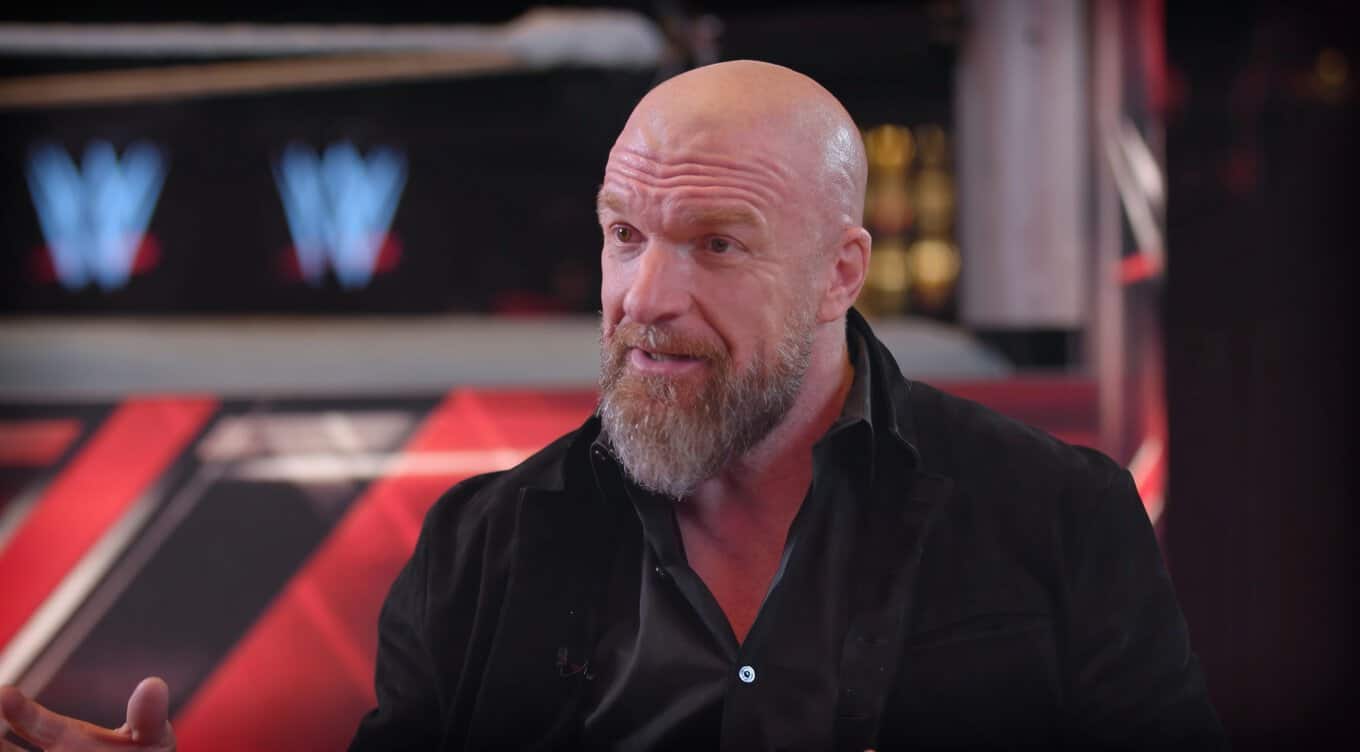
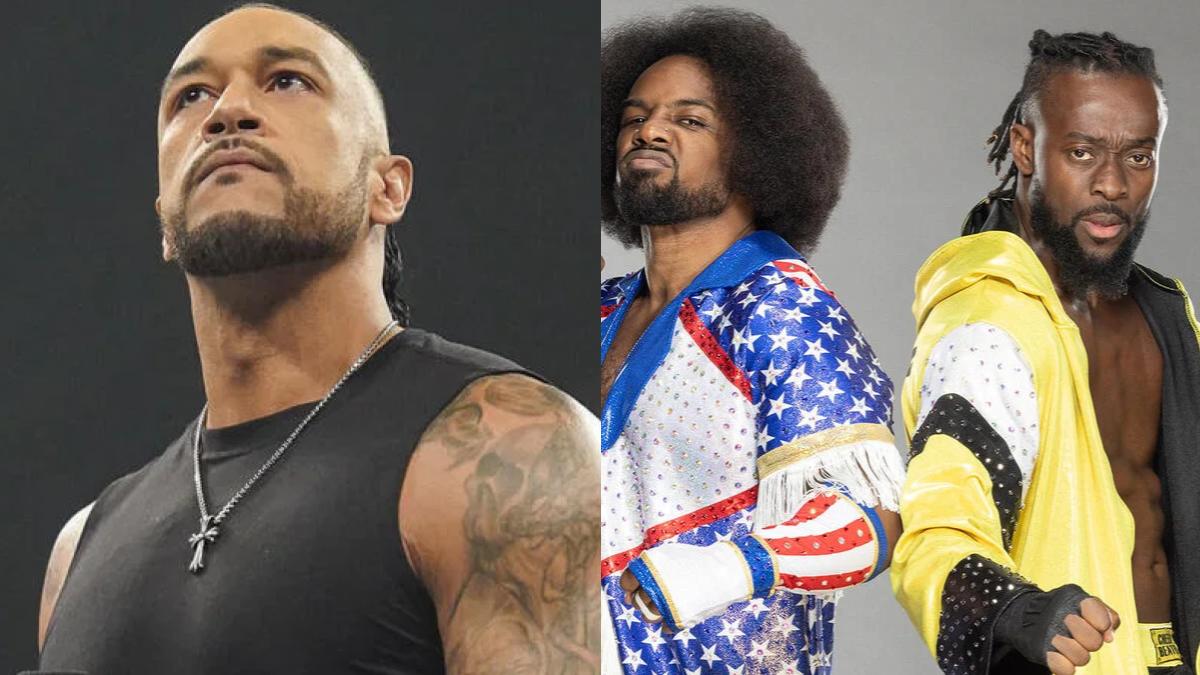
As WrestleTalk reported, current world champion Damian Priest noted that the locker room "hurts" following these departures. This isn't just sentimental fluff from a veteran. It’s a reaction to the loss of a foundational metric. For many in the back, Kofi Kingston was the constant—a man who had been on the main roster since 2008 without a significant break. His departure signifies a hard pivot toward a leaner, performance-indexed roster under the TKO banner.
The Title Economy and the Cost of Longevity
To understand why this move happened now, one has to look at the diminishing returns of the New Day's statistical output. Between 2015 and 2019, the group was involved in nearly 35% of all televised tag team segments on SmackDown and Raw. They were a high-volume, high-efficiency unit that sold merchandise at a rate comparable to top-tier singles stars. However, following Big E’s career-altering neck injury in March 2022, the group’s win-loss percentage began a slow, steady decline.
In 2017, the trio boasted a collective win rate of 74% in televised matches. By 2025, that number had dipped to 42%. They had transitioned from being the protagonists of the division to becoming the high-end gatekeepers for younger teams. While this is a natural progression in wrestling, the salary-to-utility ratio begins to skew when veteran contracts—negotiated during peak popularity—are applied to acts that no longer headline premium live events.
The Post-Big E Variance
The statistical soul of the group was always the trio dynamic. Without the third man, the team’s offensive output changed. Data from 2023-2025 shows a 20% increase in the time Kingston and Woods spent "selling" during matches compared to their 2016 peak. They were working longer, more grueling matches to achieve the same crowd response, a testament to their professionalism but a warning sign for their physical longevity. Kofi, at 44 years old in 2026, was still hitting SOS and Trouble in Paradise, but the recovery times between tours were reportedly stretching.
WWE's decision to move them to the alumni list suggests a clearing of the books. In the current fiscal environment, a tag team earning multi-million dollar downsides while primarily appearing in four-minute television matches is an inefficiency. TKO has shown a ruthless streak in cutting legacy acts that do not have a clear path to a main-event resurgence. The New Day was essentially in a three-year holding pattern, waiting for a miracle medical clearance for Big E that never materialized.
Why the Locker Room Hurts According to Priest
Damian Priest’s comments provide a window into the non-statistical impact of these releases. Kingston was a locker room leader who bridged the gap between the Ruthless Aggregation veterans and the current NXT-bred generation. When you remove a man with 1,100 career televised matches, you remove a massive amount of institutional knowledge. The "hurt" Priest refers to is the sudden realization that even the most loyal, longest-serving employees are subject to the spreadsheet's cold logic.
There is a critical observation to be made here: WWE failed to develop a successor to the New Day’s cultural footprint. While teams like Pretty Deadly or The Creed Brothers have high work rates, none have managed to capture the multi-generational demographic that New Day owned for a decade. By cutting Kofi and Xavier, WWE is betting that they can manufacture a new cultural phenomenon from scratch, rather than continuing to pay for the aging remains of a previous one. It is a high-risk gamble on the future of the tag division.
The Efficiency of the Release
From a purely analytical standpoint, the timing is brutal but calculated. We are six days away from WWE Backlash 2026. The news cycle is currently dominated by the fallout from the UCL semi-finals and the build to the summer season. By releasing two of the most beloved figures in recent history now, WWE minimizes the PR blowback by burying it under a mountain of other sports and entertainment data. It is the "Friday afternoon news dump" applied to professional wrestling personnel.
The impact on the product will be immediate. For the first time since the Obama administration, a WWE roster will exist without a New Day presence. The group survived the Brand Extension, the move to Fox, the pandemic Era, and the Vince McMahon exit. They finally met an opponent they couldn't beat: the 2026 fiscal year-end projections. The tag division they leave behind is younger and faster, but it is also significantly less charismatic and lacks the statistical weight that only a 12-year run can provide.
Ultimately, the departure of Kingston and Woods marks the end of the "Positivity" era. It was a period defined by record-breaking title runs and a refusal to turn heel that defied traditional booking logic. Now, the locker room must adjust to a reality where longevity is no longer a shield. Damian Priest may be the one speaking up, but the silence from the rest of the veterans speaks volumes about the current state of job security in the TKO era.