The machine is finally moving in Vegas
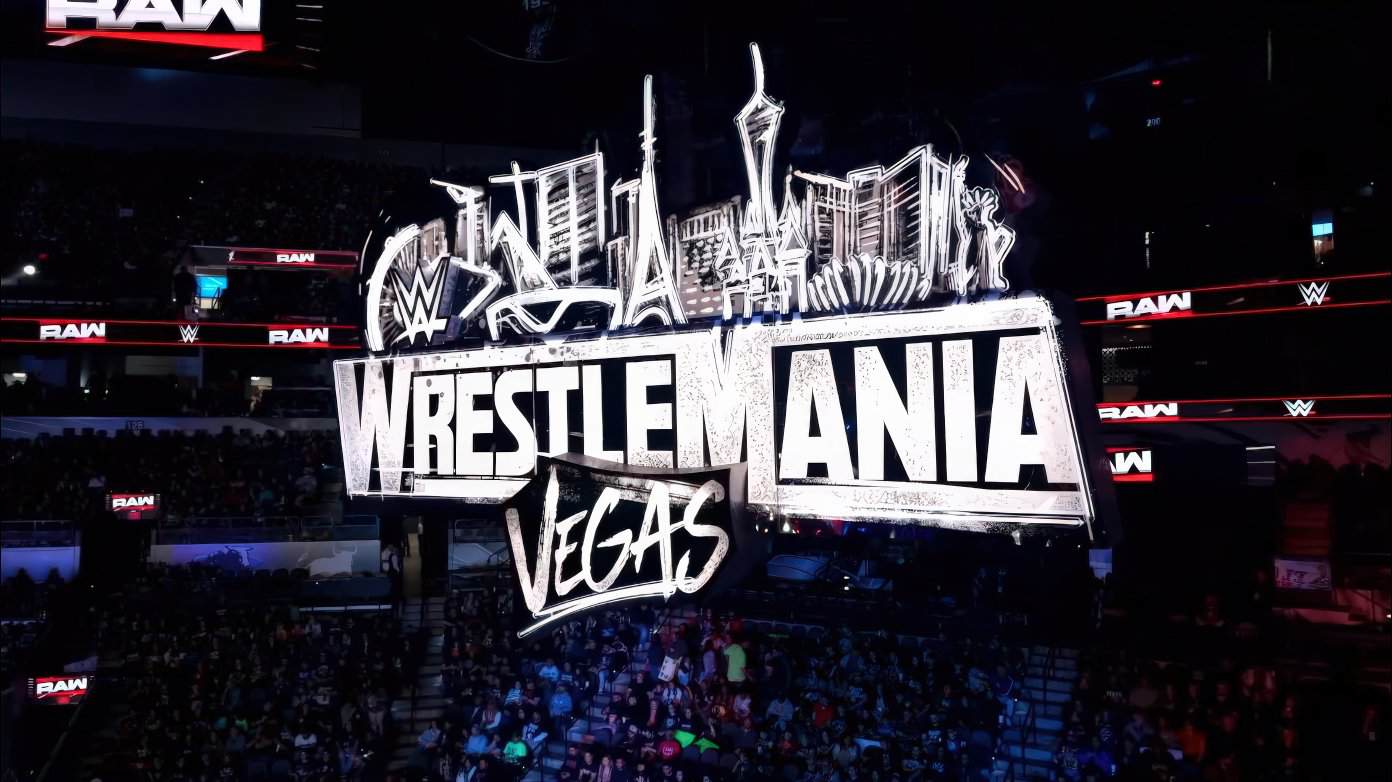
It is April 14, 2026, and if you listen closely, you can hear the sound of heavy machinery echoing throughout Allegiant Stadium. We are exactly five days away from WrestleMania 41 in Las Vegas, and the corporate gears of WWE have officially shifted into overdrive. As the stage crew works through the night to build a set that likely cost more than the GDP of a small country, the rest of the world is realizing that this isn't just a two-night card anymore. It is an all-consuming cultural event.
Reports out of Nevada indicate that the pre-show rehearsals have already kicked off, turning the stadium into a closed-set laboratory for the showcase of the immortals. While fans online are busy dissecting whether the main event should be a triple threat or a singles match, TKO is treating this week like a military operation. They are pouring resources into a media blitz that aims to make it impossible to walk down the Las Vegas Strip without seeing a wrestler's face or hearing a theme song.
The danger of over-production
There is a fine line between scale and soul, and WWE loves to play tag with that boundary. When you see the sheer physical volume of gear being trucked into Vegas, you have to ask if the actual wrestling can possibly keep up with the spectacle. We saw a similar excess during the build to WrestleMania 38, where the pyrotechnics budget could have bought a small fleet of private jets, yet the actual matches underdelivered on the second night. The stage is massive, but it needs to frame a classic, not just a glorified photoshoot.
The media push is another animal entirely. It feels like every performer on the roster is currently strapped into a media tour, appearing on talk shows and local news affiliate segments that they probably don't want to be at. While it elevates the product in the eyes of casual fans, I do wonder about the fatigue factor for the athletes. You have guys running from a radio spot to a physical rehearsal in full pads, and the margin for error during these marathon weeks is razor thin.
The logistics of a marathon card
Let’s be real about the physical toll on the performers. A WrestleMania week is not just 120 minutes of television; it is a week of PR, charity appearances, and grueling rehearsals that keep these bodies from resting. By the time the bell rings for the opening match on April 19, some of these stars will have been on their feet for 72 hours straight. The booking committee must be smarter with these schedules.
We have seen the recent reports regarding the massive stage build, which essentially cements WWE’s status as a touring rock concert rather than a pure athletic promotion. It works, and the money obviously follows, but it adds a layer of artificial pressure to the matches. If the set cost $50 million to assemble, the stakes for every botch or slow sequence become infinitely higher in the eyes of the corporate suits. They aren't just selling wrestling moves; they are selling a sensory overload.
Despite my cynical take on the heavy-handed corporate strategy, I am still glued to the screen. That is the genius of the machine TKO is running. They know that even when you roll your eyes at the unnecessary media clutter, you are still going to watch. You will watch because when they finally kick off the show and the lights hit the ring, there is nothing in sports that captures the same scale.
The scheduling is the one thing that gives me pause. By packing the week with so many mandatory appearances and rehearsals, they are cannibalizing the rest of their own roster. We have seen previous instances where the Raw broadcast felt like an afterthought while the production team prepared for the big weekend. If they spend all their capital on the pre-show buildup, what is left for the actual execution when the cameras go live? The answer better be a barn-burner of a main event.
Ultimately, WWE is betting that the size of their stage will dictate the quality of their product. It is a bold, expensive, and loud strategy that defines the modern era of the company. Whether the action between the ropes measures up to the 20,000 square feet of LED screens is entirely on the talent. For the sake of the fans paying thousands to sit in the nosebleeds, I hope they remembered to leave some energy for the actual fighting.