The Hierarchy of Modern Wrestling
Professional wrestling moves at a breakneck speed, and the last 15 months have rewritten the record books. This list evaluates the most significant occurrences from January 2025 through today, April 14, 2026, prioritizing impact, execution, and long-term consequences for the industry.
The Critical Countdown
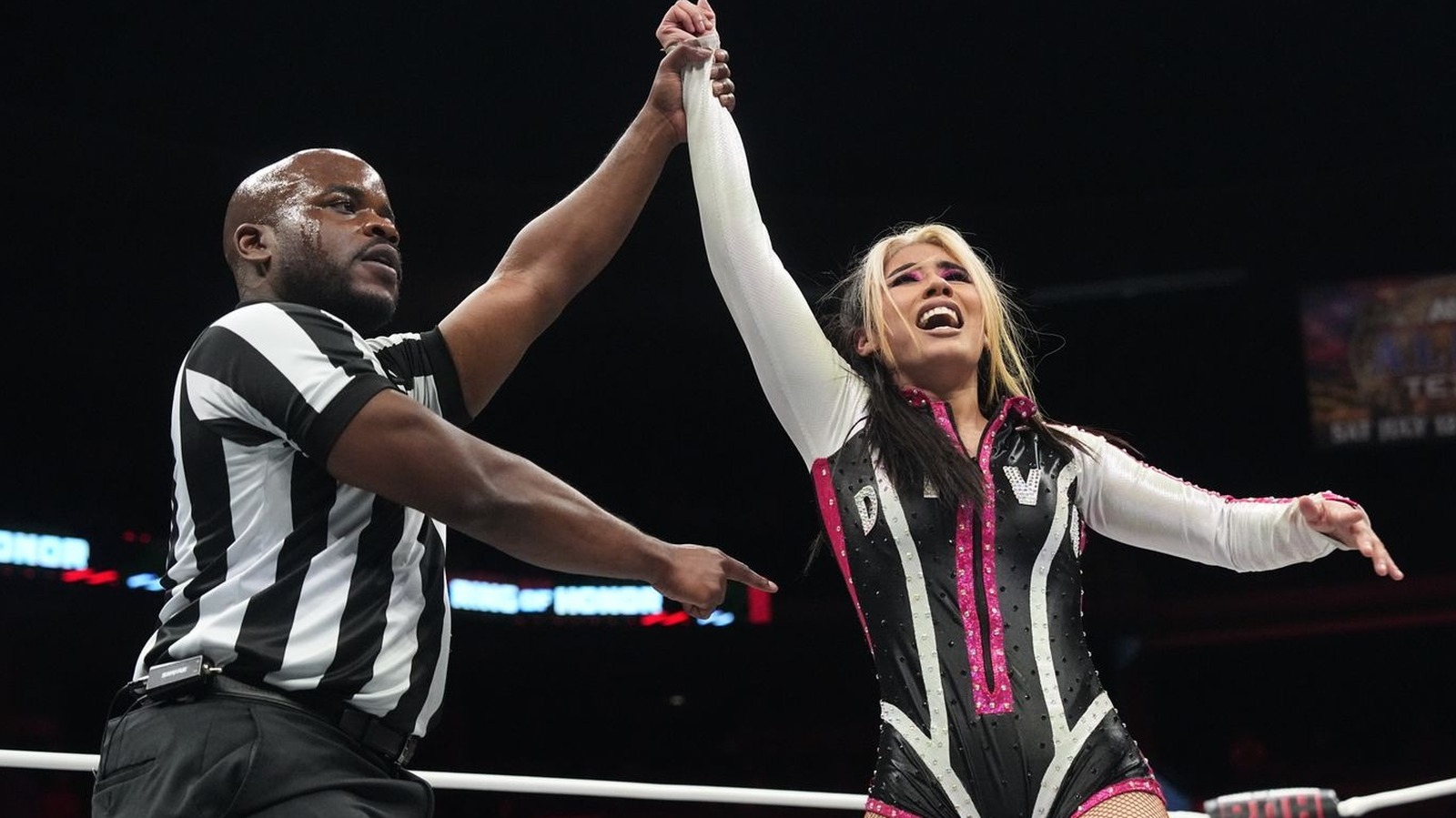
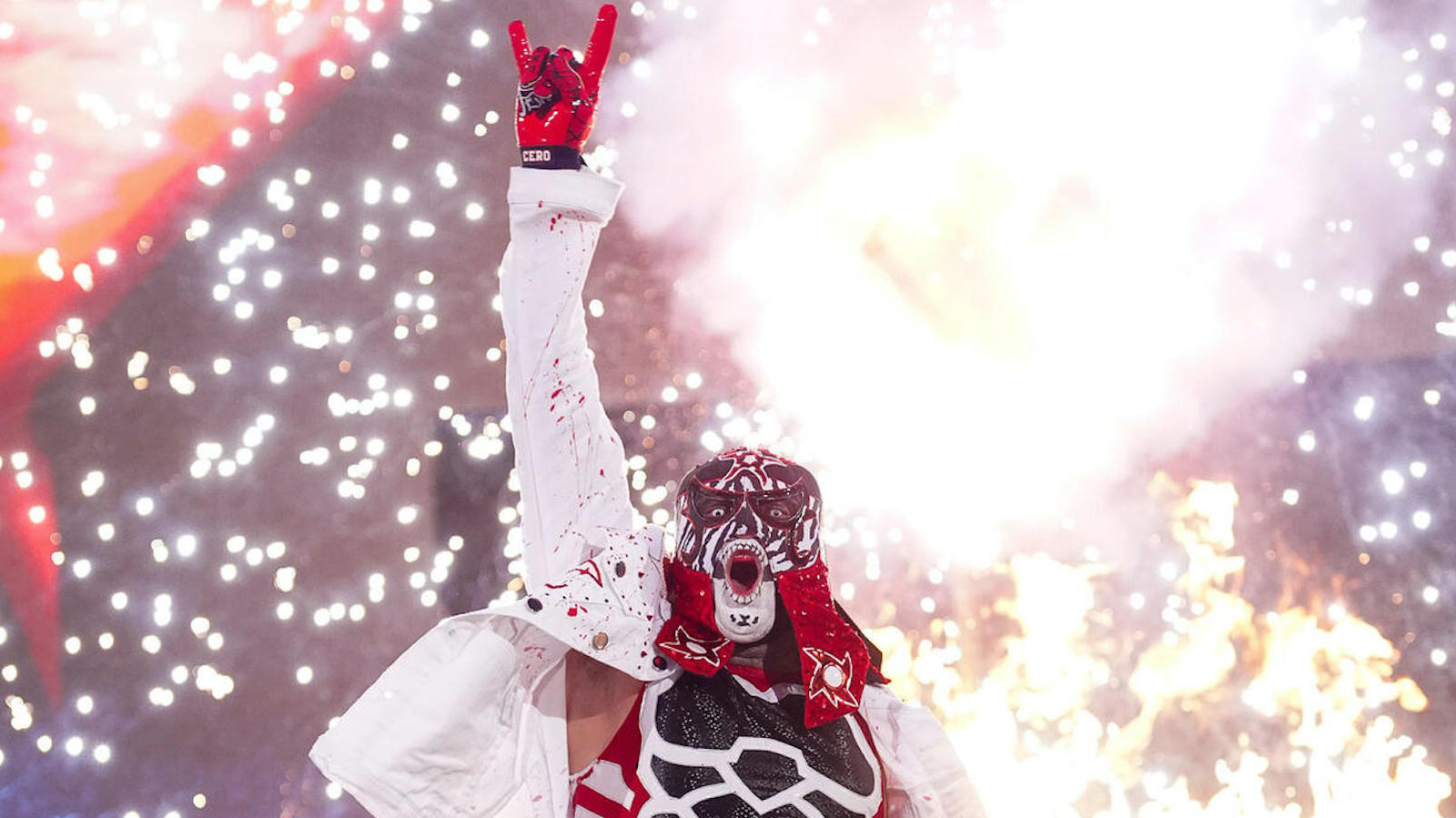
1. Penta’s Title Win: In March 2026, Penta secured his first championship in WWE, roughly 14 months after his January 2025 debut. It was a fast-tracked ascent that defied early industry skepticism regarding his ability to adapt his Lucha style for the Stamford production house. His technical output in this run is elite, though his character work remains prone to awkward pacing issues.
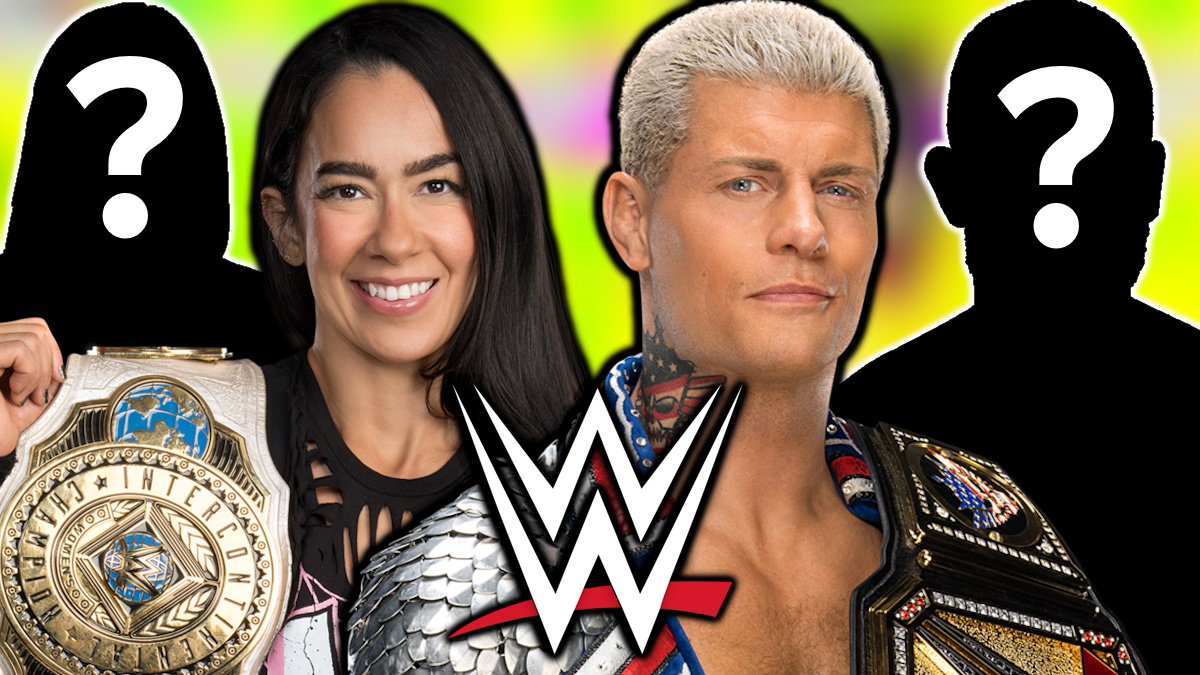
2. The Cody Rhodes-Randy Orton Schism: Watching Orton target Rhodes sparked a narrative firestorm that peaked throughout March 2026. The phone call segments became a repetitive drag, but the physical follow-through at recent live events validated the slow-burn approach. It ranks below Penta because the mystery elements were frequently frustrating rather than compelling.
3. Jordynne Grace’s Hall of Fame Resurgence: Grace reclaimed her spot in the spotlight immediately preceding the NXT Revenge cycle. Her return eliminated the noise surrounding her free agency period and solidified her status as a top-tier asset. It earns the bronze spot for the sheer clarity it brought to the women’s division.
4. The Mystery Caller Reveal: While fans spent weeks playing crime lab detectives, the realization that the caller was a legacy competitor felt like a letdown. It ranks fourth because the payoff failed to match the month-long buildup. Fans expected a seismic shift; they received a predictable narrative beat.
5. NXT Revenge Week One: This event proved that developmental can carry a network’s ratings load during a busy spring slate. The card quality was high, yet the pacing suffered from unnecessary intermission segments that dragged the show to a 3-hour duration. It provided a glimpse of the future without fully shedding the flaws of televised wrestling.
6. The WWE/AEW Free Agent Shuffle: Throughout late 2025, the industry saw unprecedented movement between locker rooms. This fluidity made the sport unpredictable but diluted the brand split's impact, as talent essentially became interchangeable. The constant turnover is great for wrestler pay but complicates long-term booking.
7. The Winter 2025 PPV Circuit: The quality of matches increased across the board, specifically regarding mid-card title defenses. Booking teams stopped protecting secondary titles as much, leading to more frequent title changes. This volatility kept audiences engaged, even if it lessened the prestige of the belts.
8. The Rise of Global Scouting: WWE’s aggressive expansion into international markets, as noted by various trade analysts, effectively squeezed independent promotions out of top-tier talent. This is a negative trend for the health of the broader industry but a clear win for the corporation’s expansion strategy. It ranks low because it eroded regional wrestling variety.
9. The Technical Revolution: 2025/2026 has been defined by a shift toward faster in-ring sequences. Matches that once lasted 20 minutes are now condensed into high-intensity 12-minute sprints. This is efficient, though it occasionally sacrifices essential character downtime inside the ropes.
10. The Unified Rules Experiment: The attempt to streamline officiating protocols across major promotions in early 2026 met with mixed results. While it reduced confusion, it also took away the unique flavor that different promotions brought to their refereeing styles. It rounds out the list as a necessary evil for corporate branding.
The Big Picture
The industry is shrinking in terms of variety but growing in terms of production reach as we approach WrestleMania 41. Consolidation is the theme, with athletes like Penta proving that veterans can thrive in new environments if they accept the constraints of the system. We are watching a tightening of the screws.
Honorable Mentions
The failed attempt to launch a secondary mid-week show from a major promotion gets a nod for its sheer level of wasted budget. Additionally, the brief, disastrous attempt to bring back hardcore-style segments in arenas not equipped for them highlighted a failure in site planning for the 2026 tour. These misses serve as cautionary tales for a business currently obsessed with scale over substance.