The Most Televised Hug in Pro Wrestling
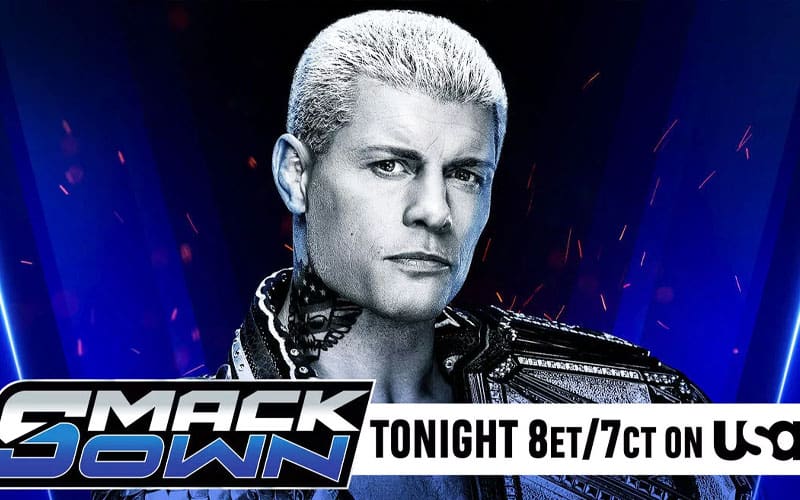
So there it was. The final image from the go-home Smackdown before WrestleMania 41. Not a steel chair shot. Not a bloody staredown. Not a chorus of boos raining down on a dastardly heel. It was a hug. An earnest, seemingly genuine, on-camera embrace between the WWE Undisputed Champion Cody Rhodes and the returning anti-hero CM Punk. And if you didn’t immediately get a sinking feeling in your stomach, you haven’t been watching this sport long enough.
Let’s call it what it was: a moment so manufactured, so squeaky-clean, it felt less like the culmination of a tense story and more like a corporate team-building exercise. The PWTorch post-show podcast aptly described the segment as a "kumbaya moment," and they weren't wrong. This was WWE, in its infinite wisdom, presenting its two most popular, merchandise-moving, ticket-selling stars as best buddies on the eve of their biggest battles. It’s a bold strategy. It’s also, quite possibly, a creatively bankrupt one.
The Narrative vs. The Reality
On paper, the logic is sound. You have Cody Rhodes, the man who finished his story, vanquished the seemingly unbeatable Roman Reigns, and now stands as the definitive top babyface of the promotion. He is the standard-bearer, the ultimate professional, the guy who kisses babies and poses for pictures with a smile that never falters. He is, for all intents and purposes, the new John Cena, but with a better moveset and a more interesting backstory.
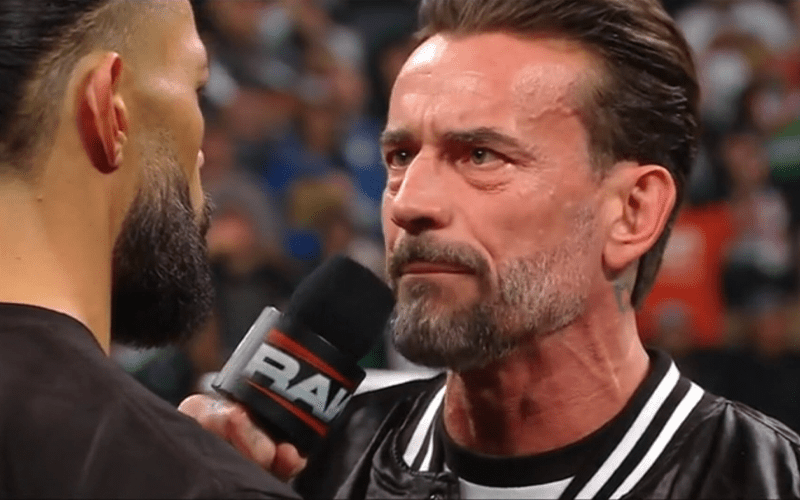
Then you have CM Punk. The prodigal son returns, not with his tail between his legs, but with a chip on his shoulder the size of a cinder block. He’s the voice of the voiceless, the guy who will still burn a bridge at the slightest provocation. He is chaos incarnate, a walking, talking pipe bomb whose entire persona is built on being the antithesis of the corporate champion. Putting these two men in the same ring is narrative gold precisely because they are oil and water. They represent two fundamentally different philosophies of what it means to be a main-event star in the 21st century.
So what does WWE do with this simmering vat of potential conflict? They have them hug it out. They present a united front. The message is clear: these two top guys are on the same page, ready to lead the company into a new era, side-by-side. It’s a tidy, simple story. And that’s the problem. Wrestling isn’t supposed to be tidy or simple. It’s supposed to be messy, emotional, and unpredictable. This felt like a boardroom decision, not a story beat.
The Slow-Burn Betrayal Everyone Sees Coming
The most generous interpretation is that this is the start of a long, agonizingly slow-burn heel turn for Punk. That the hug was chapter one in a novel that ends with Punk metaphorically (or literally) stabbing Cody in the back. The problem with this theory is that it’s painfully obvious. We’ve all seen this movie before. The friendly rivalry that sours, the respect that curdles into jealousy, the inevitable challenge for the top spot. By telegraphing the eventual conflict with a moment of saccharine friendship, you drain the turn of its potential shock value.
A better story, a more compelling story, would have been to let the tension simmer. Let them coexist, but barely. Let the audience see the cracks in the facade. Let them argue over strategy, over ideology, over who is the *real* soul of the company. Instead, we got a hug. As Wade Keller and Joshua White discussed on their Smackdown review, the focus was on this moment of unity, and it feels like a deliberate attempt to present a sanitized version of what should be a volatile relationship.
This is my one major criticism of the current WWE product under the new regime: a tendency to over-explain and over-produce moments that would be better served by ambiguity. Not every relationship needs a label. Not every alliance needs a hug. Sometimes, the most interesting thing you can do is put two combustible elements in a room and let the audience wonder when the explosion is coming. By having them shake hands and smile for the camera, you’re essentially telling the audience, "don't worry, the explosion is coming, but not for a few months, so just enjoy the peace and quiet for now."
WrestleMania Weekend and the Aftermath
This pre-Mania pact effectively guarantees no shenanigans between the two this weekend. Cody will defend his title, and Punk will have his own high-profile match, and we can be sure neither will interfere in the other’s business. It’s a safe, predictable route for the biggest show of the year. But the real story begins on the Raw after WrestleMania.
If both men are victorious, they stand as the two conquering heroes. The hug on Smackdown will be replayed, hailed as the moment the two titans aligned. But that alignment is a house built on sand. CM Punk’s entire history, from his infamous WWE walkout to his tumultuous time in AEW, is a testament to his inability to play nice in the sandbox for long. He is inherently disruptive. Cody, meanwhile, has become the ultimate company man. He wears the suit, he does the morning talk shows, he represents the brand. The ideological chasm between them is too vast to be bridged by a single hug.
So we watch and we wait. We wait for the first passive-aggressive comment in a promo. We wait for the first time one of them inadvertently costs the other a match. We wait for the inevitable moment when CM Punk decides that being second-best to the new golden boy isn’t what he came back for. The betrayal is coming. It’s not a question of if, but when. The only question is whether the audience will still care when it finally happens, or if they’ll just be relieved that the phony friendship is finally over. The hug wasn't the story; it was an advertisement for a story we've all seen before. And for a product that has been so creatively vibrant for the last two years, it felt like a rare, disappointing step backward.