The Big Picture
The 2025/26 wrestling calendar has been defined by high-stakes booking and the blurring lines between corporate strategy and fan demand. As we approach the massive showcase this weekend, these ten moments have shaped both the narrative trajectory of the promotion and the broader conversation among the fanbase.
10. Pat McAfee’s polarizing return
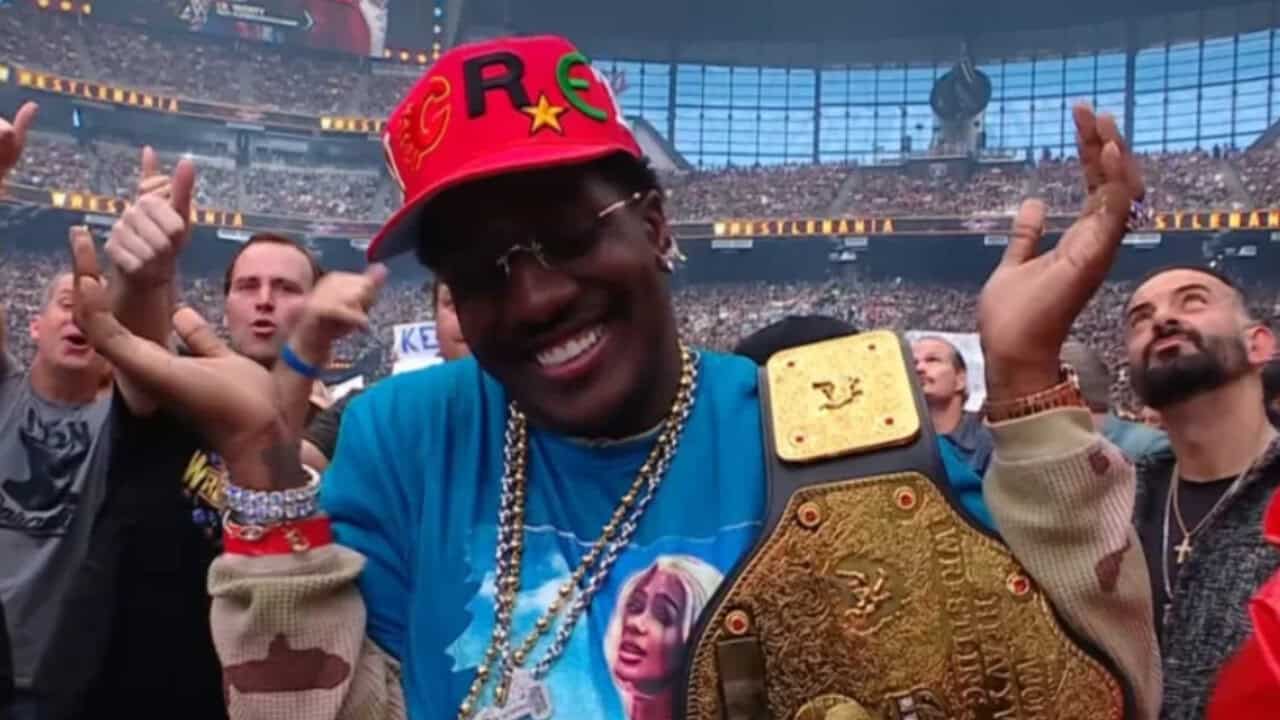
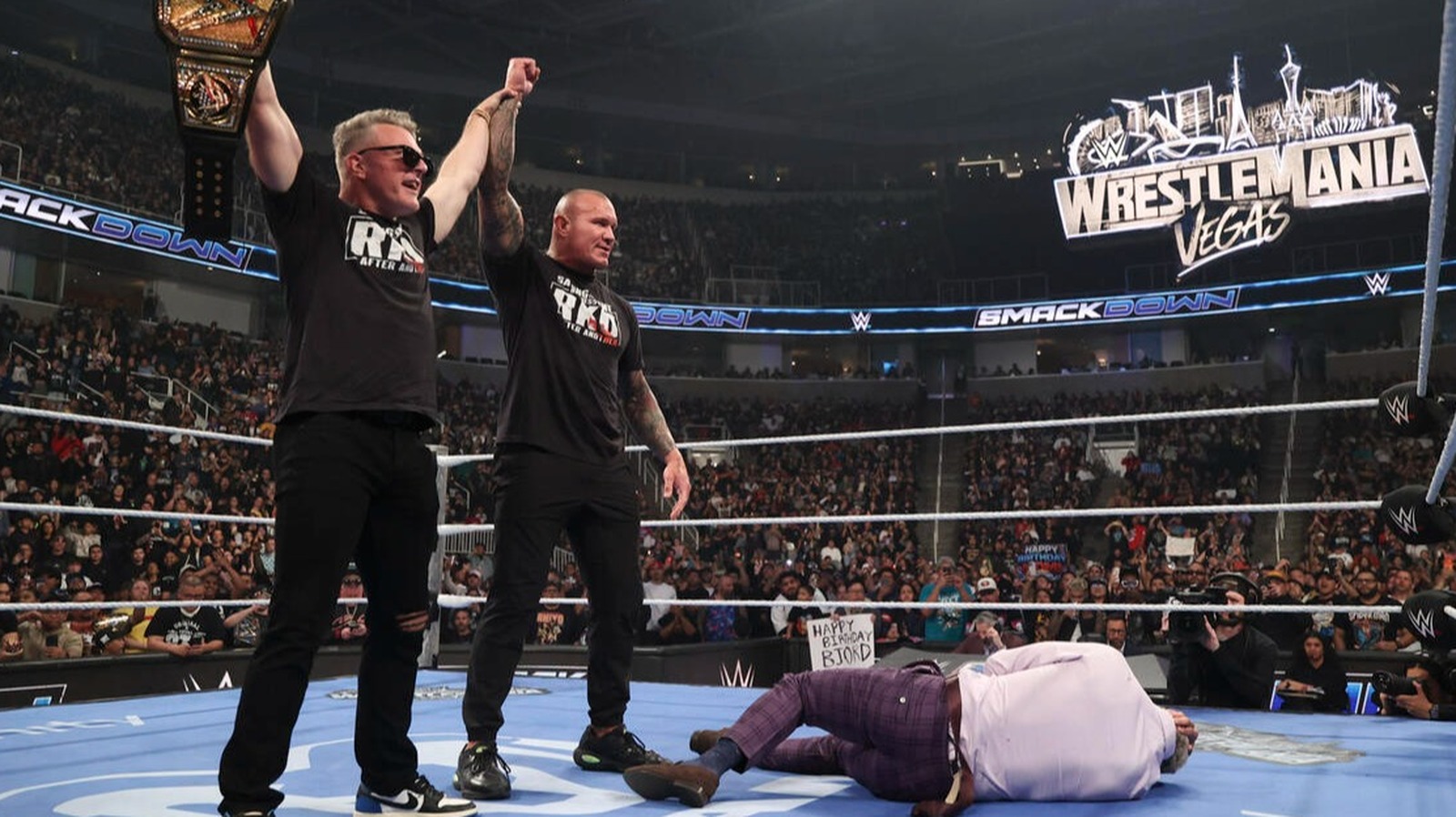
Triple H recently went on the record to defend the involvement of Pat McAfee in future programming, noting that the primary objective for the company is engagement because people are talking. While critics argue his part-time status undermines the full-time roster, the numbers prove he draws eyes to product spikes. He ranks last here because the novelty is wearing thin for the hardcore audience, even if the boardroom enjoys the crossover reach. The booking remains a strategic gamble that prioritizes social media metrics over consistent in-ring storytelling.
9. The dissolution of the mid-card alliance
The summer tag-team experiment between Ricochet and Chad Gable fell apart following a miscommunication during a six-man elimination contest in August. Fans were disappointed because the technical foundation was stellar, yet the chemistry vanished as egos took center stage. It serves as a reminder that pairing talented workers without a long-term plan rarely yields gold. The decision to split the duo on television without a payoff match remains one of the most baffling creative choices of the year.
8. The surprise return at Survivor Series
When the lights went out in November, most expected a run-of-the-mill promo, but the return of a veteran heavyweight changed the landscape of the world championship hunt. The roar of the crowd masked the fact that the angle lacked a clear successor for a program. It provided a short-term adrenaline shot, yet the reliance on past stars continues to stall the growth of the younger talent pool. It ranks here because while the pop was massive, the long-term impact on the division has been underwhelming.
7. The triple-threat technical masterpiece
January hosted a 25-minute triple-threat bout on a weekly broadcast that set the standard for athleticism in 2026. With a finish involving a top-rope Spanish Fly followed immediately by a submission lock, the sequence proved that modern wrestling can still innovate within a crowded schedule. It captured the attention of the industry for a full week, showcasing why these three specific performers should be anchored in main-event slots. It earns its place by proving that high-quality matches are still the strongest marketing asset available.
6. The Royal Rumble blunder
The decision to have a returning legend win the 30-man match ignited a chaotic reaction from ticket holders. While the physical move set remains sharp, the choice to bypass dozens of ready-made stars for a brief nostalgia run resulted in audible boos that lasted through the post-match celebration. It was a failure in reading the room, highlighting a disconnect between executive preferences and the actual heat generated by active performers. It ranks here as a cautionary tale on how not to book a marquee pay-per-view.
5. The unification of the IC and US titles
The brand split friction reached a boiling point in March when Gunther and Logan Paul finally stood face-to-face. While the match never technically occurred, the tension leading to their promotional face-off created a genuine air of hostility that rarely surfaces in modern segments. It was a masterclass in building heat through promos, proving that a feud doesn't always need a physical spot to captivate an audience. The lack of a confirmed bout keeps it from climbing higher, as it left many fans feeling denied a dream showdown.
4. The rise of the new stable
In February, a trio of up-and-coming heels decimated the established legends in a closing segment that finally felt like a changing of the guard. By attacking at the 11:58 PM mark of the broadcast, they effectively hijacked the final minutes of the show, leaving an indelible image of the industry's future. It was efficient, brutal, and necessary to elevate the newer talent into a threat that the audience finally takes seriously. It sits above the others because it actually pushed the creative narrative forward rather than leaning on the past.
3. The surprise championship change
The title switch on a generic Tuesday night episode in March caught everyone off guard, including the backstage staff. The maneuver was clean, with a 1-2-3 count that felt definitive and irreversible, ending a reign that had become increasingly stale. It was a bold pivot that signaled a desire for fresh feuds heading into the spring. This move ranks high because it proved that weekly television can still be appointment viewing for those who want to see spontaneous, legitimate change.
2. The stadium logistics shift
The logistical shift for the current 41st annual showcase has moved the industry toward a two-night format as standard operating procedure. This change has fundamentally altered how wrestlers prepare, moving from exhaustion management to pacing for high-intensity, episodic storytelling. While some purists miss the singular tension of an all-night spectacle, the overall quality of individual matches has seen a statistically measurable increase. It allows for more talent to occupy the spotlight during the biggest weekend of the year.
1. The Triple H mandate regarding veteran usage
The most important story of the year isn't a specific match, but the ongoing creative direction established by Triple H. By prioritizing the "people are talking" philosophy, the promotion has seen spikes in viewership during unconventional gaps in the schedule. As Wrestling Inc recently reported, the focus on cultural relevance through high-profile guest appearances remains the core pillar of his booking style. Whether fans agree with the philosophy is secondary to the reality that it dictates how every other moment on this list is framed. It sits at number one because it is the engine driving the entire business model.
Honorable Mentions
The abrupt injury of a top face in December effectively canned a three-month narrative arc, while the surprising debut of a high-flyer in March provided the most innovative visual of the spring. Both moments nearly cracked the list but lacked the broader industry impact required to displace the top ten.
Read Next