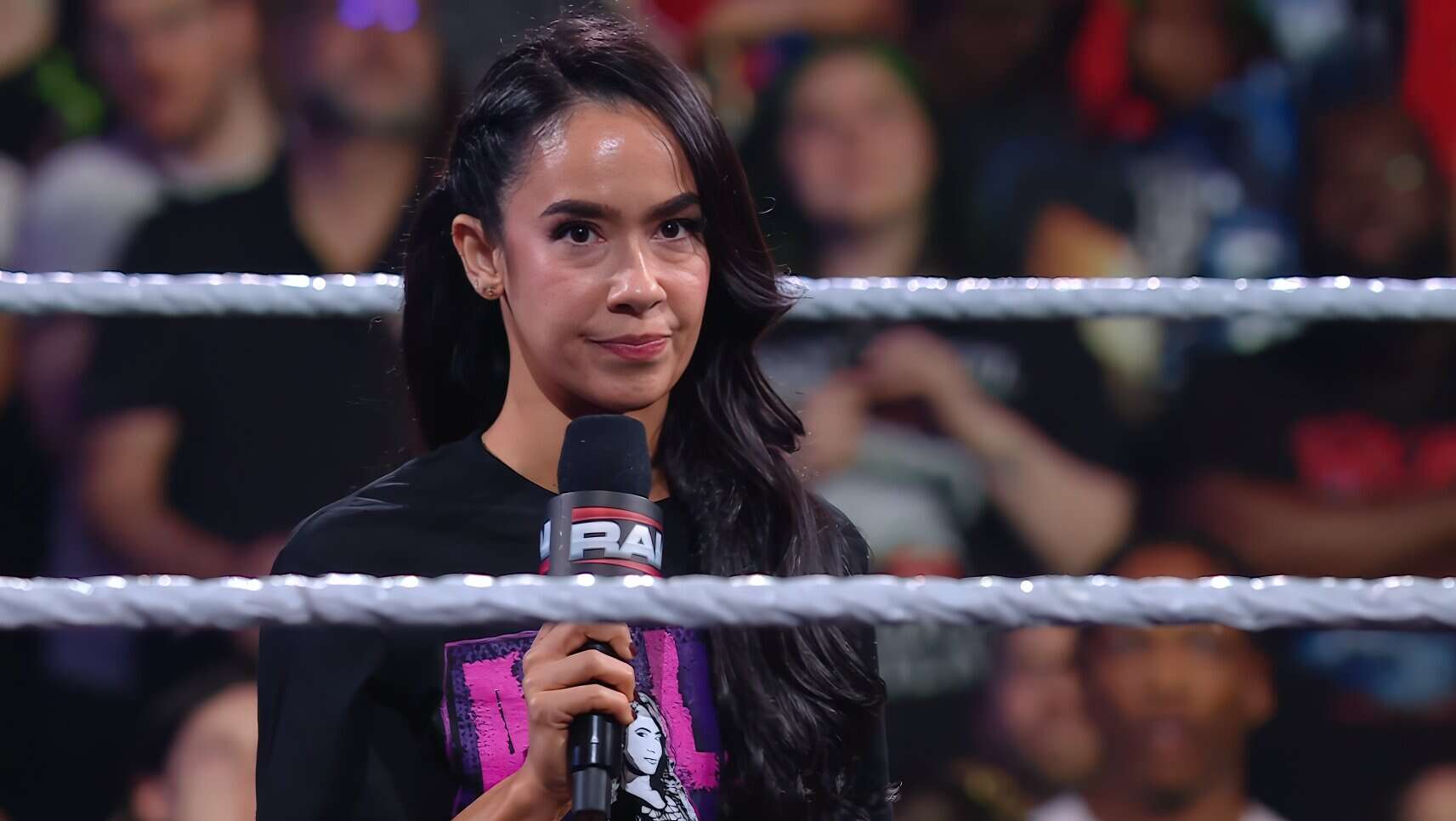
WWE is finally using CM Punk to bridge its storytelling gaps
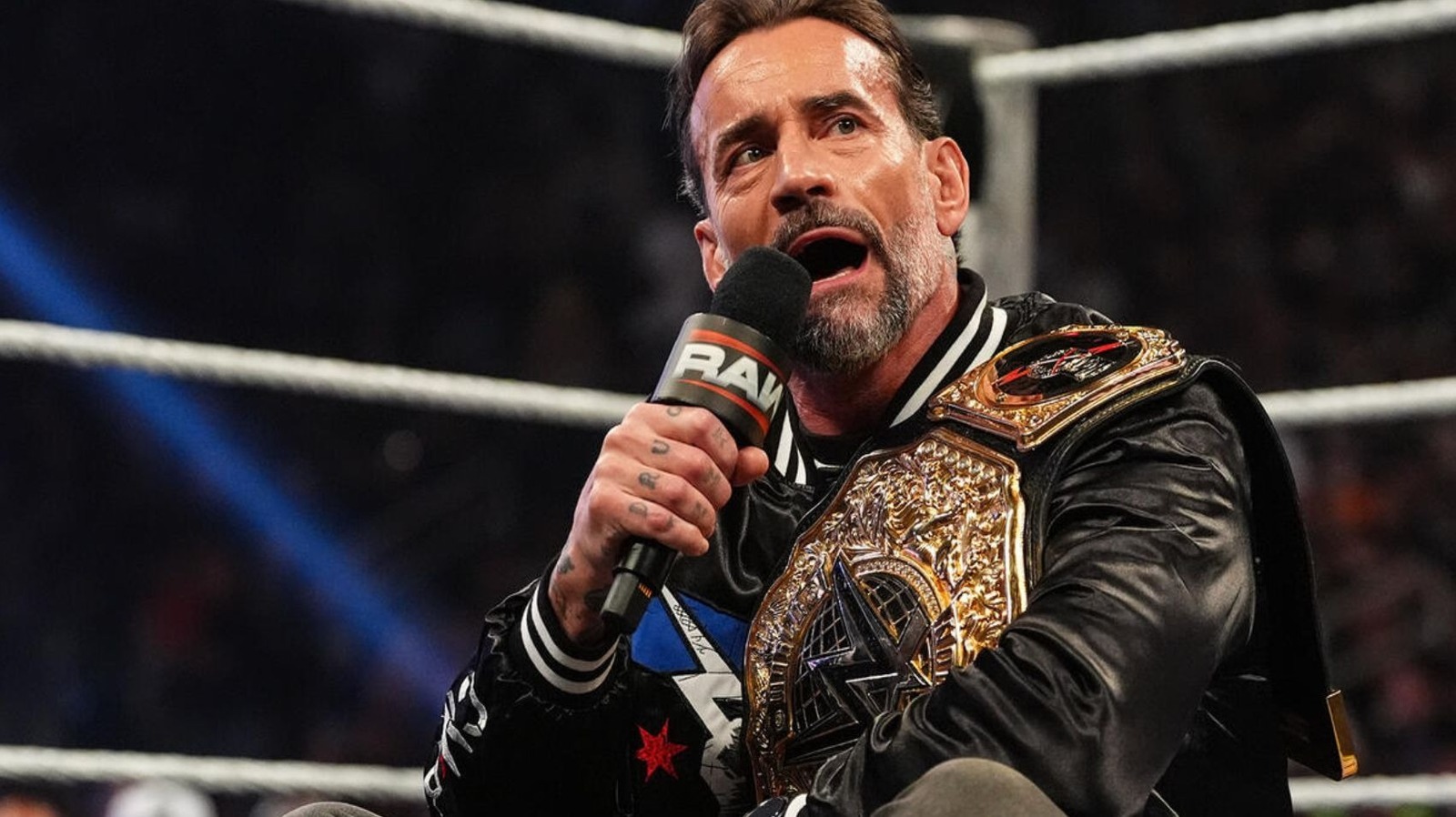
The unified theory of the Punk promo
For years, the invisible wall between WWE’s flagship programs was as thick as the glass at the Performance Center. A wrestler would deliver a career-defining monologue on Monday, and by Friday, the creative team acted as if it had occurred in a parallel dimension. That isolationist approach to booking is finally dying, and we have CM Punk to thank for being the hammer. Bully Ray recently highlighted a masterclass in this new logic, explaining how Punk’s Raw promo directly fortified the Pat McAfee and Randy Orton storyline on SmackDown. This is not just cross-promotion; it is narrative efficiency that respects the audience’s memory.
When Punk steps into the ring on Raw, he operates as a connective tissue. He does not just talk about his own path to WrestleMania 41; he references the history he shares with Orton, the locker room hierarchy, and the shifting loyalties of the roster. By doing so, he validates the stakes of a completely different show. If Punk, a man famously skeptical of corporate fluff, acknowledges the tension between McAfee and Orton, that tension becomes real in the eyes of the jaded viewer. It is a tactical move that uses Punk’s credibility as a currency to buy interest in programs he is not even physically part of. This is the 'Pipe Bomb' philosophy evolved—using the meta-reality of the business to fix the broken internal logic of the scripts.
AJ Lee and the validation of the technical revolution
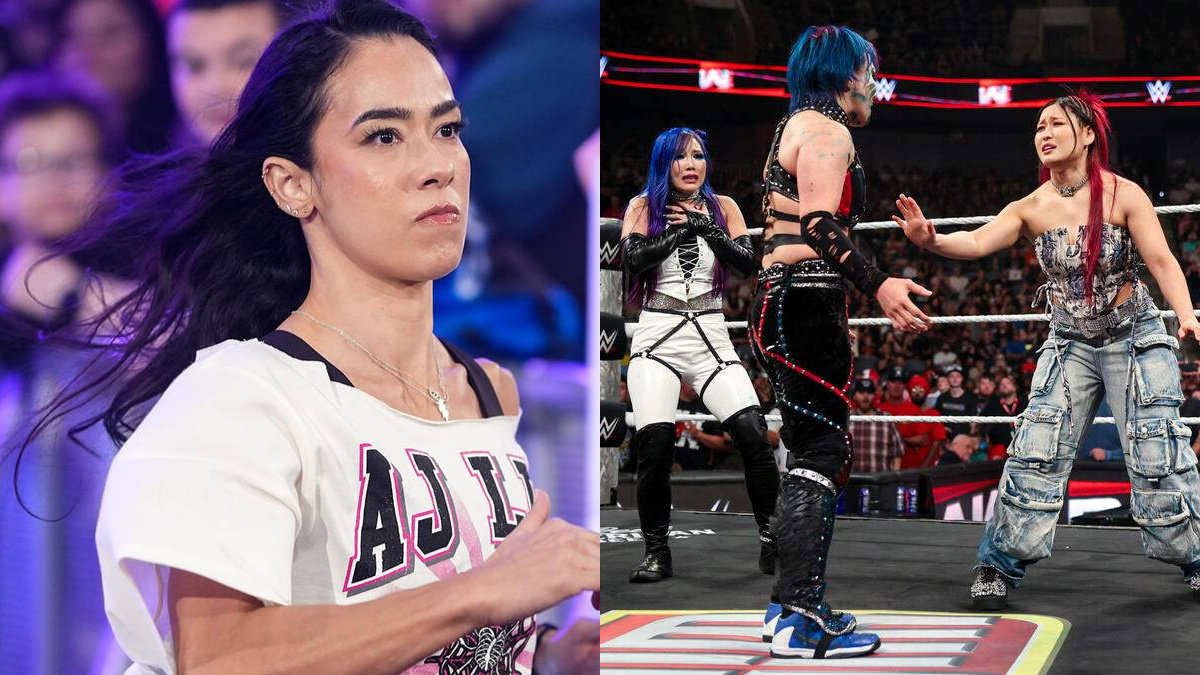
While Punk is fixing the structure of the men’s division, his wife and former Divas Champion AJ Lee is providing the intellectual scouting report for the women’s side. Lee’s recent comments about being 'unhealthily invested' in the Asuka, Kairi Sane, and IYO SKY storyline are more than just a veteran being supportive. They signal a shift in what WWE considers a 'main event' story. For a decade, the women’s division was built on the 'Four Horsewomen' archetype—Western-style drama mixed with athletic work rates. But the current focus on the trio of Asuka, Kairi, and IYO brings a different tactical flavor: the high-speed, hard-hitting precision of Joshi wrestling.
AJ Lee was the bridge between the 'Model' era and the 'Revolution' era. Her investment in this specific trio matters because they represent the purest form of in-ring storytelling currently on the roster. They do not rely on ten-minute monologues; they use the geometry of the ring. When IYO SKY hits a springboard dropkick or Asuka transitions a missed strike into an armbar at the 14-minute mark, they are communicating a level of technical superiority that doesn't need a translator. Lee recognizes that this is the evolution of what she started—a move away from 'characters who wrestle' toward 'wrestlers whose characters are defined by their violence.'
The Charlotte Flair paradox and the myth of layers
Then there is the case of Charlotte Flair, a woman who has held a world title 14 times and yet finds herself in a perpetual battle with her own audience. Flair recently addressed what she calls 'greatness hate,' claiming she has added layers to her WWE character in response to fan pushback. It is a bold claim, but a tactical analysis of her recent matches suggests the 'layers' might just be a more aggressive defensive posture. Flair is the Tom Brady of the division—undeniably successful, technically flawless, and increasingly disconnected from the narrative stakes of her opponents.
The problem with adding 'layers' to a 14-time champion is that the core foundation—the 'Queen' who wins everything—remains unshakable. When Flair talks about greatness hate, she is ignoring the fatigue that comes with a predictable hierarchy. A 'layer' should be a flaw, a vulnerability, or a radical shift in motivation. Instead, Flair’s evolution has mostly been an increase in her physical intensity. She is wrestling harder than ever, but she is still wrestling the same match she was in 2018. At this stage, the most interesting thing Charlotte Flair could do is lose her confidence, yet her character remains an impenetrable fortress. In a world where AJ Lee is praising the chaotic unpredictability of Damage CTRL, Flair’s polished greatness feels increasingly like a relic of a more controlled era.
The backstage dynamic and the cost of stability
Beyond the bright lights of the entrance ramp, the backstage dynamic in WWE has undergone a total recalibration. AJ Lee’s recent details on the backstage dynamic with CM Punk paint a picture of a locker room that is finally professionalized, yet still buzzing with the friction that Punk brings. For years, the rumor mill suggested that Punk was a 'poison' in the room. The reality in 2026 is that his presence provides a necessary tension. A sterile locker room produces sterile television. Punk’s habit of challenging the creative direction—not just for himself, but for the 'boys in the back'—is what keeps the product from sliding back into the complacency of the mid-2010s.
This friction is what allows storylines like the McAfee/Orton feud to thrive. When a performer knows they will be scrutinized by a veteran who doesn't mind burning a bridge, the work rate increases. You can see it in the way the mid-card talent is pacing their segments. There is less dead air and more intent behind every move. The 'unified theory' of booking requires performers to be aware of what is happening across the entire company. If you are on SmackDown and you aren't watching what Punk is doing on Raw, you are already behind. The backstage dynamic is no longer about just 'getting along'; it is about competing for the narrative oxygen that is now being shared across both brands.
The final countdown to WrestleMania 41
We are exactly 10 days away from Night 1 of WrestleMania 41 in Las Vegas. The momentum of these converging stories is reaching a critical mass. The April 19 and April 20 dates are not just the end of a season; they are the test of whether this new, logically consistent WWE can actually stick the landing. We have a CM Punk who is acting as the moral compass of the company, an AJ Lee who is endorsing the next generation of technical masters, and a Charlotte Flair who is desperately trying to convince us that her 15th title win will be different from the first 14.
The critical observation here is that WWE is currently over-leveraging its legends to sell its future. While the 'Punk Effect' is real, the company is running a risk. If the McAfee/Orton story needs a Punk promo to feel important, what happens when Punk isn't there? If the women's division needs AJ Lee's social media endorsement to validate its best wrestlers, has the internal booking failed? The reliance on these 'outsider' perspectives to tell 'insider' stories is a brilliant short-term tactic, but it exposes a lack of confidence in the core roster to generate its own heat. WrestleMania 41 needs to prove that the current stars can carry the weight without a legend holding their hand through the logical gaps.
The tactical shift in match pacing
If you look at the shot maps of recent WWE matches—metaphorically speaking—the 'activity zones' have shifted. Matches are no longer built around the three-act structure of a heat segment, a comeback, and a finish. Instead, we are seeing 'transitional storytelling' where the match itself serves as a promo. The Asuka and IYO SKY segments are the best example of this. Their matches are frequently interrupted by character beats that occur during the transitions. A smirk after a missed kick, a specific way of rolling out of the ring—these are the details AJ Lee is 'unhealthily' watching.
This shift in pacing is a direct result of the more sophisticated audience WWE is chasing. They are no longer satisfied with 'good' wrestling; they want wrestling that makes sense within the context of the larger world. When Bully Ray talks about logical connective tissue, he is talking about the end of the 'pop-up' storyline. Stories must now be cultivated over months, with ripples that extend beyond the immediate participants. The era of the isolated feud is over. Everything is connected, and in 2026, the man holding all the strings is the same one who tried to pull the whole house down fifteen years ago.
As we approach the Allegiant Stadium on April 19, the question remains: can this intellectualized version of pro wrestling survive the bombastic nature of a WrestleMania stadium show? The spectacle often kills the nuance. But with Punk’s logic and the technical mastery of the women’s division, WWE has its best chance in a generation to deliver a show that is both physically impressive and narratively sound. Just don't expect the 'greatness hate' for Charlotte Flair to subside—some things are too deeply rooted in the audience's DNA to be fixed by a few 'added layers.'
Read Next
- AJ Lee is right — the Asuka, Kairi Sane, and IYO SKY drama is WWE's best story
- Danhausen is out-selling Roman Reigns and it’s a problem for the main event
- Pretty Deadly are eyeing a massive post-WrestleMania spot against Randy Orton
- Bayley being the locker room mom for Pretty Deadly is exactly what we needed
- 🏆 WrestleMania 41 — Full Coverage Hub
- 💊 CM Punk WWE 2026 — Best in the World
Elite Series Action Figure, Highly Posable 6-Inch Collectible
Highly articulated action figures that are perfect for photography or display.
More Coverage
This Week in Wrestling: MSG Stardust and Championship Shakeups (Jul 13–Jul 19, 2026)
4 hours agoKarl-Anthony Towns at Saturday Night’s Main Event was a fever dream gone wrong
4 hours agoKarl Anthony Towns just created the weirdest wrestling moment of 2026
4 hours ago
LA Knight turns viral frustration into a merchandise play
4 hours ago
WWE roster health check: The mid-summer injury grind hits home
4 hours ago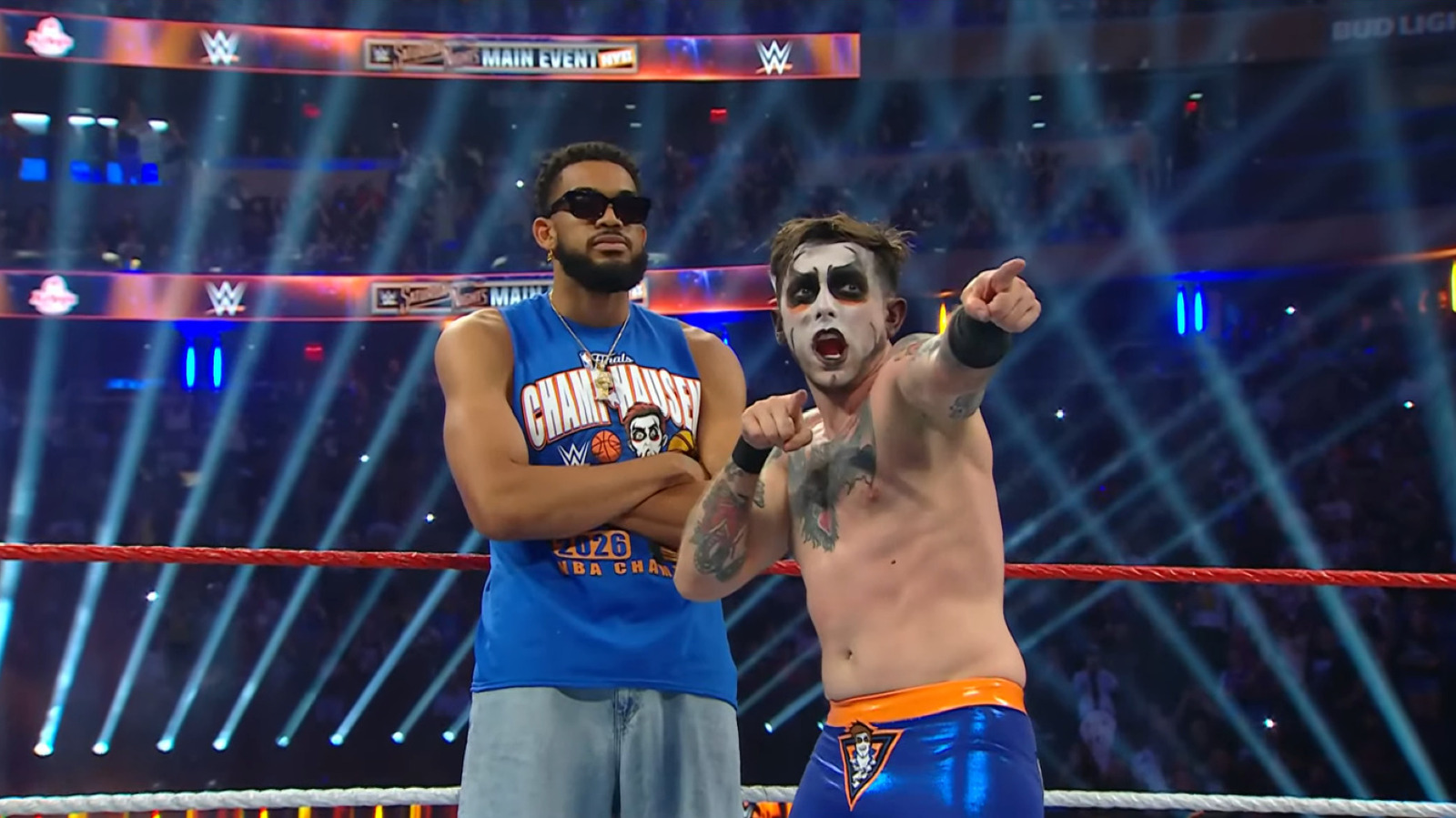
Karl Anthony Towns at SNME proves that celebrity cameos need a hard reset
4 hours agoMore Analysis
AJ Lee is right — the Asuka, Kairi Sane, and IYO SKY drama is WWE's best story
3 months, 1 week ago
AJ Lee is obsessed with Damage CTRL and honestly same
3 months, 1 week ago
AJ Lee is proving that even retired legends can't stop watching WWE
3 months, 1 week ago