The revolving door at the Performance Center spins again
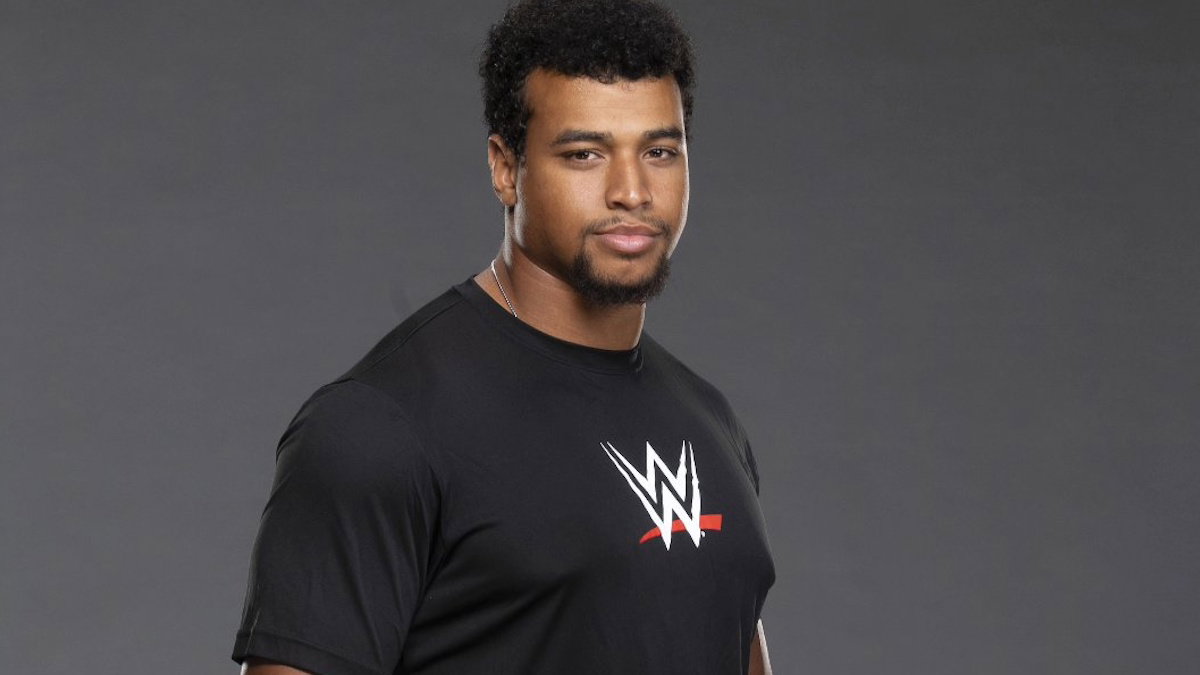
If you were hoping for a quiet week of wrestling news before the chaos of Backlash, keep dreaming. WWE developmental talent Francois Prinsloo announced his departure from the company, adding his name to a growing pile of releases that nobody seems to have a clear handle on. Prinsloo posted a brief note on social media calling his time in the organization a blessing, but for those of us watching from the nosebleeds, it feels like another gear in an endlessly churning machine.
The reaction online was predictably binary, split between the "performance metrics" crowd and those who see every release as a symptom of a larger, systemic ruthlessness. Some fans on the forums are taking the pragmatic route, arguing that the Performance Center has a limited number of slots and that not everyone is going to hit their stride. If you aren't moving the needle or developing that signature hook, the company clearly isn't interested in waiting for a miracle.
The divide between data and development
One faction of the fanbase is currently busy playing armchair booker. They point to the sheer volume of talent signed over the last two years and claim that pruning the roster is simple math, not a tragedy. These folks argue that the recent release of Francois Prinsloo is just business as usual, noting that raw athletes often struggle to bridge the gap between being a powerhouse and being a pro-wrestler. It is a harsh take, but in a company that just saw massive shakeups, the lack of sentimental attachment from the brass is hardly shocking.
On the flip side, you have the skeptical crowd who think WWE treats their development brand like a disposable coffee cup. They argue that constant releases create a culture of anxiety that kills creativity. If a talent is constantly looking over their shoulder to see if they are the next one out the door, how are they supposed to take risks in the ring or develop a unique character? When you treat human beings like variables in an Excel spreadsheet, you eventually run out of people the crowd actually cares about.
Is the NXT talent pipeline failing or just evolving?
My take? It is somewhere in the middle, but slightly leaning toward the idea that WWE has stopped caring about the long-term journey of their developmental prospects. They want plug-and-play stars who can travel to an RKO or a high-flyer spot on the main roster within 18 months, which is completely unrealistic for the vast majority of human beings. The expectation that every signee is a future main-eventer is setting them up for failure.
We saw this shift when they moved toward recruiting athletes from non-wrestling backgrounds. They expect these guys to walk into a ring, learn a full move set by Tuesday, and have the charisma of The Rock by Friday. It is a pipe dream. When an athlete like Prinsloo leaves, it’s not necessarily a reflection of his effort, but a reflection of a system that favors immediate ROI over actual, steady growth.
The most frustrating part is the silence. We get a social media post, a handful of reports, and then radio silence from the front office. There is zero transparency on what these guys are failing at or how they could improve. Is it the bump card? Is it the microphone work? Is it the fact that they don't have a signature move that pops the crowd? We never know. We just know that yesterday they were a prospect, and today they are an entry on a list of departures.
Going into Backlash, this stuff takes the shine off the product for me. It’s hard to get invested in an NXT mid-card match when you know the company is comfortable cutting ties the moment the creative team runs out of ideas. They are building a shark tank where the biggest shark does all the eating and eventually, there’s no one left to swim against. It is an efficient strategy for short-term profits, but it is a soul-crushing way to build a brand.
Bottom line? If you aren't doing something special, look over your shoulder. The company isn't interested in patience; they are interested in results. If you don't produce a highlight-reel moment in an 8-minute window, you are essentially dead weight. It’s a ruthless way to do business, but then again, professional wrestling has never been a charity, and it certainly won't start being one now.