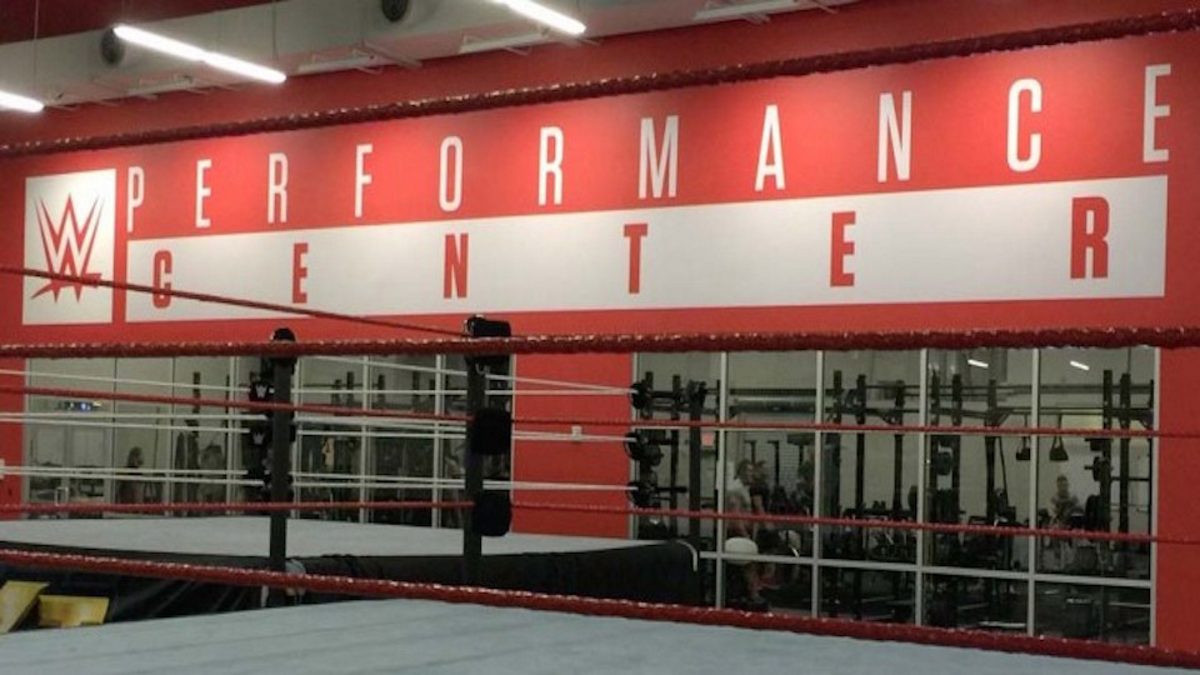
WWE is discussing a Baron Corbin return and it might actually work
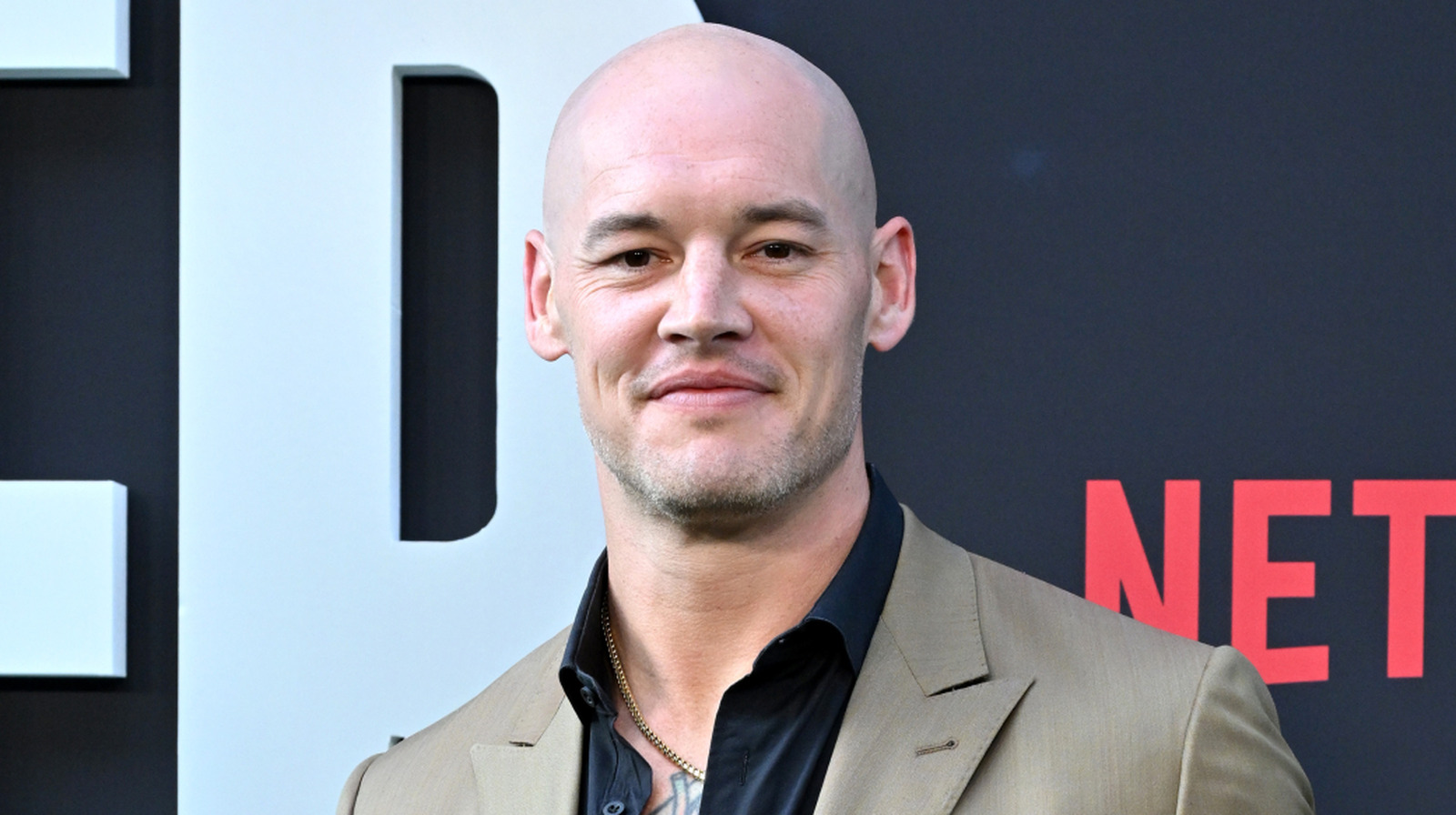
The News Nobody Asked For, But Might Actually Need
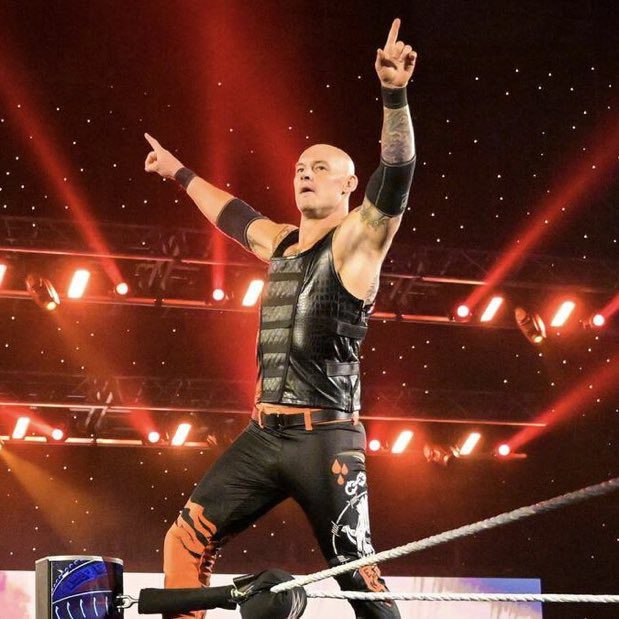
According to a report from Fightful Select, a potential Baron Corbin return has been discussed internally within WWE for several weeks. The man currently operating under the moniker Bishop Dyer might be heading back to Stamford. For a large portion of the audience, this headline induces an immediate, visceral groan.
They remember the dog food. They remember the suspenders. They remember the endless loop of Constable Corbin segments that dragged Raw to a grinding halt during some of its darkest creative periods.
But to dismiss Corbin based on bad booking is a failure of analytical framing. If you look past the gimmicks, you find one of the most structurally sound workers of the modern era. His release was surprising because it came precisely when he had finally found his footing again.
His return, if it happens, shouldn’t be viewed as a nostalgic retreat. It is a tactical acquisition for a roster that desperately needs reliable mechanics.
The Architecture of a Gatekeeper
Corbin was never a workrate darling. He doesn’t string together complex sequences of chain wrestling. He doesn't do Canadian Destroyers on the apron. But look at his match architecture.
He understands the geometry of a wrestling ring better than almost anyone on the current roster. He wrestles like a big man who actually understands spacing. He uses his frame to cut off the ring, physically blocking the babyface's escape routes.
His strikes are deliberate. He doesn’t throw wild haymakers; he throws heavy, measured punches that look like they hurt. When he hits the Deep Six, it’s a flawless transfer of kinetic energy. He usually catches the move off a rebound, using his opponent’s momentum against them.
It pops the crowd every single time, even when they supposedly hate him. The mechanics are just too crisp to ignore. And then there is the End of Days.
It remains one of the most protected finishers in wrestling history. It requires exceptional timing and cooperation, but Corbin delivers it with a snap that makes it look devastating. More importantly, he is an incredibly safe worker.
You simply never hear about guys getting injured working a program with Corbin. In a grueling schedule where nagging injuries can derail entire storylines, reliability is an undervalued currency. Corbin is an innings-eater.
The Mathematics of the Deep Six
If we want to talk about specific mechanics, we have to isolate the Deep Six. It is arguably the most beautiful signature move in wrestling today. Not the most dangerous, not the most complex, but the most mathematically perfect.
The beauty of the move lies in its setup. Corbin almost never initiates it from a standing position. It is almost exclusively used as a counter-measure when the opponent is running the ropes. This is by design.
He uses their own velocity to generate the rotation. When an opponent hits the ropes and rebounds, they are fully committed to forward momentum. Corbin steps in, hooks the arm and the leg simultaneously, and uses a pivot step to redirect their forward energy.
It executes a flawless 180-degree rotation. Because he doesn't have to deadlift the opponent, he can execute the move on anyone, regardless of their size. He has hit it on Rey Mysterio and he has hit it on Braun Strowman.
The rotation is always perfectly timed, and the landing is always flat and safe. It is a move that pops the crowd purely out of appreciation for the execution. It breaks through the character work.
Even when the fans were actively booing King Corbin out of the building, they gasped when he hit the Deep Six. That level of technical proficiency is rare, and it is something WWE's current mid-card desperately needs.
The End of Days: A Study in Protection
We cannot discuss Corbin’s in-ring utility without examining his finishing maneuver, the End of Days. In modern professional wrestling, finishers are routinely devalued. Top stars regularly kick out of multiple finishing moves on premium live events to manufacture false finishes.
The End of Days is the exception to the rule. For nearly a decade, it was the most protected move in the entire industry. Nobody kicked out of it. If Corbin hit the move, the match was over.
It took Drew McIntyre at WrestleMania 38 to finally break the streak. Protecting a move to that degree requires extreme discipline from the booking committee. But it also requires the move to look credible enough to end a match instantly.
The mechanics of the End of Days are fascinating because, visually, Corbin is taking a bump on his own back to drive his opponent face-first into the mat. It requires the opponent to post on Corbin’s shoulder and ride the momentum downward.
It looks violent, but the impact is entirely dispersed across the opponent's forearms and chest, protecting their head and neck. It is a masterpiece of safe working masquerading as brutal offense. This is the exact type of move you want your gatekeeper to have.
When he hits it on a rising star, it immediately establishes that star’s vulnerability. When a star finally reverses it, the crowd erupts because they know how lethal the maneuver is. This built-in psychology is invaluable.
The Art of the Cut-Off
Watch a Baron Corbin match from 2023, right before the NXT run. Ignore the terrible gimmick and just watch his footwork during the heat segment. The heat segment is the portion of the match where the heel dominates, building sympathy for the babyface.
Most modern heels rush through this. They do their spots, play to the crowd, and wait for the comeback. Corbin doesn't rush. He utilizes the quiet moments.
He applies a half-nelson and just stares a hole into the referee. He stalks his opponent around the outside of the ring. When the babyface finally starts to build momentum, Corbin doesn't just bump.
He hits a calculated cut-off. A sharp knee to the gut. A brutal clothesline that turns the babyface inside out. He stops the momentum dead in its tracks.
This is a lost art. The cut-off is what makes the eventual comeback mean something. If the heel doesn't forcefully shut down the babyface's hope spots, the crowd doesn't get as invested. Corbin understands this fundamental truth of ring psychology.
The Gimmick Treadmill
To understand why the internet hates him, you have to look at the creative decisions he was forced to execute. The Lone Wolf was a great concept. It was simple, effective, and gave him a clear identity.
But then came the Money in the Bank failure. The quick loss to Jinder Mahal. The brutal momentum shift. WWE decided to reinvent him as an authority figure, and Constable Corbin was a disaster.
He was forced to wear dress shirts and slacks while wrestling. This completely undercut his imposing physical presence. It was a classic case of WWE prioritizing a heat-seeking storyline over the actual presentation of a talent.
Then came King Corbin. It was another crutch. WWE loves a king gimmick, but they rarely know how to book one effectively past the initial coronation. Happy Corbin was arguably worse.
It was a channel-changing gimmick that felt completely disconnected from his natural strengths as a performer. He made these gimmicks work as best he could because he is a company man. He leaned into the absurdity. But it hurt his credibility.
The NXT Renaissance
The turning point came when he was sent back down to NXT. Stripped of the terrible main roster gimmicks, he was allowed to just be a wrestler again. His pairing with Bron Breakker as the Wolf Dogs was a revelation.
It was the best work of his career. He bumped like a maniac for the younger talent. He showed a level of unselfishness that you rarely see from established main roster veterans who get sent back down.
He helped elevate Breakker, making him look like an absolute monster while maintaining his own threat level. It proved that underneath all the terrible booking, the core worker was still there.
He was rejuvenated. He looked like he was having fun again. And more importantly, the audience actually started to respect him. The "Burn the Ships" mentality he adopted was working.
The Bishop Dyer Era
Which is exactly why his release was so baffling. He had finally washed off the stink of Happy Corbin. Cutting him loose felt like a purely financial decision made by someone who wasn't paying attention to the television product.
Since his departure, he has rebranded himself as Bishop Dyer. It's a strong name. It sounds like a bare-knuckle boxer or an old-school enforcer. While he hasn't exactly set the independent scene on fire, the rebrand was mandatory.
He needed to distance himself from the WWE corporate machine. He needed to prove he existed outside of their bubble. The psychological break from the Corbin name was absolutely required for his own creative reset.
If WWE brings him back, they cannot call him Baron Corbin. That name is poisoned. It carries too much baggage. They need to bring him in as Bishop Dyer.
They need to present him as the guy who got fired, got bitter, and came back looking for blood. Imagine him walking down the ramp in plain black trunks. No entrance music. Just a pissed-off veteran looking to hurt somebody.
The Post-WrestleMania 41 Reality
To understand the timing, we have to look at where WWE currently stands. We are in May 2026. The dust has settled from WrestleMania 41 in Las Vegas. The roster has been shuffled.
Champions are settling into their reigns, and the creative team is trying to map out the road through the summer. The post-Mania season is notoriously difficult to book. The massive emotional peaks of April are gone.
They are replaced by the reality of filling weekly television hours. This is the exact environment where a reliable worker becomes worth their weight in gold. Right now, WWE's mid-card is heavily skewed toward high-workrate, undersized talent.
The athletic standard is higher than it has ever been. But when everyone on the card is doing 450 splashes and wrestling at a hundred miles an hour, the matches start to bleed together. You need contrast.
You need a big, miserable heel who refuses to play their game. You need a guy who will catch a diving babyface by the throat and just dump them over the top rope. That visual disruption is a vital component of a well-paced wrestling program.
The Critical Flaw in WWE's Booking Strategy
But here is where we must apply some critical scrutiny. If WWE brings him back, it exposes a massive blind spot in their talent relations strategy. They are entirely too reliant on nostalgia and familiar faces.
They struggle to build new foundational talent. Why are they reaching out to a 39-year-old released veteran to fill a mid-card spot? What does that say about the current crop of NXT call-ups?
If you need a big, imposing heel to eat pins and make the babyfaces look good, why haven't you built one from scratch in the last two years? Bringing back Corbin is a creative safety net.
It saves them the trouble of having to get a new guy over. It's lazy booking. It shows a lack of long-term planning. You fired the guy because you thought you didn't need him, and now you want him back because you failed to replace him.
This is the same cycle we've seen a dozen times. Release a talent, watch them struggle or thrive on the outside, and then panic-sign them back when the roster feels thin. It stunts the growth of the promotion. It blocks the path for younger talent trying to break through the glass ceiling, like Oba Femi.
Tactical Matchups Waiting to Happen
Despite the strategic flaws in bringing him back, from a purely in-ring perspective, there are fascinating matchups on the table. Imagine Bishop Dyer against Ilja Dragunov. The stylistic contrast would be brilliant.
Dragunov wrestles at a frantic, chaotic pace. He throws himself into his strikes with reckless abandon. Dyer wrestles with slow, deliberate precision. It would be a masterclass in pacing.
Dyer slowing the match to a crawl, imposing his will, while Dragunov desperately tries to turn it into a firefight. Or put him against Carmelo Hayes. Hayes relies on speed and agility.
Dyer is a brick wall. The story writes itself. Dyer catches Hayes out of mid-air with a Deep Six. It's simple wrestling psychology, but it works because the mechanics are flawless.
He could even serve as a phenomenal first feud for a newly minted babyface champion. He’s a guy who can realistically challenge for a mid-card title, push the champion to the limit, and take the loss without losing any heat. He is the ultimate heat-sink.
The Verdict
According to the Fightful Select report, these discussions have been happening for several weeks. This isn't a fleeting thought; it's a calculated move. WWE recognizes a hole in their roster architecture, and they know exactly who fits the dimensions of that hole.
Is it an exciting signing? No. Nobody is going to throw a watch party for the return of Baron Corbin. But wrestling isn't just about five-star classics and dream matches.
It’s about building a card that functions correctly from top to bottom. You need guys who can work. You need guys who can lose gracefully. You need guys who don't get hurt.
Bishop Dyer checks every single one of those boxes. If WWE can resist the urge to put him back in a stupid outfit, this might actually be the smartest under-the-radar move of the year.
Just leave the dog food in the past.
AEW Unrivaled Series 17 - Adam Copeland
The Rated-R Superstar brings his edge to the AEW Unrivaled line.
More Coverage
This Week in Wrestling: MSG Stardust and Championship Shakeups (Jul 13–Jul 19, 2026)
4 hours agoKarl-Anthony Towns at Saturday Night’s Main Event was a fever dream gone wrong
4 hours agoKarl Anthony Towns just created the weirdest wrestling moment of 2026
4 hours ago
LA Knight turns viral frustration into a merchandise play
4 hours ago
WWE roster health check: The mid-summer injury grind hits home
4 hours ago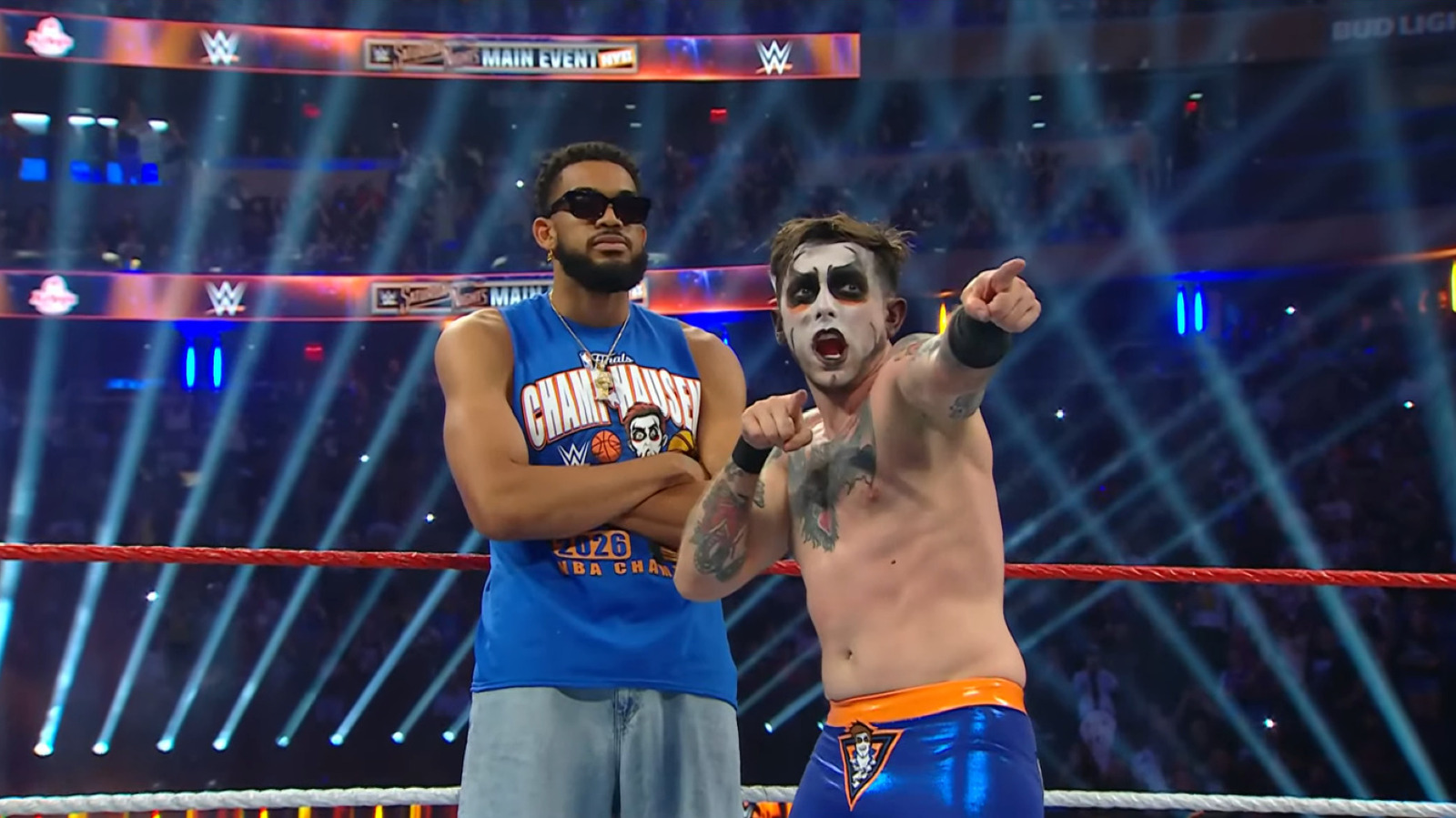
Karl Anthony Towns at SNME proves that celebrity cameos need a hard reset
4 hours agoMore Analysis
Baron Corbin returning to WWE is the ultimate pragmatic move
2 months ago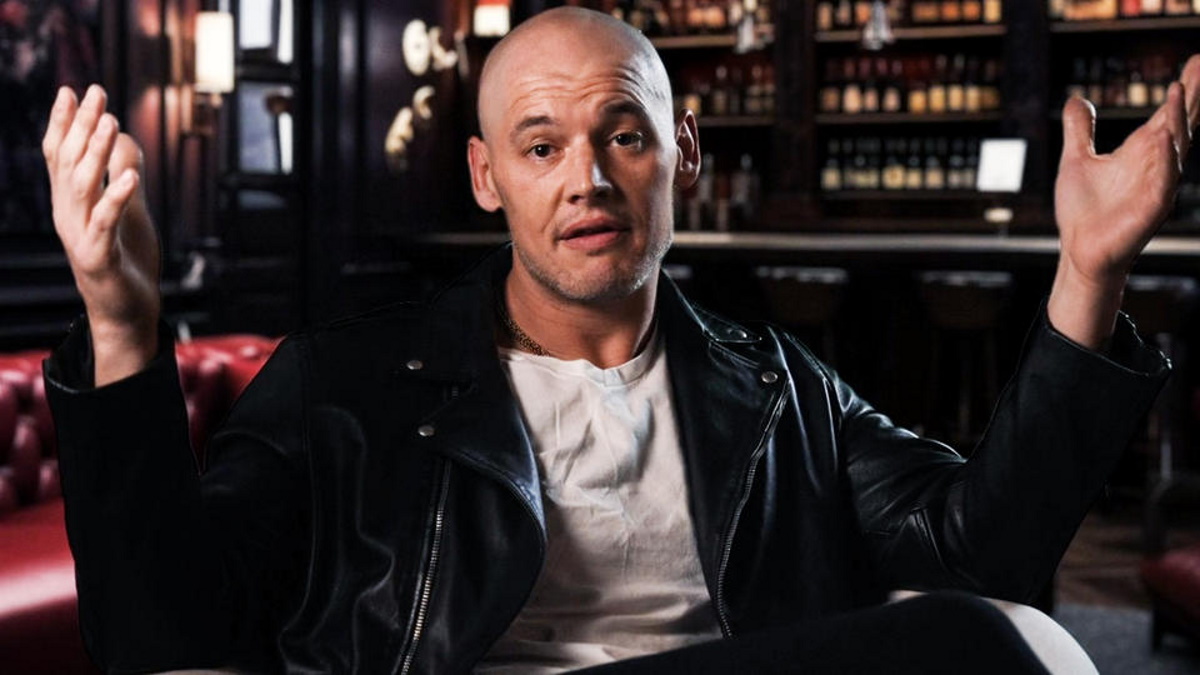
The internet is tearing itself apart over the Baron Corbin WWE return rumors
2 months ago
Why Baron Corbin's sudden MLW lockout points to a WWE return
1 week, 6 days ago
Baron Corbin's WWE return signals a wider strategy for former talent
1 week ago