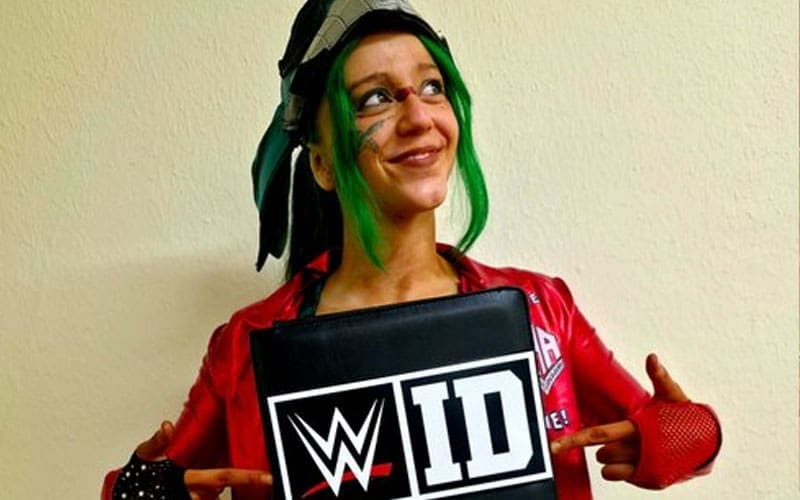
WWE's developmental pipeline just secured another asset. On March 28, it was officially confirmed that Airica Demia has been awarded a WWE ID contract. This is not a rumour about a secret tryout. This is a done deal. The ink is dry. As F4WOnline reported, she is officially locked into the system. It is another deliberate move in Paul Levesque's ongoing sweep of the independent wrestling scene.
To understand this acquisition, you have to look at what the WWE Independent Development contract actually represents in early 2026. It is essentially a retainer. It is a first-refusal right wrapped in a shiny promotional graphic. When Demia signs this deal, she does not immediately pack her bags and move to a condo in Orlando. She stays on the road. She continues working for affiliated independent promotions.
WWE simply gets to slap their logo on her gear and monitor her progress. If she gets hot, they call her up. If she stalls out, the financial commitment was minimal. It is a shrewd, ruthless, and highly effective way to hoard talent before the competition can even make a phone call. The news was widely corroborated, with BodySlam confirming the contract award shortly after the initial rumblings.
The Shift in Strategy
What makes Demia an attractive prospect for the current recruitment regime? It comes down to reps. For a brief period under the previous administration, the recruitment mandate shifted entirely to college athletes. They wanted blank slates. They wanted track stars and linebackers who had never taken a bump. The logic was that they wouldn't have to un-teach bad indie habits.
That philosophy failed miserably. The college athletes looked great on a billboard, but they struggled to put together a cohesive ten-minute match. Shawn Michaels realized that teaching ring psychology to someone who has never watched wrestling is nearly impossible. The pendulum has swung completely back. Now, they want workers.
Demia knows how to work a hard cam. She knows how to navigate a hostile crowd of two hundred people in a poorly lit armory. She knows how to call a match on the fly, whether it's chaining together snap suplexes or grinding through a twenty-minute broadway when the planned spots fall apart. This is exactly what the Performance Center needs right now. They need anchors. When they put a raw athletic prospect in the ring, they need a seasoned worker across from them to steer the ship. Demia isn't just a prospect. She is a stabilizing force for the greener talent in the system.
The Logjam in Orlando
Here is the glaring problem with the current WWE ID setup, and it is a massive one. It creates a terrifying logjam at the Performance Center. By aggressively scooping up every promising worker on the indies, WWE is building a roster that they cannot possibly feature on television.
NXT has two hours a week on The CW. NXT Level Up is a fleeting afterthought on Peacock. Where are all these people going to work? Demia is incredibly talented, but she is entering a system that is currently overflowing with bodies. There are women who signed standard developmental deals two years ago who are still struggling to get consistent television time. Handing out ID contracts is a great way to keep talent away from AEW or TNA, but it does not guarantee them a meaningful career in WWE.
The financial implications of this program are quietly reshaping the grassroots level of the industry. Before this initiative, top independent names could hold out for a bidding war. Now, WWE is identifying talent much earlier in their development cycle. They are locking them down with smaller, restrictive deals before they ever reach the level of a national bidding war. It is brilliant for the corporate balance sheet. It is heavily restrictive for the talent's earning potential.
Demia is securing a foothold in the biggest company on earth, but she is essentially trading her long-term negotiating leverage for immediate association with the WWE machine. As Ringside News noted, the developmental system continues to swell with these specific types of acquisitions.
The Sanitized Indie Scene
This system has its loud critics. Independent wrestling used to be the wild west. It was chaotic, unpredictable, and completely detached from the corporate sterility of Stamford. Now, the top layer of the indie scene is heavily sanitized. Workers are terrified of losing their WWE ID status, so they work safer, less controversial matches. The rough edges get sanded down before they even arrive in Florida.
Demia will have to navigate this incredibly tricky transition. She has to maintain the spark that got her noticed while strictly conforming to the behavioral and stylistic guidelines demanded by the corporate office.
There is also the question of creative direction. WWE does not typically bring in independent talents with their existing gimmicks intact. The ID program allows them to keep their indie name for now. But the moment they sign a full-time deal, the rebranding begins. WWE wants to own the trademark. They want to sell the merchandise. Whatever character Demia has built on the independent circuit will likely be stripped down and rebuilt by the creative team. This is the ultimate gamble for any indie worker signing on the dotted line.
Probability Assessment
Since this has been announced by the official channels and confirmed by multiple reliable outlets, the probability of the contract itself is 100 percent. The ink is on the paper. The real question is the probability of a full-time main roster call-up down the line.
I would put those odds at around thirty percent. The attrition rate in developmental is completely brutal. For every talent that makes it to Monday Night Raw, five are quietly released after two years in Orlando. Demia has the in-ring skills to survive the cuts, but she will need to connect with the Florida crowds immediately once she transitions to full-time status.
Expected Timeline
Do not expect to see Airica Demia on NXT television next week. It is late March 2026. WrestleMania 41 is just weeks away. The entire wrestling industry is about to hit its annual reset button on the Monday after Mania.
The standard operating procedure for a WWE ID signing dictates a prolonged holding pattern. She will likely spend the next six to eight months fulfilling her remaining independent dates. She will attend periodic evaluations at the Performance Center. If she hits her metrics and stays injury-free, she might get a dark match before an NXT taping by November or December. A televised debut would be strictly slated for early 2027 at the absolute earliest.
Expected Impact
The immediate impact is felt purely on the independent circuit. Demia just became a significantly bigger draw for local promotions. For WWE, this is another successful block against the competition. They have secured a promising worker for pennies on the dollar, ensuring she won't be showing up on an AEW Ring of Honor taping anytime soon.
Tony Khan and AEW have been slow to respond to this tactic. They rely heavily on the independent scene to act as a defacto developmental territory, but they do not formalize the relationships the way WWE has done. By the time AEW decides they want a talent, they are already wearing the WWE ID patch.
It is a low-risk, high-reward play for Paul Levesque. For Demia, the real work begins right now. The contract is just a ticket to get in line. Now she has to outwork fifty other people who are holding the exact same ticket.