WWE gambles on nostalgia while AEW chases the old guard
Stadium filler strategies are killing the midcard
John Cena retired in December 2025, yet here we are on April 1, 2026, wondering why the center of the WWE promotion remains detached from the active roster. By positioning a retired athlete at the top of a massive stadium event, WWE is signaling a reliance on historical recognition over internal narrative development. This is a direct shift from competitive storytelling toward event-specific box office management.
The metric for success has moved from weekly television retention to ticket distribution at venues often surpassing 50,000 capacity. When Cena's return is prioritized above established character arcs, it stagnates the growth of the current generation. The promotion is trading long-term engagement for short-term stadium inventory.
The vacuum in women's character development
Tiffany Stratton serves as a prime example of this disconnect. She is arguably the most physically gifted performer on the active roster, yet her recent trajectory has moved away from high-stakes wrestling and toward peripheral social media activities. As noted in recent coverage, her momentum is hitting a ceiling because the promotion lacks a compelling narrative to match her athletic output.
We see the gaps in her booking; she possesses a superior set of skills, yet there is a lack of sustained, high-level feuding to prove those skills in the ring. When the creative direction prioritizes celebrity appearances or social media presence, the wrestling quality suffers. It forces a talented performer to find relevance outside the bells, which ultimately degrades the product's standing in the professional wrestling hierarchy.
The industry obsession with the past
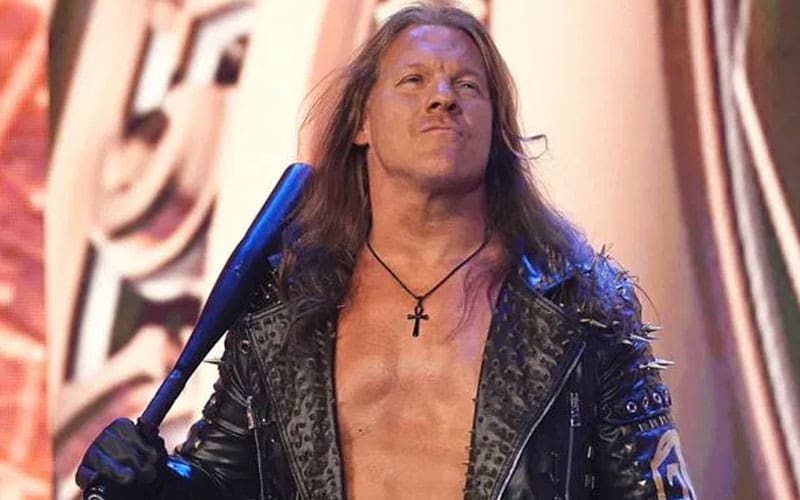
The trend is not restricted to the market leader. Rumors persist regarding a potential return for Chris Jericho, highlighting a broader industry trend where nostalgia is treated as a tactical necessity. Teams or promotions that rely on these established legends are often masking a failure to develop the next breakout star.
The return of American Gladiators, which will feature various pro wrestlers, shows exactly how far the industry is stretching into variety-show territory. By branding these performers with new, legacy-adjacent names, promotions are trying to bottle lightning they didn't create. It is a cynical maneuver intended to harvest existing fanbases rather than building new ones.
Tactical failures on the horizon
Looking toward the next few weeks, the proximity to WrestleMania 41 on April 19-20 accentuates these issues. If the card relies on the gravitational pull of retired names for main event slots, it risks alienating the audience that actually follows the weekly product. Management appears to prioritize event optics over internal character cohesion.
The booking in 2026 feels trapped between sustaining a legacy and building a product. If you look at the recent patterns, there is a clear reliance on name recognition that often overrides the statistical necessity of giving current wrestlers win streaks or meaningful rivalries. The fans deserve more than high-budget cameos on the road to a major show.
One must wonder if the reliance on these figures comes at the expense of a 60-minute iron-man match or high-stakes championship defenses that define a career. When the narrative focuses on hosts and icons, the matches themselves—the primary product—seem to take a secondary role to ticket sales. It is a precarious way to operate as we approach the summer event cycle.
WWE Undisputed Championship Mini Replica Title
A 12-inch heavy metal replica of the current top prize in WWE.
Frequently Asked Questions
How does WWE's reliance on retired stars affect the active roster?
What is the current status of Tiffany Stratton's booking?
When is WrestleMania 41 scheduled to take place?
Why are wrestling promotions increasingly using nostalgia?
What does the return of American Gladiators imply for pro wrestlers?
More Coverage

WWE just filed a trademark for 'Kyoki' and people are already losing it
2 hours ago
WWE's injury bug is stalling the momentum of its biggest stars
5 hours ago
Saturday Night’s Main Event brought the noise but left us with questions
6 hours ago
WWE wants your 99 dollars and they aren't hiding it
7 hours ago
Tiffany Stratton's booking reveals a structural flaw in WWE's mid-card
8 hours ago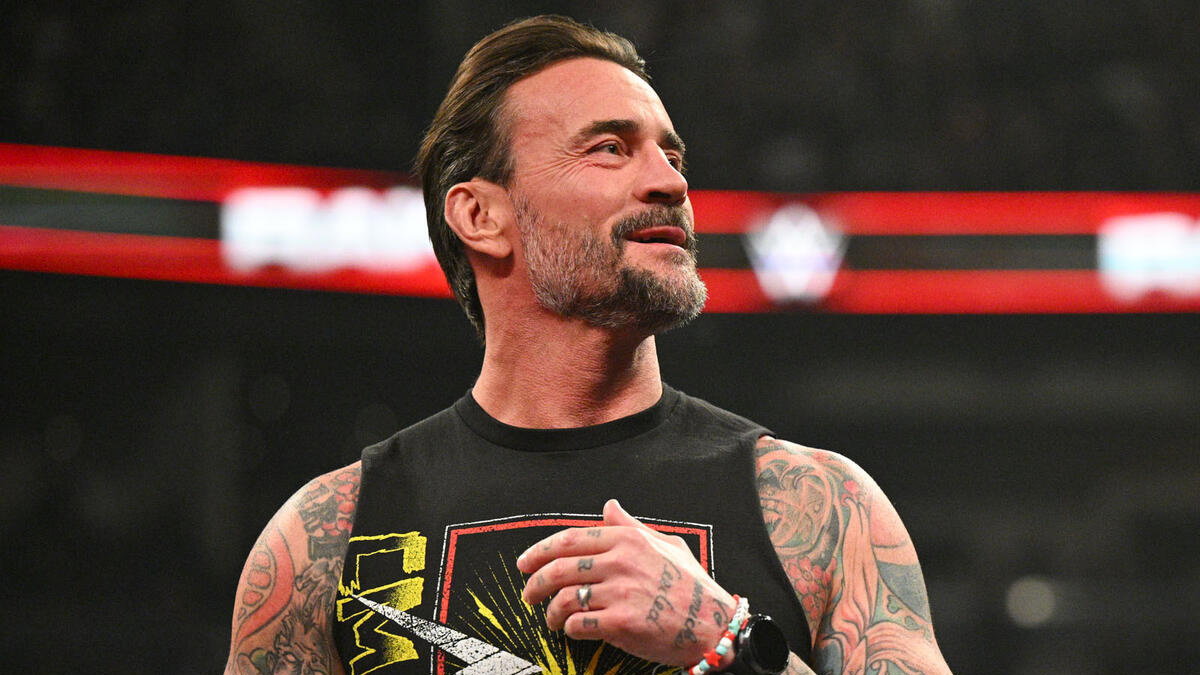
Top 10: The Most Impactful Modern Moments in WWE
12 hours agoMore Analysis
Chris Jericho is back and AEW is scrambling to find the spark
3 months, 1 week ago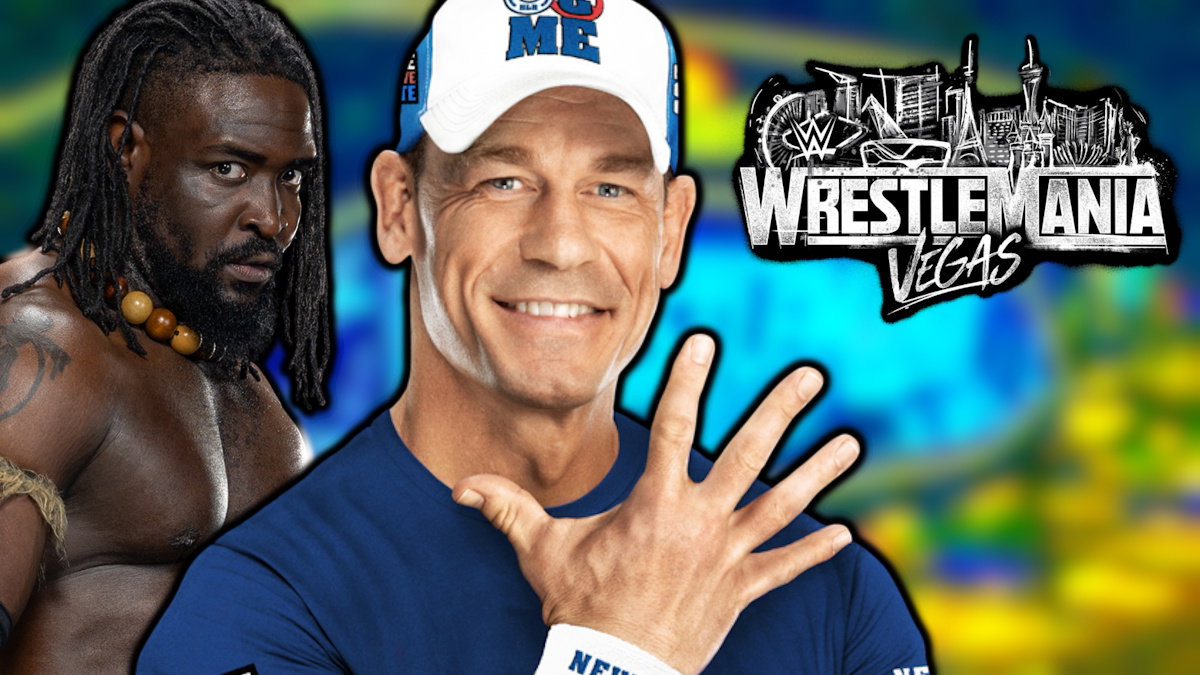
John Cena is avoiding the spotlight when the stadium is loudest
3 months, 2 weeks ago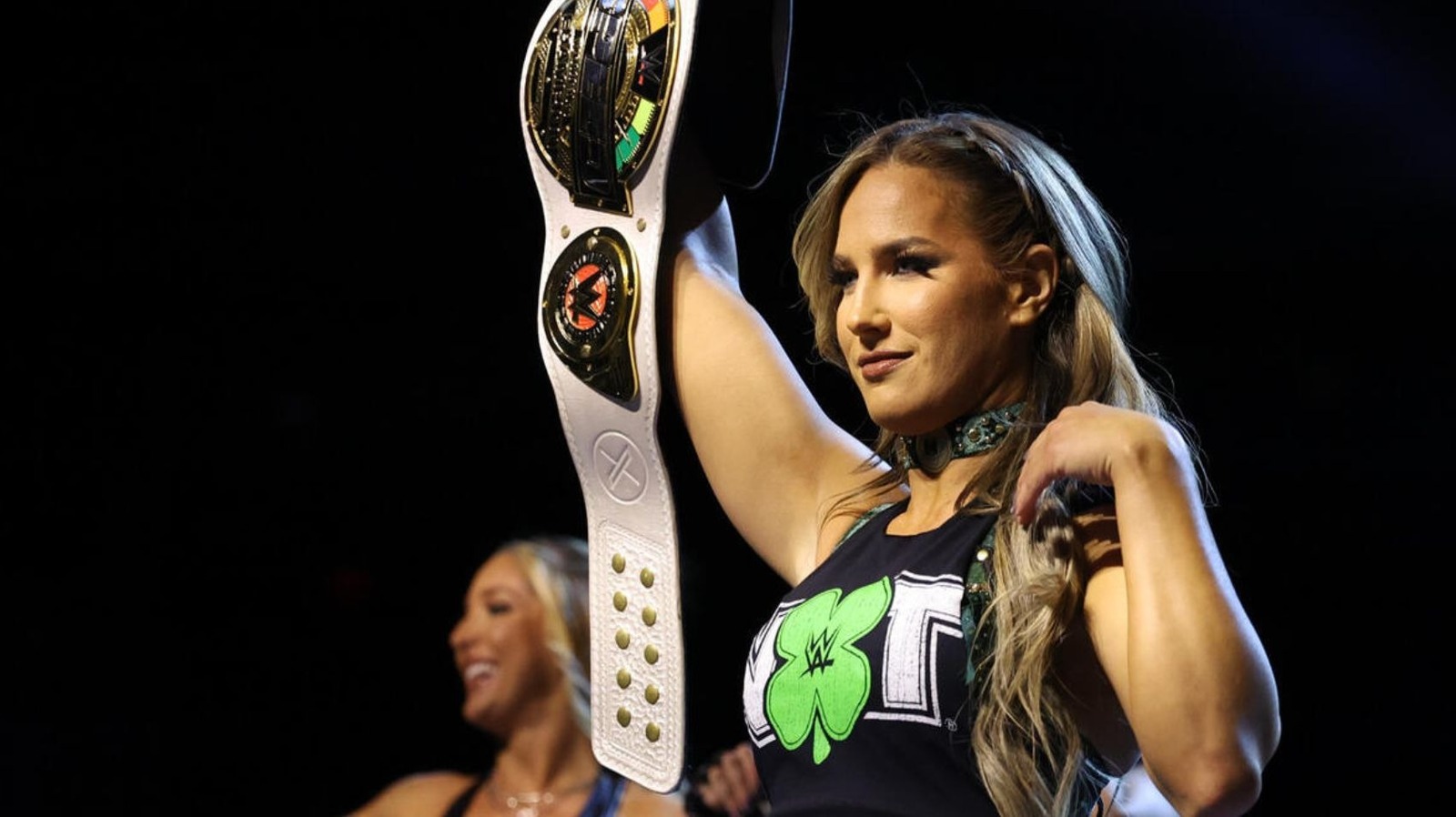
WWE’s nostalgia loop is masking a deeper booking fatigue
5 days, 13 hours ago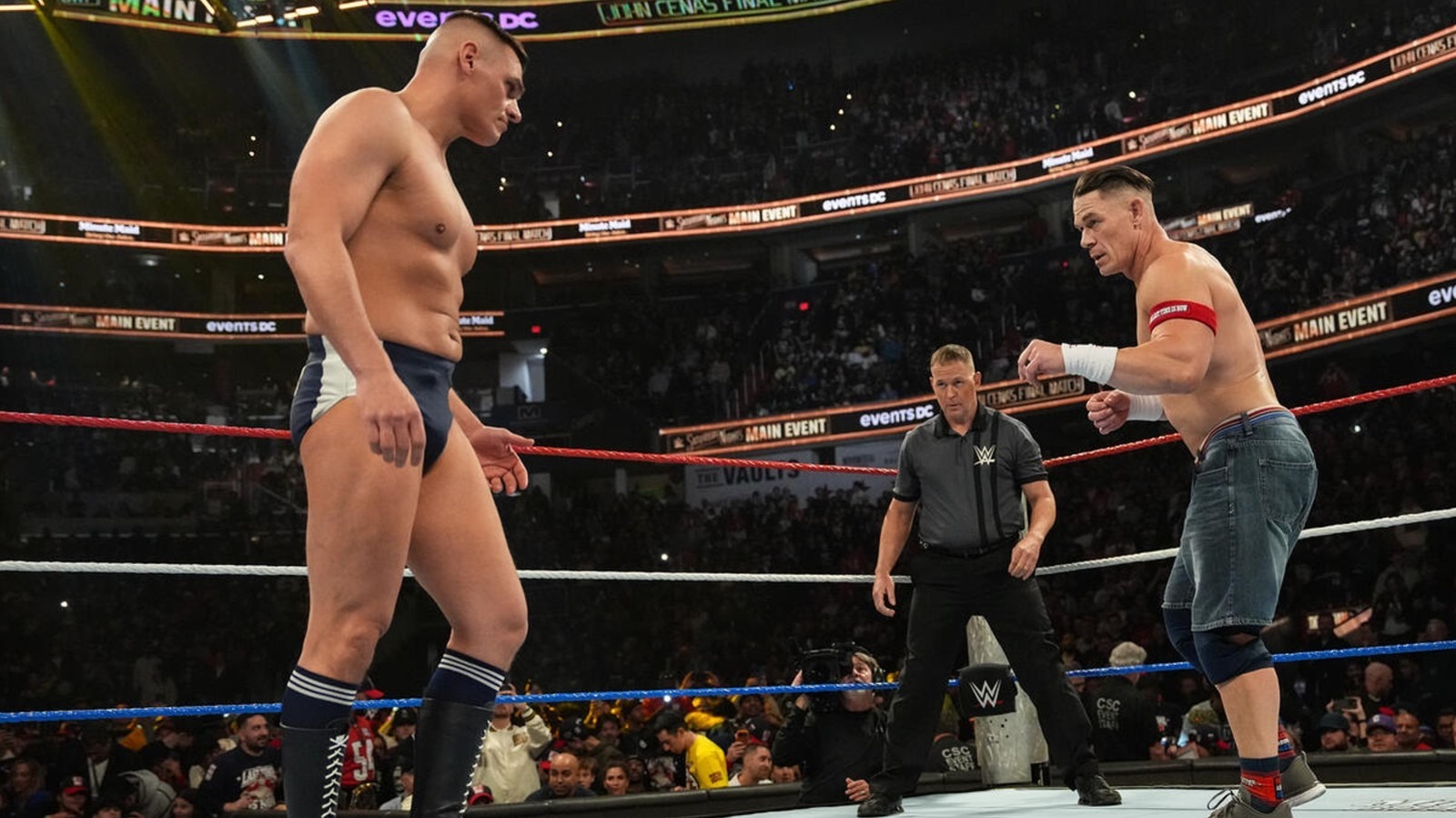
The generational shift in professional wrestling is finally here
1 month, 1 week ago
WrestleMania 41 is a high-stakes stress test for Triple H
3 months, 1 week ago