The Big Picture: Defining the New Era
Modern wrestling is defined by rapid movement between promotions and the erosion of traditional boundaries. We are seeing major entities like WWE and AEW utilize talent exchanges to force high-level engagement, shaping a business where the next headline is always a surprise.
The Rankings
1. Stephanie Vaquer’s social media response to autograph controversy
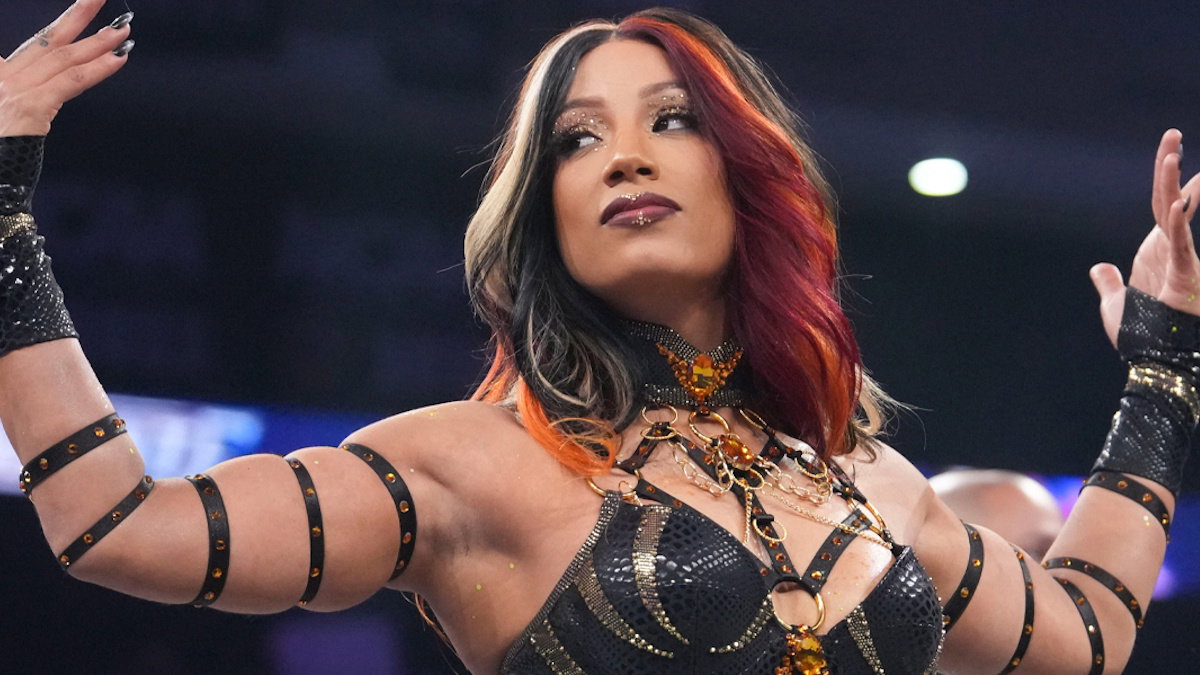
Handling public fan interactions is a skill often overlooked, but Stephanie Vaquer’s Twitter response to a disgruntled fan captured a moment of pure professional clarity. After a video surfaced showing her declining to sign an autograph, the Wrestling Inc report detailed her direct acknowledgment of the incident. It stands at number one because it highlights the immediate conflict between public perception and talent boundaries. It wasn't a stunt; it was a firm line drawn by a rising star on a major stage.
2. The formalization of the AEW and CMLL talent exchange
The operational shift in the AEW-CMLL dynamic is more significant than any single match. Moving from cameos to a structural pipeline creates a sustainable flow of talent that keeps domestic arenas fresh. This arrangement effectively redefines roster utility in a global market.
3. Lady Frost’s transition to MLW
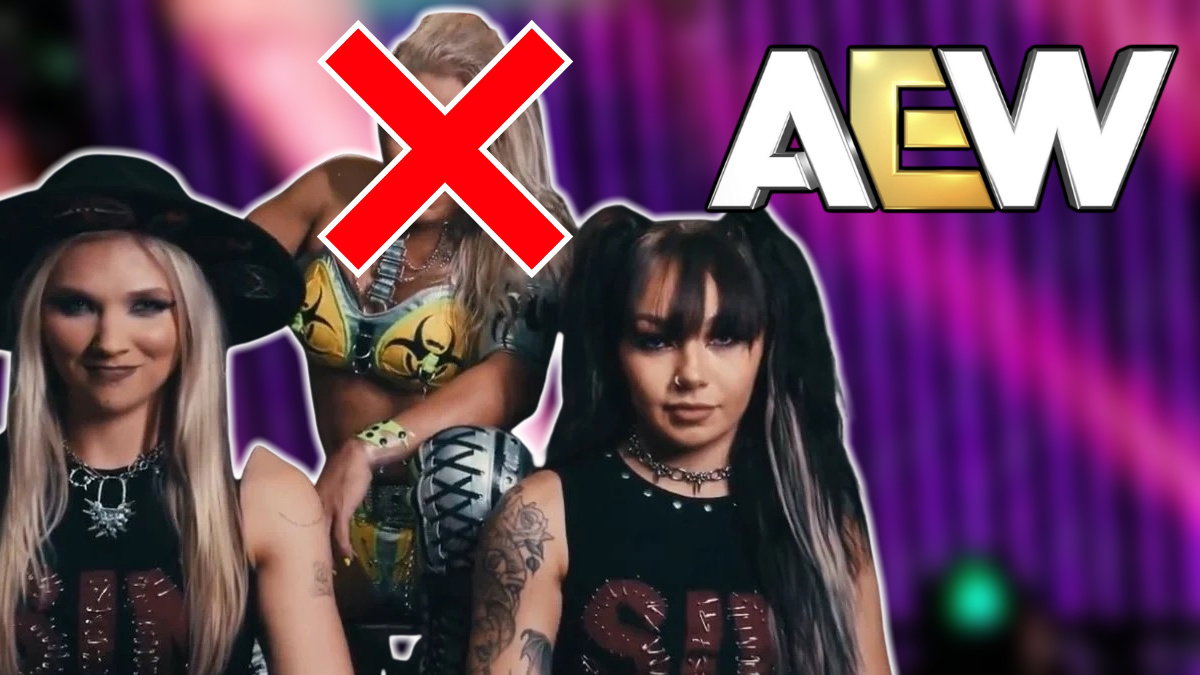
Lady Frost’s departure from AEW was quiet, but it serves as the third most important moment because it underscores the reality of roster turnover. Her move to MLW provides a clearer path for her specific skill set. Jacksonville failed to capitalize on her athletic profile, representing a booking oversight that eventually led to her exit.
4. International talent integration in Triple H’s WWE
The influx of international talent, particularly with signings like Vaquer, signals a move toward a truly global WWE roster. It pushes domestic talent to elevate their work to remain relevant in a crowded, high-performance environment. This is not about sentimentality; it is about pure market competition.
5. The AEW roster bloat correction
AEW has spent the last year trimming excess, as seen in the departure of talents like Lady Frost. Pruning the roster allows for better focus on top performers, even if critics argue the talent depth has suffered. It creates a leaner, more focused promotion.
6. WWE’s reliance on WrestleMania anticipation
With WrestleMania 41 on the horizon for April 19 and 20, the entire industry is currently held in a holding pattern. The buildup to this event dictates the pacing of every other storyline globally. Without this anchor, the current booking would look vastly different.
7. The rise of digital interaction protocols
The Stephanie Vaquer incident proves that talent are now managing their own PR in real-time. Wrestlers are no longer waiting for office statements; they are actively controlling their own narratives. This shift changes how fans consume news, making social media the primary source for breaking developments.
8. The CMLL influence on North American matches
We are seeing the impact of Lucha Libre mechanics integrated into AEW main events. This inclusion adds a speed and technical complexity that was largely absent two years ago. The trade-off is often a reduction in character work, which remains a glaring weakness in some of these hybrid presentations.
9. The constant calendar tension
The schedule leading up to Double or Nothing on May 24 puts immense pressure on creative teams to maintain momentum. We see this in the frantic booking of matches throughout April. The quality control has occasionally dipped to meet these arbitrary calendar deadlines.
10. The shift away from long-term faction warfare
Promotions have drifted toward standalone star power rather than the faction-heavy booking that dominated the mid-2020s. While this allows for concentrated pushes for individuals, it has left mid-card stables feeling hollow. This is a noticeable regression in how stories are constructed across the industry.
Honorable Mentions
The return of specific legacy legends continues to overshadow newer, younger talent programs. Additionally, the increasing reliance on inter-promotional "dream matches" has led to some dilution of stakes. While these matches draw interest, they often lack the long-term payoff that a built-up rivalry provides.