ESPN coverage confirms WWE's shift into mainstream sports cycle
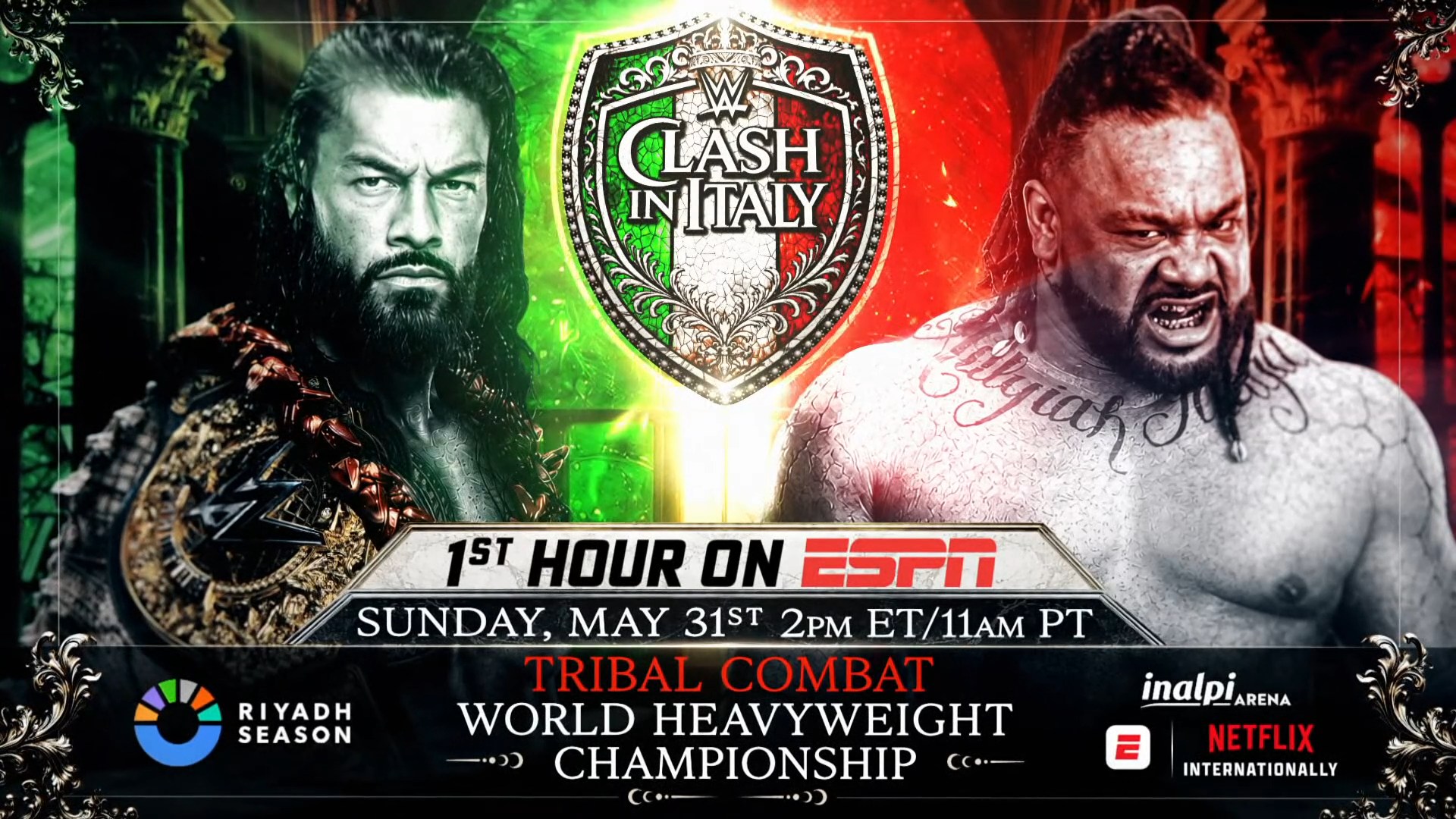
ESPN’s recent spotlight on the upcoming WWE Clash in Italy indicates a distinct shift in how wrestling is being presented to sports-centric audiences. The network, typically preoccupied with the NBA Playoffs or MLB mid-season tracking, dedicated editorial space to the professional wrestling spectacle occurring in Turin. This is not just a standard PR bump; it is a calculated effort to align the promotion with the same legitimacy as traditional stadium sports.
The move by ESPN to elevate this event serves as a clear indicator of how the media treatment of wrestling has evolved over the past decade. By highlighting the specific matchups and the venue logistics for the Italian show, the network is framing the card as a global athletic event rather than a regional touring show. It mirrors the strategy seen in Formula 1's recent US boom, where cultural accessibility is treated as a premium product.
The mechanics of the Turin card
The event itself follows a string of successful international premium live events for WWE, which have aimed to maximize revenue from territory-specific fanbases. Turin presents a specific challenge: navigating the European market while maintaining the production values that American viewers expect from WWE broadcasts. The integration of high-end camera work and distinct arena aesthetics remains a staple of these overseas trips.
While the promotional angle is heavy on local engagement, questions remain regarding how these international shows impact the long-term domestic narrative. Every international venture risks cooling off storylines for the stateside crowd, as the time zone difference often muddies the momentum of televised programs. The focus, however, remains squarely on ticket sales, which have proven to be a reliable metric for company growth in the TKO era.
Why ESPN matters for the bottom line
Clash at the Castle and subsequent European cards demonstrate that WWE no longer relies solely on the domestic cable TV landscape for relevance. By maintaining this relationship with ESPN, WWE secures a permanent anchor in the general sports cycle. It prevents the product from being relegated to the niche sub-culture bin of the 2000s, pushing it instead into the mainstream conversation alongside soccer and rugby.
However, the skepticism remains valid regarding the depth of this partnership. ESPN’s interest is currently limited to high-level content aggregation and search-driven traffic; it does not yet represent a move toward live television rights for major premium events. Until the network treats wrestling matches with the same objective inquiry applied to a Lakers game, this coverage remains a glorified funnel for the WWE Network and its international streaming partners.
Addressing the potential for over-saturation
With an international show scheduled during a time where the global sports calendar is packed—especially with the looming shadow of the 2026 FIFA World Cup starting June 11—the timing is risky. Wrestling is fighting for eyeballs against a massive wave of tournament hype that is already saturating the European sports news cycle. Finding airtime on platforms that are currently prioritizing pre-tournament analysis is an uphill battle for any combat sport brand.
The logistics of the Turin event also highlight a potential bottleneck for talent. A high-stakes card days away from a domestic summer push can lead to unnecessary fatigue or injury risks for the top of the roster. If the company continues to push this frantic international schedule, the probability of recurring injuries to primary headliners increases by a significant margin. Management must weigh the benefits of these stadium gates against the necessity of keeping talent match-ready for events in North America.
Strategic implications of brand placement
The decision to utilize ESPN to tout Italian events is a direct play to investors who focus on international expansion statistics. By demonstrating that wrestling content can pull clicks in foreign territories like Italy, the company signals that its growth potential is not capped by US market saturation. This is a critical development for market valuation as we approach the mid-year financial check-ins for the parent group.
As PWInsider reported, the increased presence across sports-first media outlets is a deliberate move to change the perception of the medium itself. It changes the entry point for new fans who wouldn't ordinarily browse traditional wrestling information channels. Whether this translates to long-term subscribers for their premium streaming platforms is the next benchmark to verify.
Ultimately, the marriage of professional wrestling and major sports desk coverage is a marriage of convenience. WWE gains institutional legitimacy, and major sports networks gain a high-volume content engine during the quieter patches of the professional sports season. This arrangement looks stable for the next fiscal year, but it requires consistent engagement to avoid backsliding into secondary media status.
Read Next
- Why Clash in Italy marks a turning point for WWE's international strategy
- WWE is turning Clash in Italy into a nostalgia-fueled fever dream
- WWE takes Clash in Italy seriously while books lean heavy on favorites
- Gunther is the analytical nightmare Cody Rhodes isn't prepared for
- 🏰️ WWE Clash at the Castle 2026 — Glasgow Coverage Hub