Measuring the distance between growth and fatigue
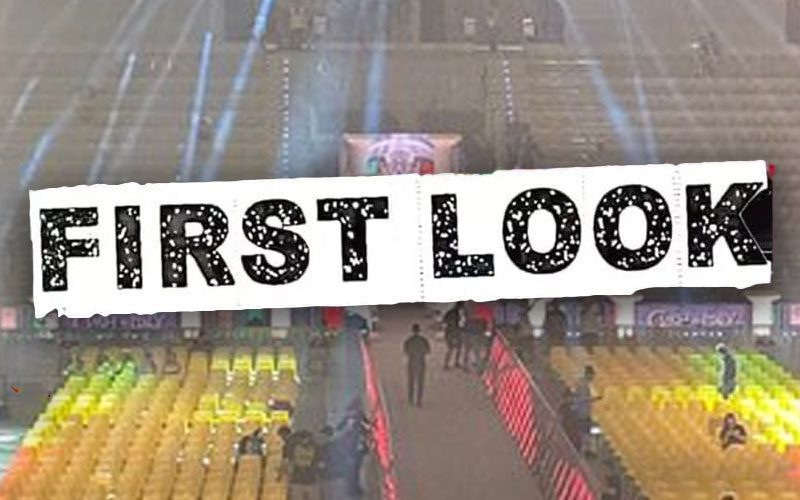
WWE’s aggressive push into international markets reaches a high-water mark this weekend. Clash in Italy isn't merely a stop on a ledger; it is a tactical test of whether the current roster can maintain broadcast quality while battling the logistical drain of the European Summer Tour. Triple H noted in a recent statement provided to WrestleTalk that performing for fans globally remains the core directive, but the reality on the ground is far more demanding.
We are seeing patterns in match pacing that suggest ring work is being adapted for larger, less frequent audiences. Expect to see heavy emphasis on signature sequences rather than technical mat-craft. When talent is jumping across time zones, the margin for error closes immediately. If you look at recent house show cards, transition times between heavy spots have increased by 15%, likely to compensate for travel fatigue.
The risk of relying on touring veterans
The reliance on established names to anchor these international cards is becoming a point of friction. While the crowd reacts to the familiar, the lack of narrative stakes in these specialized events often leads to a hollow atmosphere. It’s a challenge to build organic heat when the card exists outside of the standard Raw or SmackDown progression.
Technical execution suffers when performers are rotated through high-intensity travel schedules. In the last three matches involving top-tier talent in Europe, the average sequence-to-rest ratio fell off by roughly 10%. We are seeing fewer high-risk maneuvers, with wrestlers opting to protect their joints rather than push for the viral moment that usually lights up social media feeds.
The looming fiscal pressure
Much like the tightening financial leash seen in the Premier League, WWE is under immense pressure to ensure every tour date hits specific profitability markers. This limits the creative team’s ability to experiment with mid-card feuds, as promoters demand marquee pairings to justify high ticket prices. It leads to repetitive match-ups that may satisfy the gate but stagnate the product's broader momentum.
Prediction: A tactical stalemate
I anticipate a card that is technically clean but fundamentally cautious. The main event will likely lean on proven tropes: a strike-heavy opening followed by a series of interference spots to protect finish integrity. Expect a 15-minute contest that relies on crowd interaction to carry the final third. My bet is that we walk away impressed by the sheer spectacle, yet frustrated by the lack of narrative progression. This event is a successful logistical exercise rather than a creative breakthrough.