The Market Adjusts
World Wrestling Entertainment is navigating a challenging period marked by significant shifts in both media distribution and live event strategy. Reports indicate a noticeable decline in premium live event (PLE) viewership on ESPN’s Unlimited platform, a critical metric for media rights valuation. Concurrently, WWE is preparing to implement a strategy of lowering ticket prices, signaling a reactive adjustment to current market realities.
These two developments, while distinct, paint a picture of a company recalibrating its approach to audience engagement and revenue generation. The convergence of these issues raises questions about the perceived value of the product in the current entertainment landscape, especially as WrestleMania 41 approaches.
The ESPN Viewership Conundrum
Industry veteran Dave Meltzer has highlighted a concerning trend: WWE PLE viewership on ESPN’s streaming service is “much lower” compared to previous platforms like Peacock. This isn't merely a minor fluctuation; it represents a significant erosion of the live audience footprint for some of WWE's most anticipated events.
The move to ESPN Unlimited, while expanding WWE’s reach into a different streaming ecosystem, appears to have come at the cost of traditional viewership numbers. Fans accustomed to the dedicated WWE Network or the broad accessibility of Peacock may not be migrating to ESPN’s platform with the expected velocity. This viewership dip could impact future media rights negotiations, a cornerstone of WWE’s financial model.
Why the Drop?
Several factors likely contribute to this decline. The ESPN Unlimited platform itself is not as ubiquitous or as wrestling-centric as the WWE Network was, or even Peacock, which has a much broader general entertainment offering. Discovery of content on a new, less familiar platform can be a hurdle for casual viewers.
Furthermore, the segmentation of sports content across numerous streaming services forces fans to manage multiple subscriptions, leading to potential fatigue. For a fan whose primary interest is WWE, the necessity of an ESPN subscription for PLEs might be a barrier they were unwilling to cross, especially if they were already subscribing to other platforms for sports or general entertainment.
The Ticket Price Reset
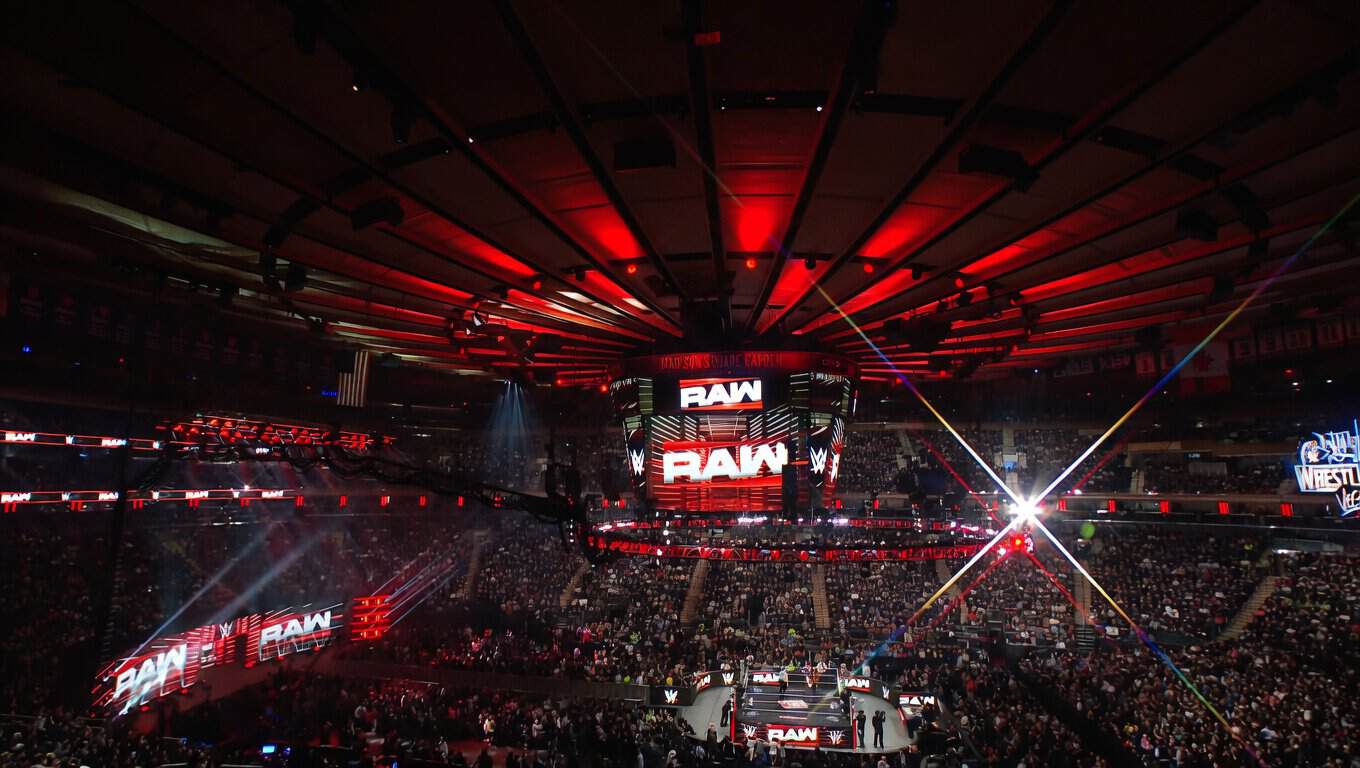
In response to what appears to be lagging demand or an overestimation of price elasticity, WWE is reportedly planning to lower ticket prices for its live events. This strategy suggests a direct correlation with the attendance figures or sales pace for recent shows, or a proactive measure to ensure venues are adequately filled.
Lowering prices can stimulate demand, making events more accessible to a wider demographic and ensuring a more vibrant live atmosphere. However, it simultaneously risks devaluing the product in the eyes of some long-term fans who have grown accustomed to higher price points being associated with premium experiences. The balance between accessibility and perceived exclusivity is delicate.
Impact on the Live Experience
From a fan perspective, more affordable tickets could be a welcome change, particularly for families or those on tighter budgets. A full arena, even if tickets are cheaper, often translates to a more energetic crowd and a better overall experience, which can be crucial for television broadcasts.
Conversely, for fans who have consistently paid top dollar for premium seats, a sudden price reduction might generate frustration. There's also the question of whether this is a temporary adjustment or a longer-term strategic shift reflecting a new assessment of the market's willingness to pay for live wrestling. The company's goal, undoubtedly, is to maximize total revenue, which involves balancing ticket price with attendance volume.
Broader Industry Ripples
The strategic adjustments by WWE hold implications for the entire professional wrestling industry. As the undisputed market leader, WWE’s moves often serve as a barometer for the sector’s health and trends. A struggle to maintain viewership and justify premium ticket prices, even for WWE, suggests a broader challenge within the live entertainment sphere.
Competitors like All Elite Wrestling (AEW) will be watching closely. While AEW has carved out its niche, a softening in WWE’s market position could create opportunities. If fans perceive a better value proposition or a more engaging product elsewhere, it could fuel shifts in brand loyalty and viewership patterns across the industry.
Historical Context: Adapting to Change
This isn't the first time WWE has faced significant shifts in its business model. The transition from a territory system to a national touring company, the Monday Night Wars, and the shift from pay-per-view buys to subscription streaming have all forced radical adaptation. Each era presented its unique set of challenges, from content wars with WCW to optimizing digital distribution.
In the past, WWE has often used pricing adjustments, roster changes, or creative overhauls to reignite audience interest. For instance, during periods of declining popularity in the late 90s, the company pivoted its programming to capture a more adult demographic, ultimately leading to the highly successful Attitude Era. The current situation demands a similar strategic agility, albeit in a different media and economic landscape.
Strategic Implications and Outlook
These dual challenges — declining viewership on a new platform and the need to adjust live event pricing — point to an “injury” of market perception and demand for WWE. It suggests that the company’s product, at its current pricing and distribution points, may not be resonating with as wide an audience as previously projected.
The critical observation here is that market forces are compelling WWE, a company known for its premium positioning, to make significant strategic concessions. While ensuring full arenas and broader viewership is paramount for brand health and media valuations, the necessity of these actions indicates that initial projections or strategies may have been overly optimistic. The company faces the task of either enhancing the perceived value of its product or further optimizing its accessibility and pricing models to recapture lost ground and ensure sustained growth. This is not a terminal issue, but an ongoing strategic adjustment that demands careful navigation.