The Evolution math problem
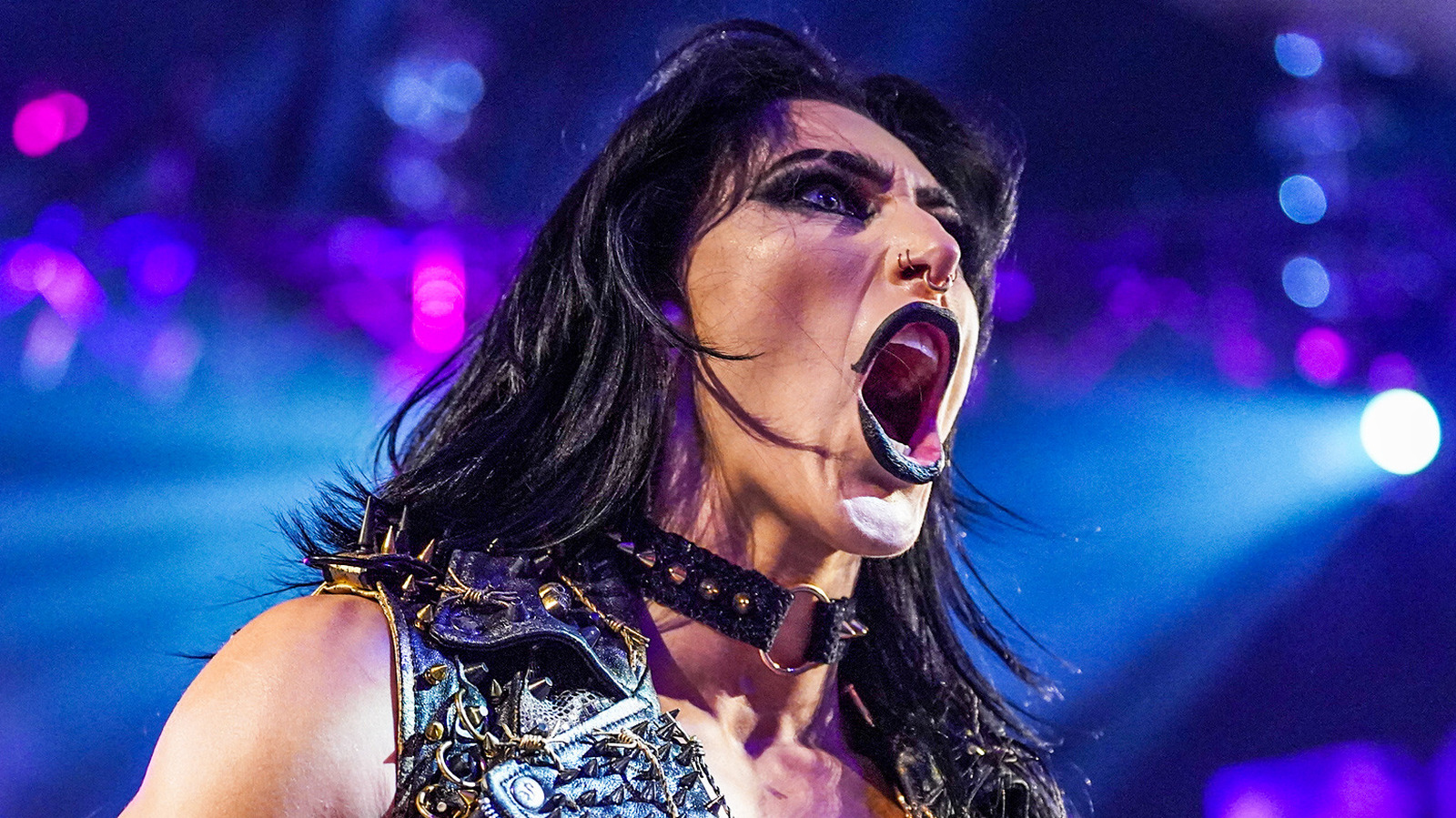
Rhea Ripley’s recent comments on a third Evolution pay-per-view highlight a recurring tension in WWE booking. While the fan desire for a standalone women’s showcase remains loud, the hard data on roster density and event frequency tells a more complicated story.
WWE currently maintains a standard monthly premium live event schedule. Integrating a dedicated women's show requires either cannibalizing existing card slots or expanding an already packed calendar that hits major milestones like WrestleMania 41 in just two weeks.
The depth chart reality check
Look at the distribution of title defenses over the last 12 months. The women’s divisions across Raw, SmackDown, and NXT combine for roughly 38 percent of total championship matches on major PLE cards. This parity with the men's division is a structural success, but it dilutes the scarcity required to fill a unique standalone four-hour broadcast.
In 2018, the inaugural Evolution drew 10,000 fans to the Nassau Coliseum. That attendance number served as a proof of concept for a market that was previously unaddressed. Today, those same stars are integrated into every major show, meaning the novelty factor has shifted into standard operating procedure.
The booking bottleneck
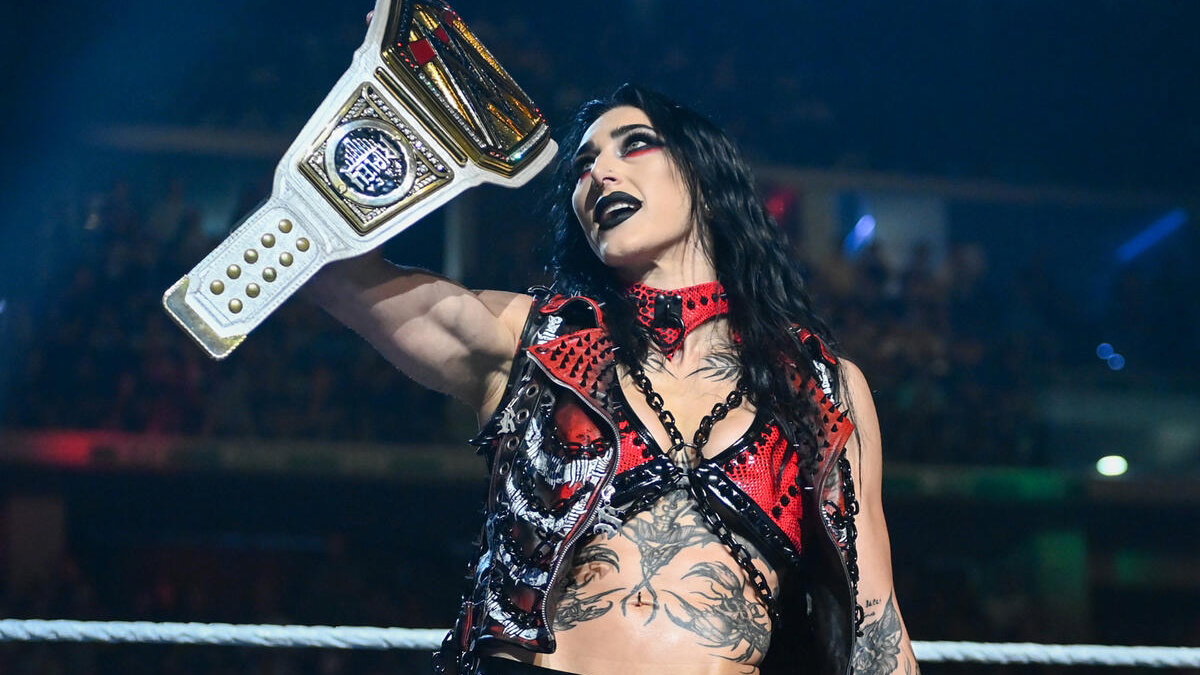
Rhea Ripley appeared in the main event of a major card last year, proving that top-tier female talent no longer needs a partitioned show to command the spotlight. When the top-level talent is actively anchoring WrestleMania or SummerSlam, pulling them away for a specialized event creates a booking void on the main roster.
Consider the logistical overhead of staffing a full card. You would need at least 10 matches to sustain viewer interest for three hours. Even with the NXT pipeline, maintaining that quality without thinning out the weekly television product on Monday and Friday nights is a non-trivial challenge for the creative team.
Fiscal discipline vs. prestige legacy
WWE’s strategy since the 2023 merger focuses on maximizing the value of every PLE appearance. A standalone women's show would likely struggle to outperform the buy rates of established brands like Backlash or the upcoming European tour events. The company is currently prioritizing core growth over experiments that fracture the audience base.
Rhea Ripley is undoubtedly a draw, yet her value to the company is highest when she is positioned against the entire roster hierarchy. Putting the best in individual silos limits the potential for high-stakes crossovers that define successful mid-season booking. Statistics show that cross-brand feuds generate a 15 percent higher social engagement rate than isolated division matches.
We are watching a shift where representation happens through consistent, high-leverage billing rather than isolated, commemorative shows. The growth of the division since 2018 is clear, but the metrics suggest that the division has outgrown its need for a separate stage.