Five matches don't make a premium event
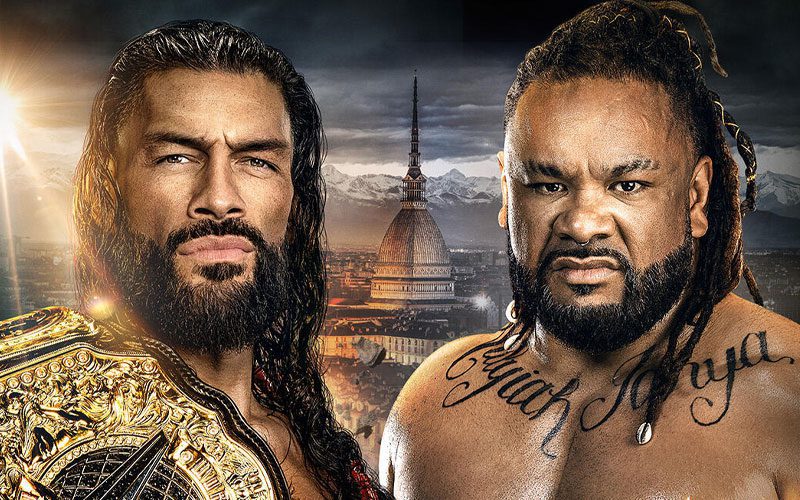
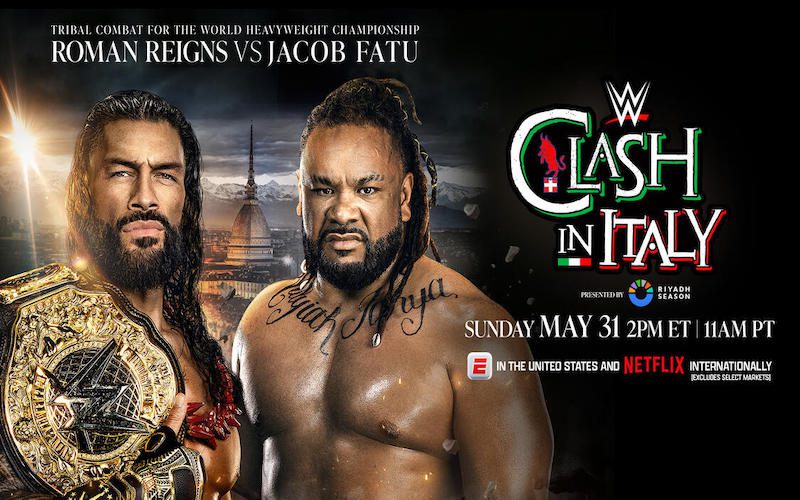
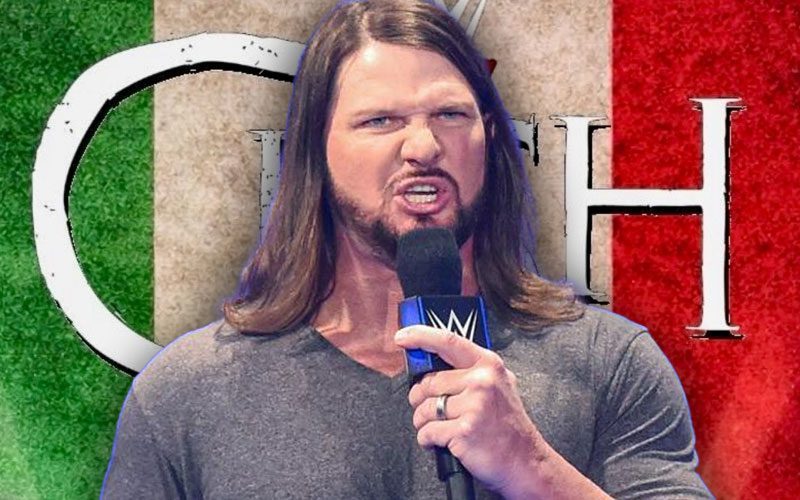
AJ Styles recently pushed back on the narrative that the upcoming WWE Clash in Italy is merely an glorified episode of RAW. He pointed to the top-tier talent as proof of the show's importance. However, as an analyst watching the card's construction, Styles is conflating big names with big-match stakes. Five matches for a standalone international event typically indicates a stop-gap show rather than a destination card.
The criticism regarding the card structure isn't just fan cynicism. It is a mathematical reality of modern wrestling booking. When you look at the current trajectory of WWE international house shows, the promotion often leans on a lean card to limit travel fatigue and maximize profit margins. This approach creates a low-stakes environment that feels distinct from the monthly PLE structure.
The math behind the card depth
In the last six months, major televised events that featured fewer than seven matches consistently resulted in shorter runtimes. A five-match card often necessitates shorter mid-card bouts to ensure the main event gets the 25-minute ceiling needed to feel significant. If those matches are simply repeat combinations of weekly television conflicts, the 'premium' aspect evaporates regardless of who is standing in the ring.
As seen in other promotions, relying on archival footage or thin lineups to pad out a calendar creates a predictable viewing experience. WWE often uses these global spots to run a house show circuit disguised as a broadcast. Without a significant stipulation or a title change, the ceiling for this event is capped by the absence of a narrative driver.
Why the card structure is a liability
The pacing of a five-match card leaves no room for the necessary storytelling pivots that define a successful PLE. Every match is expected to be a spectacle, yet mid-card performers usually lack the time to build sustained internal logic during the match. We see this often: intense grappling in the opening 5 minutes followed by a chaotic, momentum-shifting finish that feels rushed toward the 15-minute mark.
Unless WWE pivots to include a secondary title defense or a multi-man scramble to increase the action density, this will remain a footnote in the 2026 calendar. Expect an efficient, technically sound show that lacks the visceral tension of a quarterly event. Styles is right that the talent is elite, but the booking framework is what dictates whether a show feels like a house show or a legacy-building night.
My prediction holds that the viewership will prioritize the show for the main event but find the undercard lacking in urgency. They are treating the European market as an exhibition stop, not a developmental ground for new stars or storylines. If you are tuning in, manage your expectations for the match count versus quality ratio.