The gamble that shifted the fiscal floor
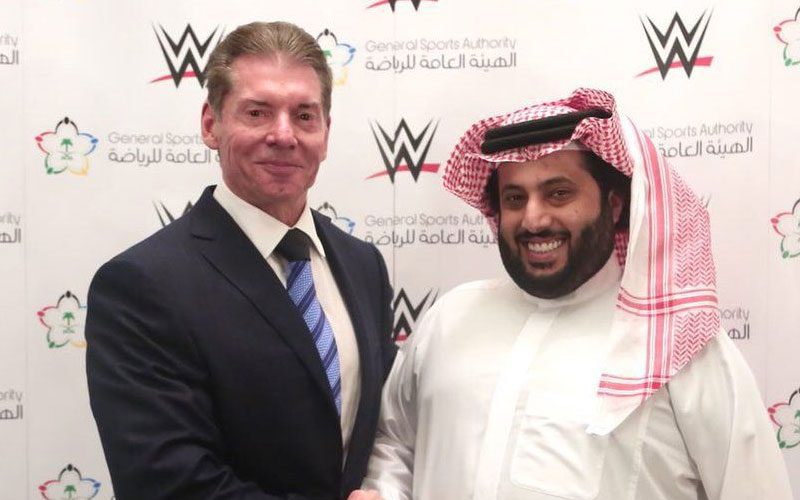
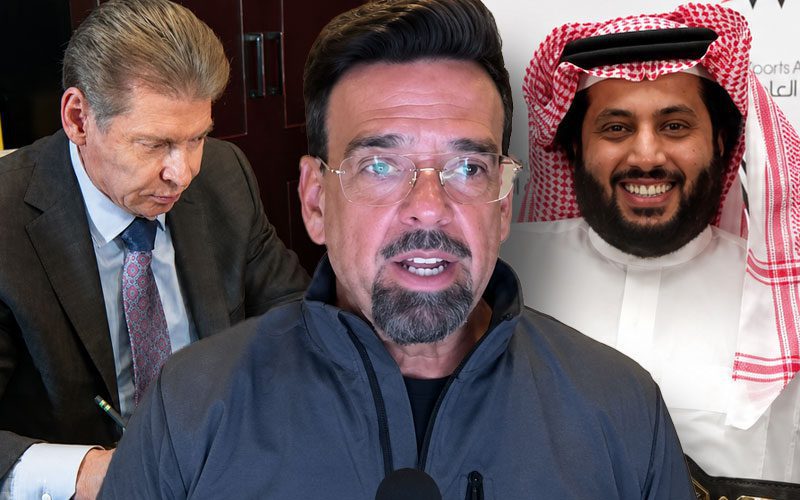
When Vince McMahon entered negotiations for the Saudi Arabia partnership, the corporate risk profile was astronomical. George Barrios, the former Co-President of WWE, recently recounted how the leadership team viewed the initial agreement not as a routine overseas tour, but as a total bet on the company's financial future. The pressure to deliver high-revenue international spectacles forced a change in how WWE constructs its quarterly earnings reports.
This shift wasn't merely about padding the balance sheet. It necessitated a pivot toward event-specific production workflows that prioritize massive, high-dollar exhibition matches over traditional mid-card consistency. We are still living in the shadow of this fiscal shift. The reliance on these quarterly tentpole spectacles creates a strange bottleneck in long-term narrative planning.
The creative cost of the international touring model
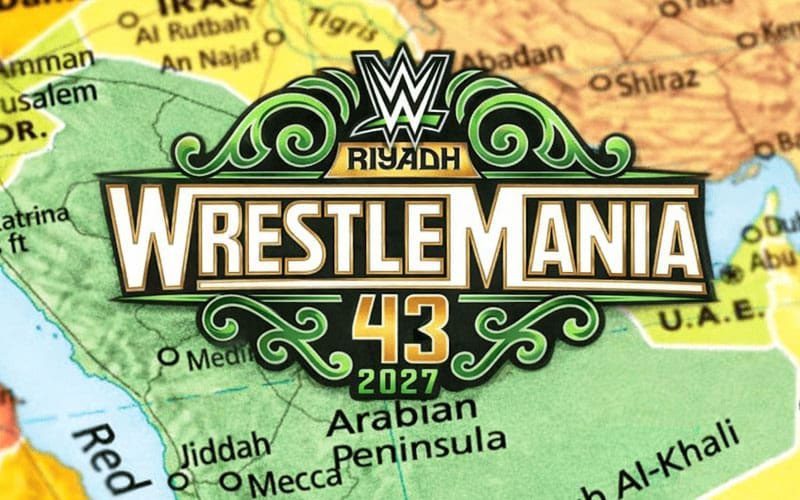
Matches in Jeddah or Riyadh often exist in a vacuum, detached from the standard weekly television cycle found on Raw or SmackDown. While fans get the spectacle of legends appearing alongside active rosters, these events frequently suffer from a lack of genuine stakes. When a card is built on the strength of a government contract rather than a year-long rivalry, the emotional investment from the live audience fluctuates wildly.
There is a recurring issue with these shows where the pacing suffers from sudden, inorganic booking changes. We saw it in the early days of the deal where momentum was halted entirely to accommodate massive feature bouts that had no business being on a global stage. The revelations from George Barrios point to a mindset that prioritized the survival of this deal above seamless creative integration. It leads to a disjointed product.
Predicting the legacy of the McMahon-Saudi era
The company effectively traded its narrative fluidity for near-infinite liquidity. Financial analysts often point to the stability provided by these agreements as a primary reason the stock price reached its record high of $130 per share during the merger negotiations. However, the wrestling product has become increasingly reliant on these massive, one-off paydays to sustain its valuation.
Going forward, the creative team faces the challenge of making these events feel like essential chapters of the main story rather than glorified, disconnected exhibitions. The current strategy of loading the cards with retired talent to drive interest is a short-term hedge against potential viewership fatigue. Until they can tie these massive shows into the broader, weekly fabric of the program, they will remain expensive anomalies.
My take: The massive financial windfall from the Saudi deal ultimately constrained WWE's ability to innovate within the narrative space. As long as the primary incentive is satisfying a fixed-contract requirement, the booking will remain inherently formulaic, regardless of the star power on the marquee.