The Ghosts of Vince McMahon
Vince McMahon is gone from WWE. Yet, he is everywhere. He lives in the memories of the talent he built, the careers he made, and the moments he personally orchestrated, for better or worse. As the industry grapples with the fallout of his exit, the stories from those who knew him best are beginning to paint a portrait of a man far more complex and contradictory than any on-screen character.
Mark Henry’s recent, forceful defense of his former boss is a stark reminder of this. While the wrestling world processes a storm of controversy, Henry stands firm, defending the man who shaped his entire professional life. It forces a difficult question: how do you reconcile the public accusations with the private loyalties he engendered?
The Chairman Who Demanded a Receipt
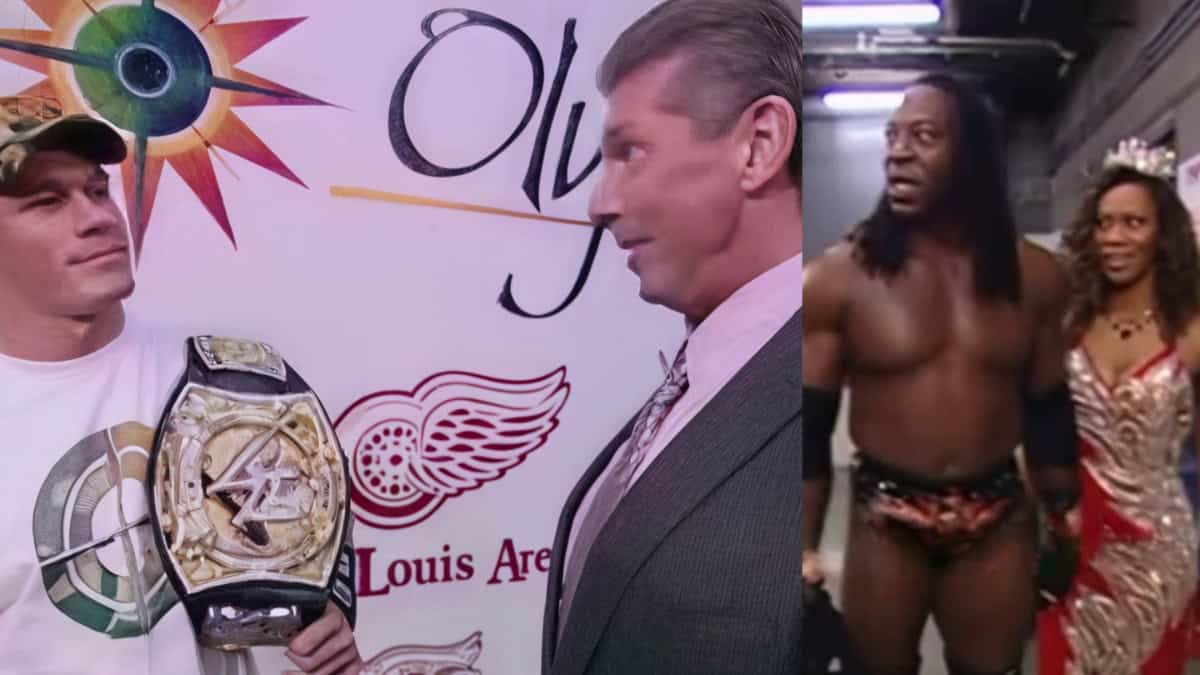
To understand that loyalty, you have to understand the environment Vince cultivated. It was an ecosystem of respect, fear, and an almost unbelievable level of personal investment. Look no further than Bully Ray’s story of accidentally dropping McMahon on his head during a live episode of Raw. It’s the kind of catastrophic error that could end a career.
The incident itself is terrifying—a botched spot with the billion-dollar owner of the company. But the aftermath is pure Vince McMahon. There was no immediate firing. Instead, McMahon, ever the old-school carny, simply got his “receipt.” He made sure the debt was paid in the ring on SmackDown. It’s a glimpse into his mindset: a world where mistakes have physical consequences, where respect is earned through toughness, and where he was never above getting his own hands dirty. He wasn’t just the boss; he was one of the boys, at least in his own mind.
This is the Vince McMahon who commanded a specific kind of fearful reverence. He was the promoter, the booker, and, when necessary, the enforcer. That ethos built an empire, but it also created a culture where the lines between boss and employee were dangerously blurred.
The Gatekeeper of Legacies
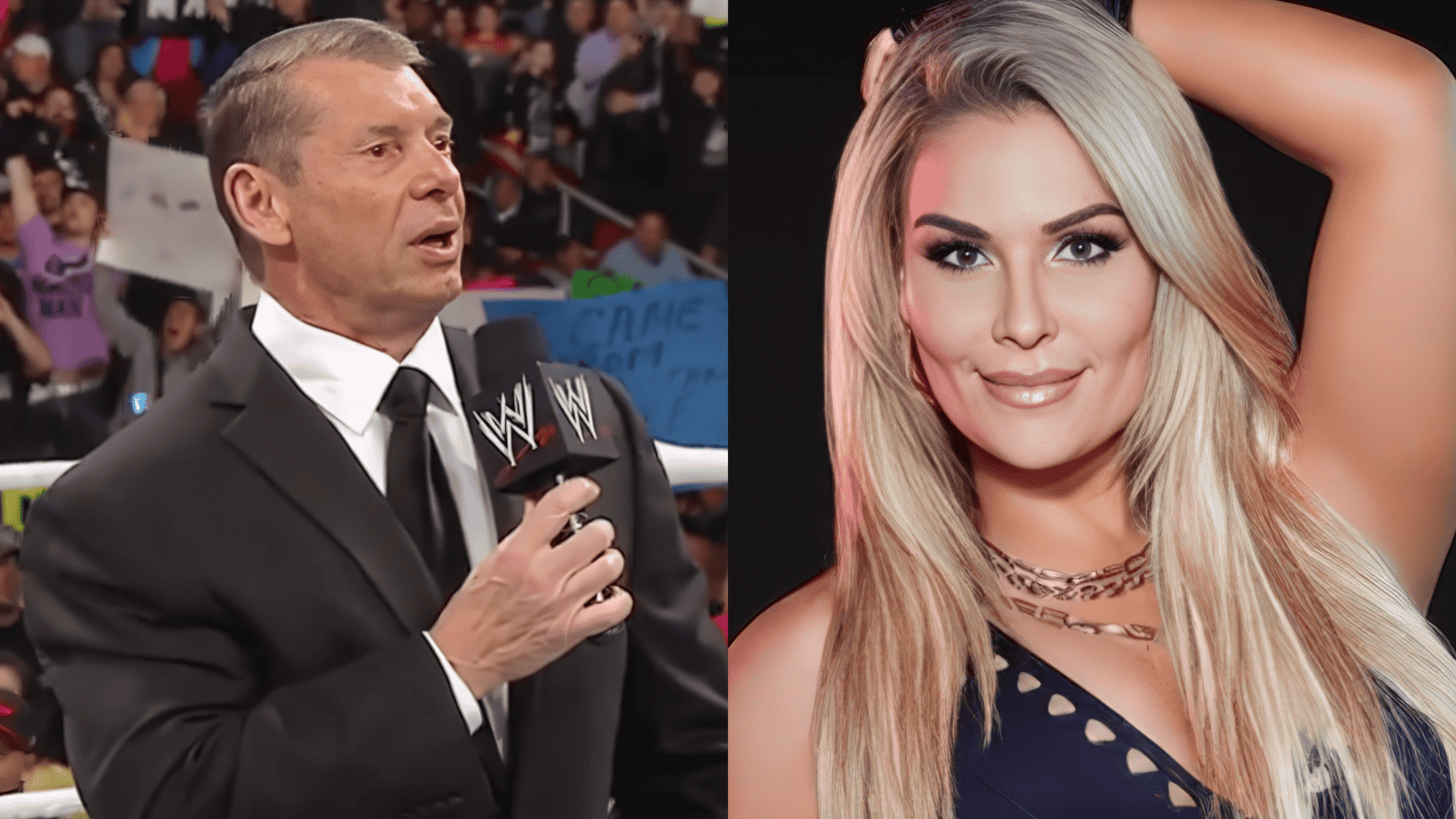
But for every story of intimidation, there’s another one of unexpected humanity. Natalya’s quest to get her late father, Jim “The Anvil” Neidhart, into the WWE Hall of Fame reveals the other side of the coin. After her father passed, she made it her personal mission. And the person she had to go through was, of course, Vince.
She didn’t just send an email. She went directly to the man himself, making an emotional, personal plea. And he listened. He granted the request, ensuring the Hart Foundation would be immortalized. On the night of the induction, he was there, offering support. It’s a moment that shows a capacity for empathy, a respect for the history of the business, and an understanding of what these legacies mean to the families involved.
This is the conflict at the heart of the McMahon story. How can the same man who demanded a physical receipt for a botched move also be the one to fulfill a daughter’s final wish for her father? It’s because he contained multitudes, and wrestlers experienced the side of him that best suited his needs at that moment.
A Legacy at War With Itself
This brings us back to Mark Henry. His defense isn't happening in a vacuum. It’s a testament to the deep, personal bonds McMahon forged over decades. When a man has the power to grant your father’s dying wish or to physically test your limits in the ring, it creates a fierce, complicated loyalty that transcends a normal employee-employer relationship.
The critical observation here is that this very loyalty, born from these intensely personal moments, now runs headfirst into a wall of public accountability. The positive anecdotes from wrestlers, while genuine, can feel like a defense mechanism against a darker, more troubling narrative. It’s a closed-ranks mentality that is entirely understandable on a human level but deeply problematic for an industry trying to move forward.
The stories from Bully Ray and Natalya aren't just memories; they are evidence of the system Vince built. It was a system of absolute power, where he could be the dream-crusher or the dream-maker, often on the same day.
Prediction: The War for Vince's Story
There will be no simple resolution to the legacy of Vince McMahon. His story will be a battleground for years to come. On one side will be the public record and the serious allegations that forced his departure. On the other will be a chorus of wrestlers—men and women like Henry, Natalya, and even Bully Ray—who knew a different, more personal version of the man. They will tell stories of a demanding but rewarding father figure, a promoter who changed their lives, and a leader who, in their eyes, earned their loyalty. The tragedy is that both versions of Vince McMahon are likely true, and wrestling must now learn to live with the ghost of them both.