The shadow of what never happened
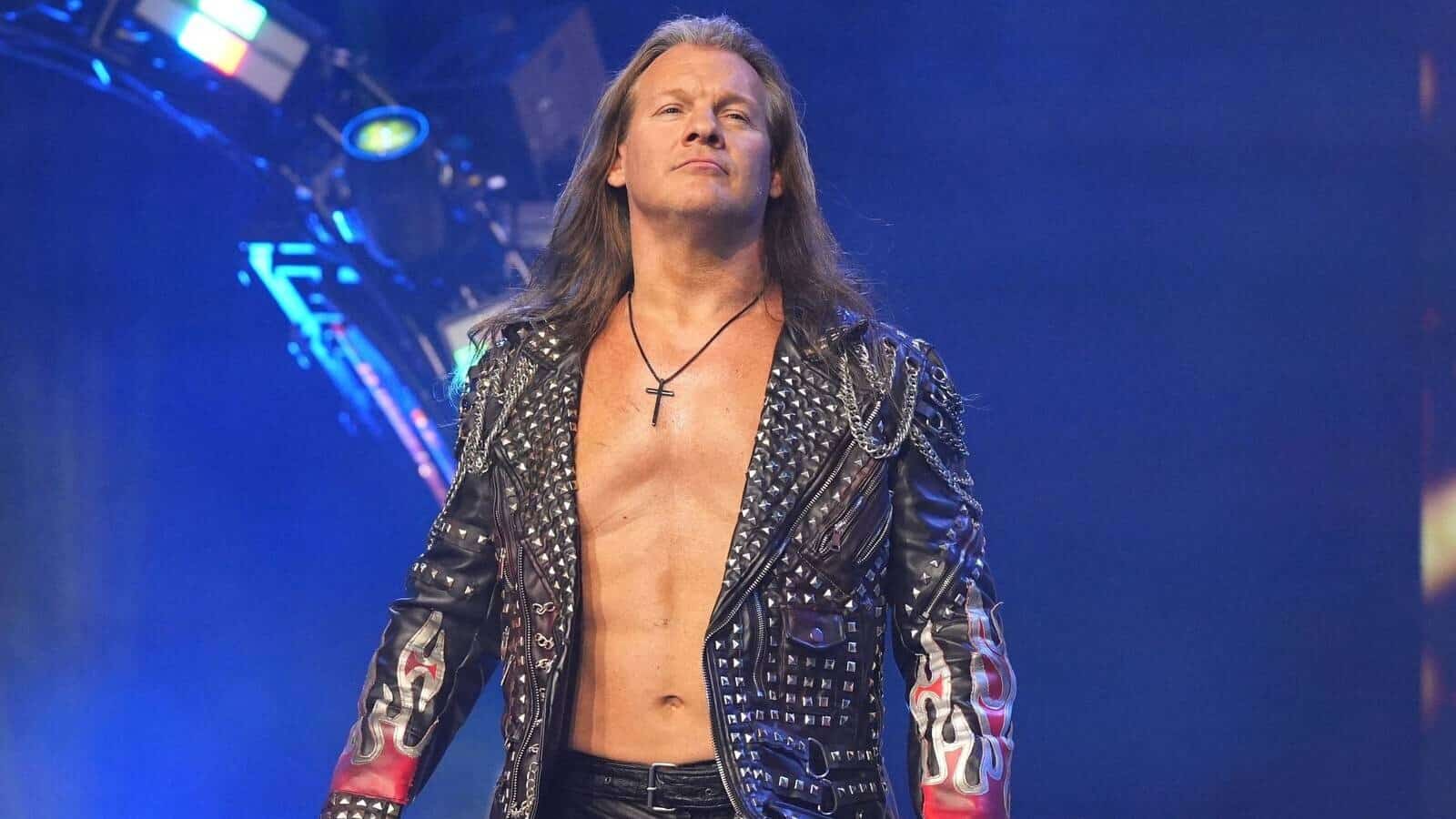
Chris Jericho remains a figure of intense fascination for those who monitor the industry's talent shifts. Recent reports regarding what might have occurred if a return to WWE had materialized highlight a specific vulnerability in modern booking strategies. Relying on veterans from past eras provides a temporary pop but often acts as a band-aid for long-term creative stagnation, as WrestlingNews.co reported earlier this week.
We are just 16 days away from WrestleMania 41 Night 1. The card is currently defined by established stars, yet the lingering curiosity about names like Jericho indicates a desire for the comfort of the familiar. It is a cynical approach that threatens to overshadow the actual progression of the current roster.
The cost of repeating the past
When writers look backward for a spark, they inevitably subtract minutes from the younger talent who need the exposure. WrestleMania 41 needs to be the stage for new definitive victories, not just a holding pattern for legends making cameo appearances. Bringing back established icons to fill spots often leads to short-sighted storytelling that leaves the mid-card talent spinning their wheels.
Consider the logistical reality of the 2026 calendar. With major events like the Champions League quarter-finals starting on April 07 and the World Cup on the horizon this June, the window for capturing global entertainment market share is narrow. WWE cannot afford to lean on nostalgia when the actual wrestling product requires aggressive innovation to keep viewers from flipping over to European football coverage.
The booking flaw
The biggest issue with the current creative direction is the lack of cohesive long-term payoff for the cruiserweight and technical divisions. There is a persistent trend of starting complex feuds only for them to taper off into inconclusive finishes on weekly television. A match should resolve a conflict, not set up a vague rematch for a minor pay-per-view three months away.
If the creative team is still hashing out what to do with external talent while the biggest weekend of the year looms, they are likely overthinking the presentation. Wrestling thrives when the stakes are clear and the physicality tells a coherent story. A 15-minute technical masterclass is worth infinitely more than a ten-minute segment of nostalgic banter that goes nowhere.
Predicting the impact
Moving into April 19, the tension will shift from behind-the-scenes speculation to actual ring performance. My prediction is that for all the chatter about potential returns or blockbuster surprises, the most defining moments of WrestleMania 41 will center on the performers who have been consistently active over the last six months. Stars like Ilja Dragunov or Gunther possess the high-work-rate credibility that makes a show feel legitimate.
I expect the main event outcomes to favor the full-time roster, but the booking team will likely compromise by forcing surprise appearances that dilute the emotional weight of those victories. Expect at least one championship match to end through interference to keep the door open for an unnecessary secondary feud. It is a safe, predictable play in an industry that desperately needs to be bolder.
The fans will show up, of course. Ticket sales for these major weekends rarely fluctuate based on creative quality alone. However, the true measure of success for WrestleMania 41 will not be the surprise returns but whether the matches maintain their intensity after the 15-minute mark when fatigue usually sets in. Anything less than a clean, decisive finish in the main event will be a failure of execution.