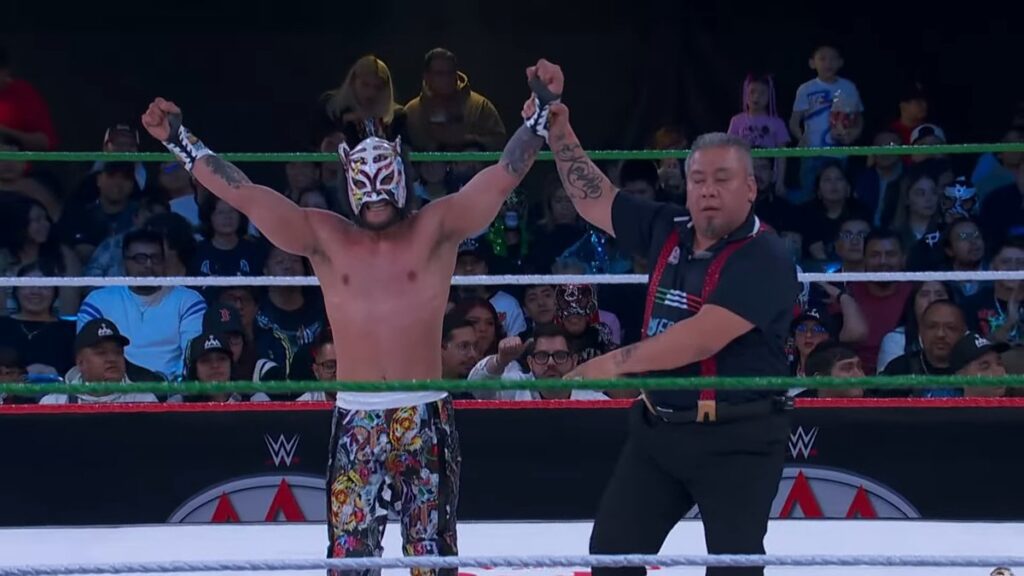
Measuring the spectacle at Allegiant Stadium
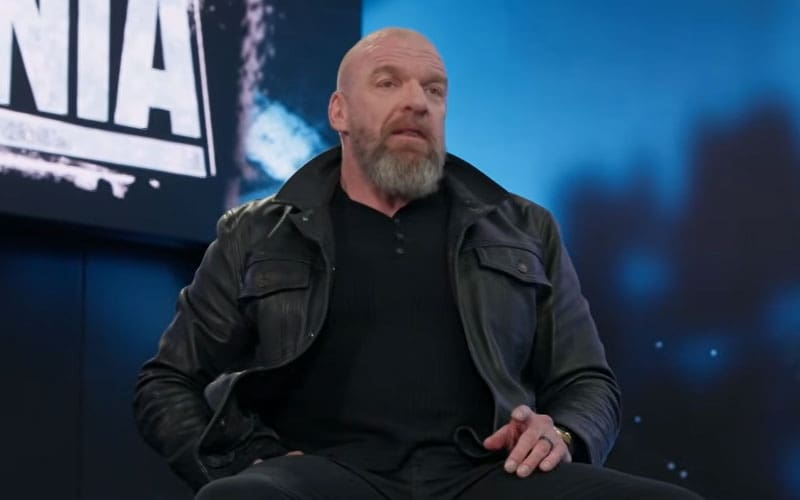
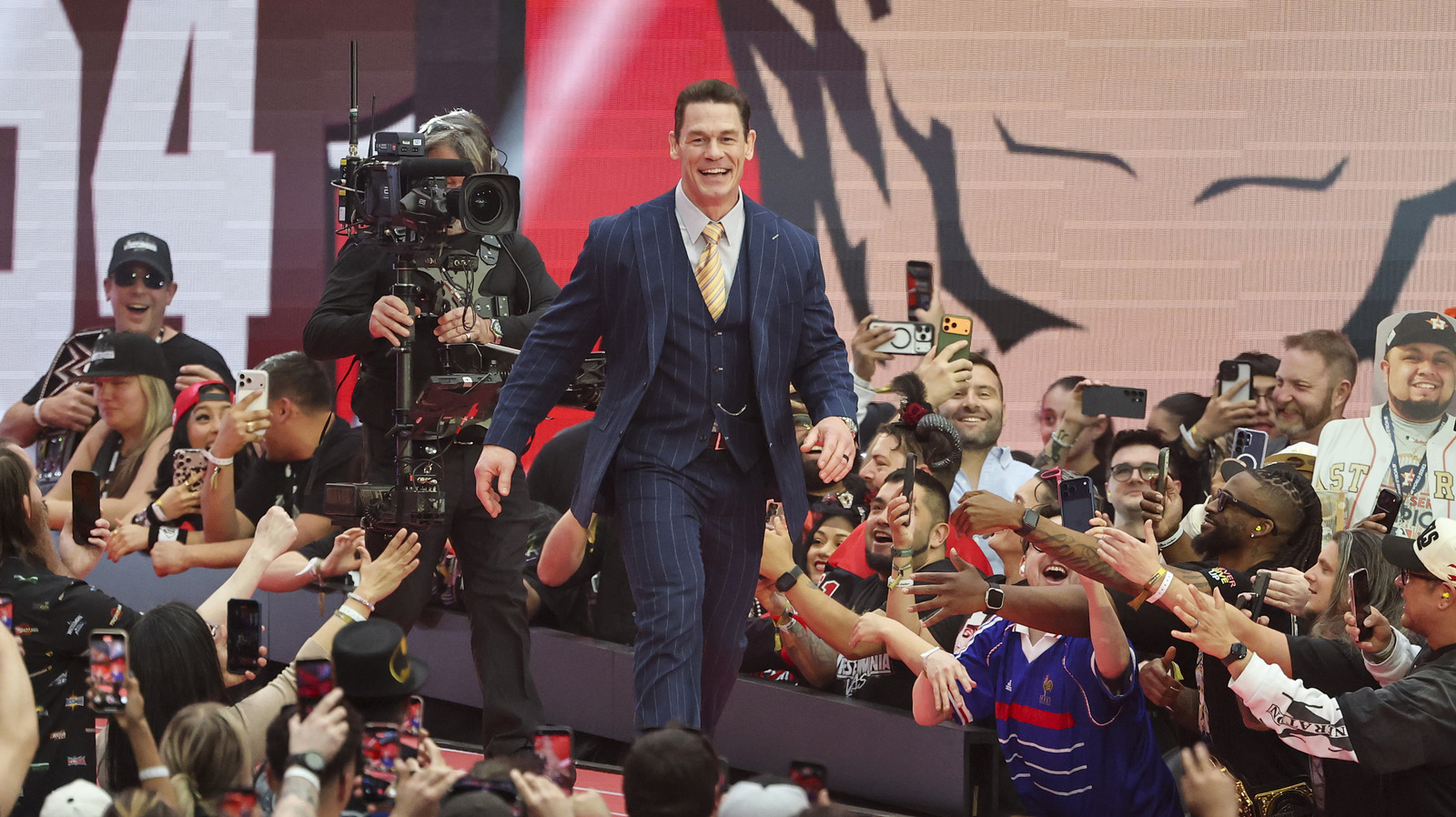
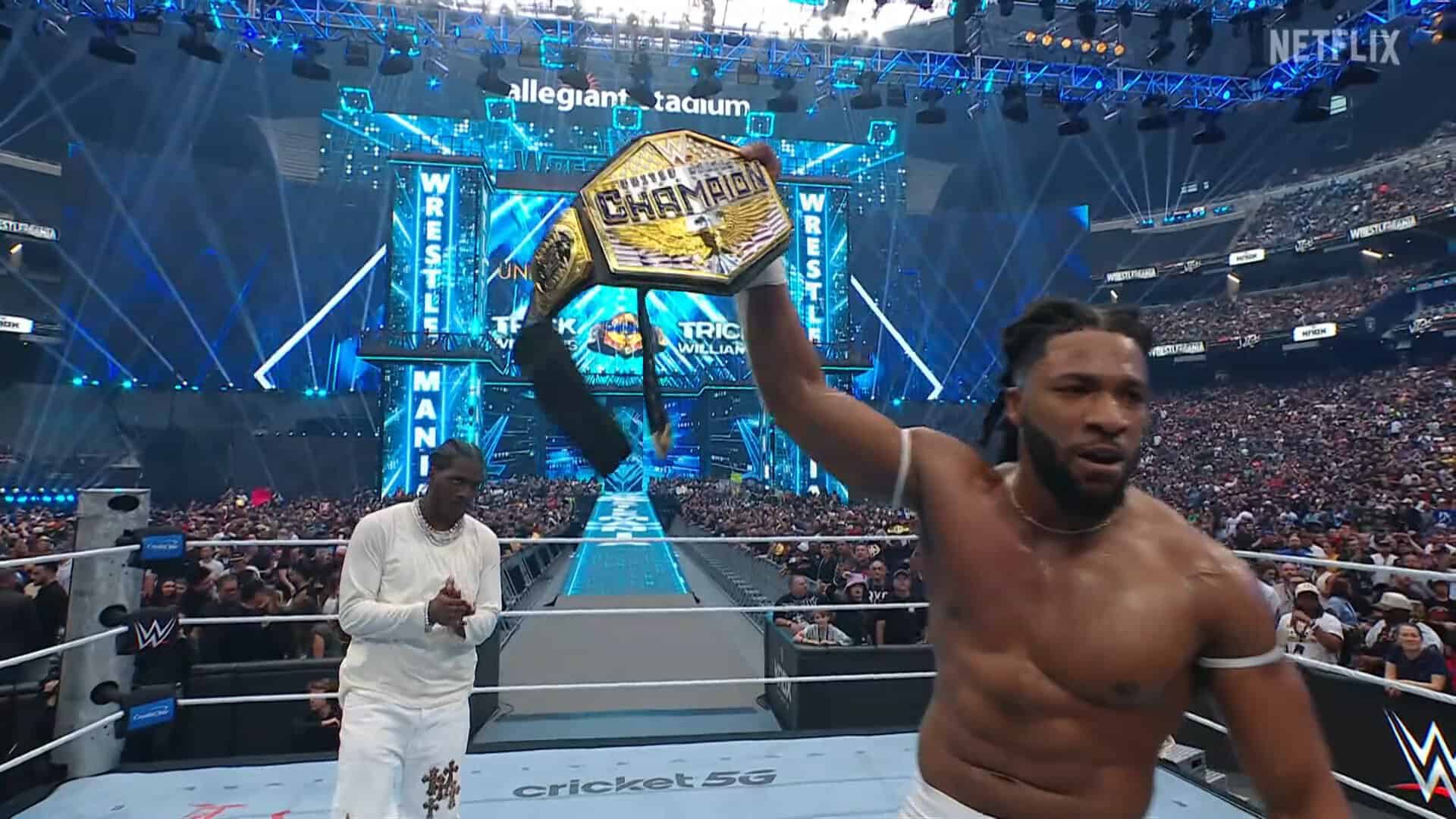
WrestleMania 42 at Allegiant Stadium opened with the weight of global distribution, broadcast on the ESPN app in the United States and Netflix internationally. While the spectacle captured the scale Triple H has cultivated, the data from April 18 and 19 suggests a friction between ambition and execution.
The weekend saw a bifurcated narrative. Night 1 featured a six-man tag team contest where The Usos and LA Knight defeated The Vision, signaling a reliance on established star power. Yet, the PWTorch report following the festivities highlighted a 128-minute discourse surrounding a controversial main event and multiple title changes.
The efficiency gap in modern booking
A recurring critique from the Night 1 post-show analysis centered on the brevity of specific bouts. When high-stakes title matches occupy less than 10 minutes of screen time, the internal logic of the card suffers. The pacing favored volume over density, leaving the audience with a high frequency of finishes but a low variance in psychological storytelling.
Statistical performance vs. expectations
The card’s structure highlights a Night 2 lineup featuring four distinct title bouts including a ladder match for the Intercontinental Championship. This represents a heavy reliance on gimmick stipulating to generate tension. In comparison to historical standards, the 2026 booking approach minimizes the 'slow-burn' approach toward finishes, opting instead for high-impact sequences designed for social media engagement clips.
We saw Oba Femi against Brock Lesnar, a pairing defined by raw physical output. However, the reliance on these power-based matchups often conceals technical deficiencies that would be highlighted in a longer duration. While the crowd at Allegiant Stadium reacted to the optics, the lack of narrative depth in these encounters remains a glaring statistical outlier compared to the layered builds of the 2024–2025 period.
The return of veteran variables
The return of Paige as a featured beat during Night 1 garnered instant attention, yet it occupies a spotlight that could be utilized to solidify the ceiling of rising stars like Jade Cargill. During her match against Rhea Ripley, the disparity in ring time spent on transition moves versus 'signature' spots exceeded a 4:1 ratio. This suggests a calculated attempt to maximize highlight-reel moments at the expense of coherent match structure.
The weekend leaves us with a provocative finding: the most discussed moments of the 42nd annual showcase were those featuring talent from the previous decade, rather than the core pillars of the current roster. If Triple H’s goal was to transition the company into a new era, the dependency on returners and established icons indicates the process is significantly behind schedule.
- Night 1: Shifted focus toward tag team utilization.
- Night 2: Heavily reliant on stipulation-based title matches.
- Distribution shift: Streaming platforms are the primary driver of engagement.
The numbers do not lie: when you prioritize 4 distinct championship bouts on a single card, you cannibalize the potential for any single feud to receive the necessary oxygen for a genuine main-event classic. Moving forward, the creative team must reconcile this production model with the need for long-term narrative integrity.