The Vegas Strip meets the squared circle
Five days. That is all that remains before the Allegiant Stadium floor is covered in black mats and the largest stage in the history of this industry is illuminated. WrestleMania 41 in Las Vegas feels different. There is a clinical, almost corporate efficiency to the buildup this year that mirrors the TKO era's broader strategy. We are no longer just watching a wrestling show; we are witnessing the final rollout of a global entertainment product that wants every cent in your pocket.
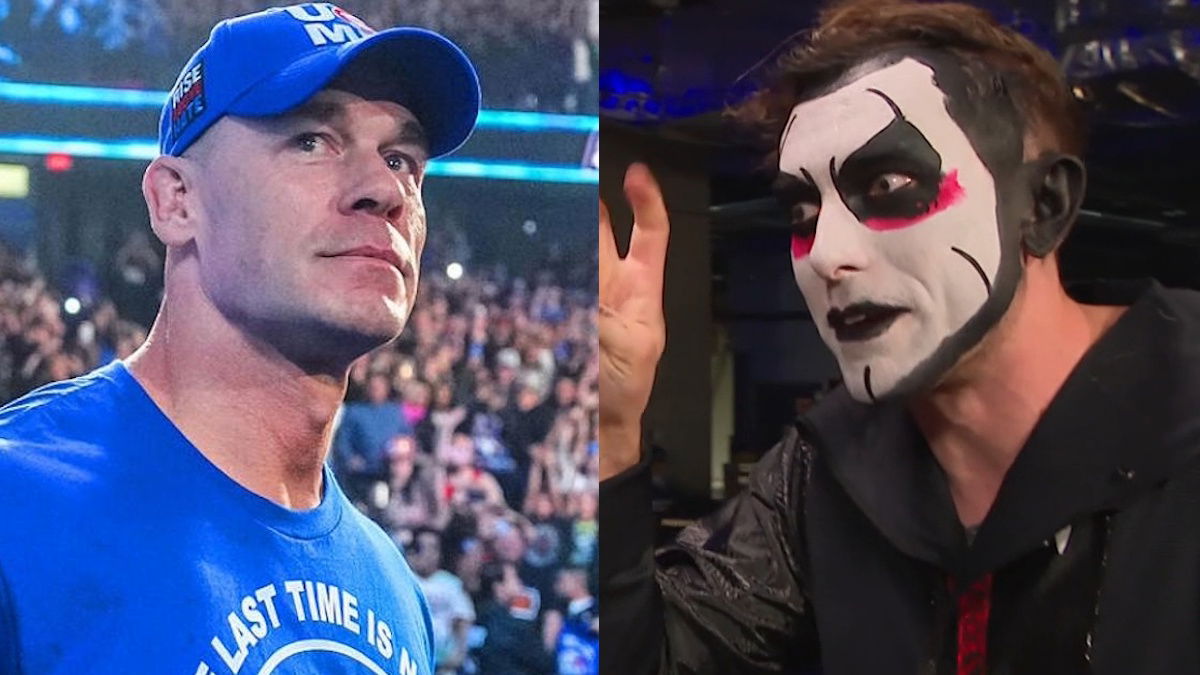
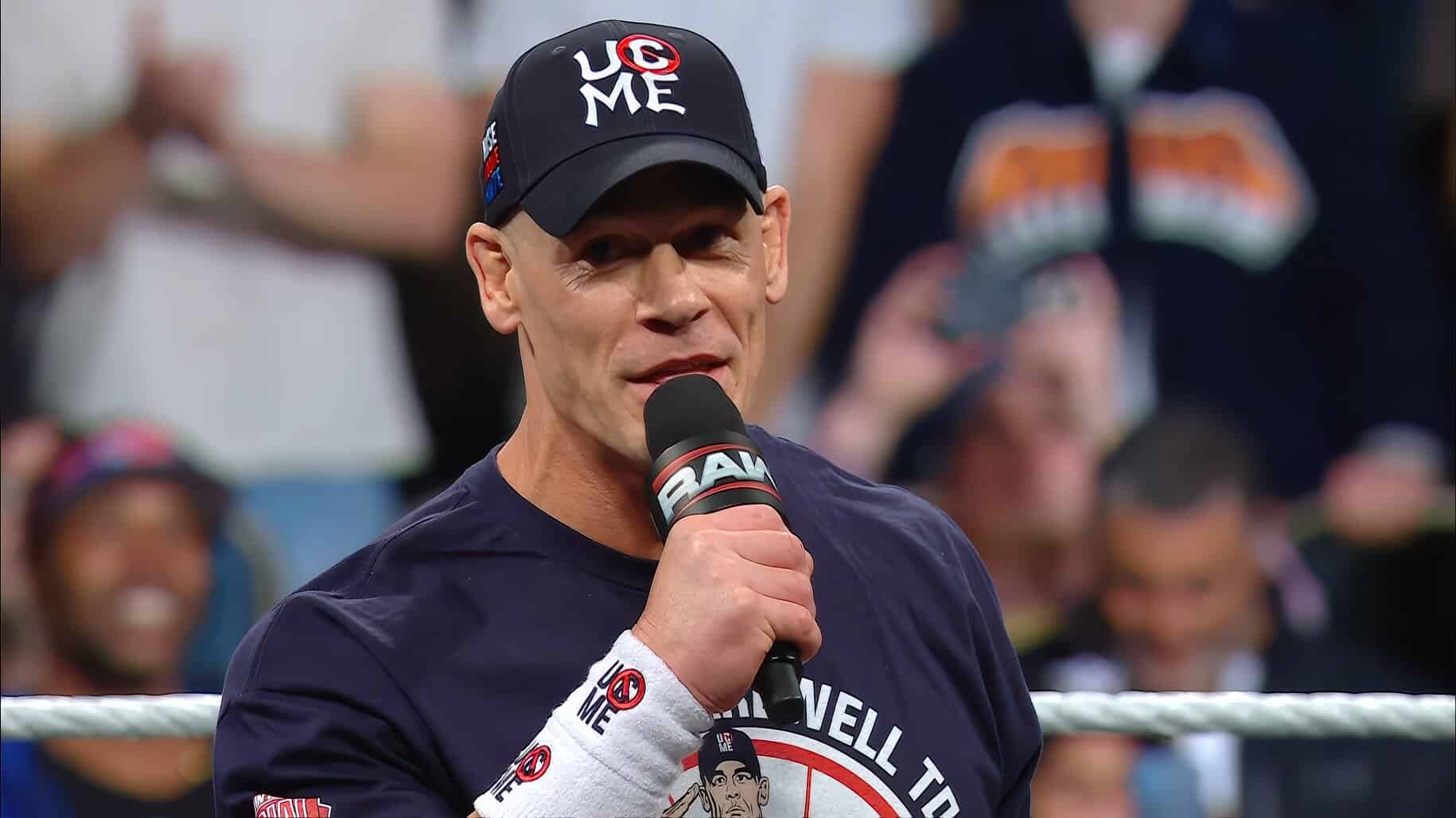
The headline for Night 1 is impossible to ignore: John Cena’s final match. For a generation of fans who grew up booing his colorful t-shirts and 'Five Moves of Doom,' the reality of his departure is starting to bite. Cena has spent the last year on a carefully curated farewell tour, but the tactical shift in his work has been the real story. He isn't the guy who can carry a 30-minute iron man match anymore. At 48, his game is built entirely on shortcuts and veteran savvy. He’s leaning into the 'Old Man Logan' aesthetic, selling his lower back after every vertical suplex and relying on his unparalleled ability to work a crowd with a single facial expression.
The monetization of the modern fan
While we prepare for Cena’s exit, the office is busy building new walls around the product. As WrestleTalk reported, the company has officially moved forward with 'Club WWE,' a membership fee-based program that recently hit the trademark office. It is a brazen move. In an era where fans already shell out for streaming services, travel packages, and overpriced merchandise, the introduction of a paid 'club' feels like a tax on loyalty. It’s a cynical play to segment the audience into 'haves' and 'have-nots' right as the biggest show of the year kicks off.
This corporate pivot is the negative shadow hanging over the weekend. The 'Club WWE' announcement coming just days before WrestleMania suggests that the 'Premium Live Event' model is no longer enough for the board. They want recurring revenue from the superfans. It makes the whole weekend feel less like a celebration of wrestling history and more like a high-end trade show where the attendees are the product. If you aren't in the club, are you even a 'real' fan in their eyes? It's a dangerous path to tread when your core product relies on the energy of the working class.
CM Punk and the tactical burden of Night 1
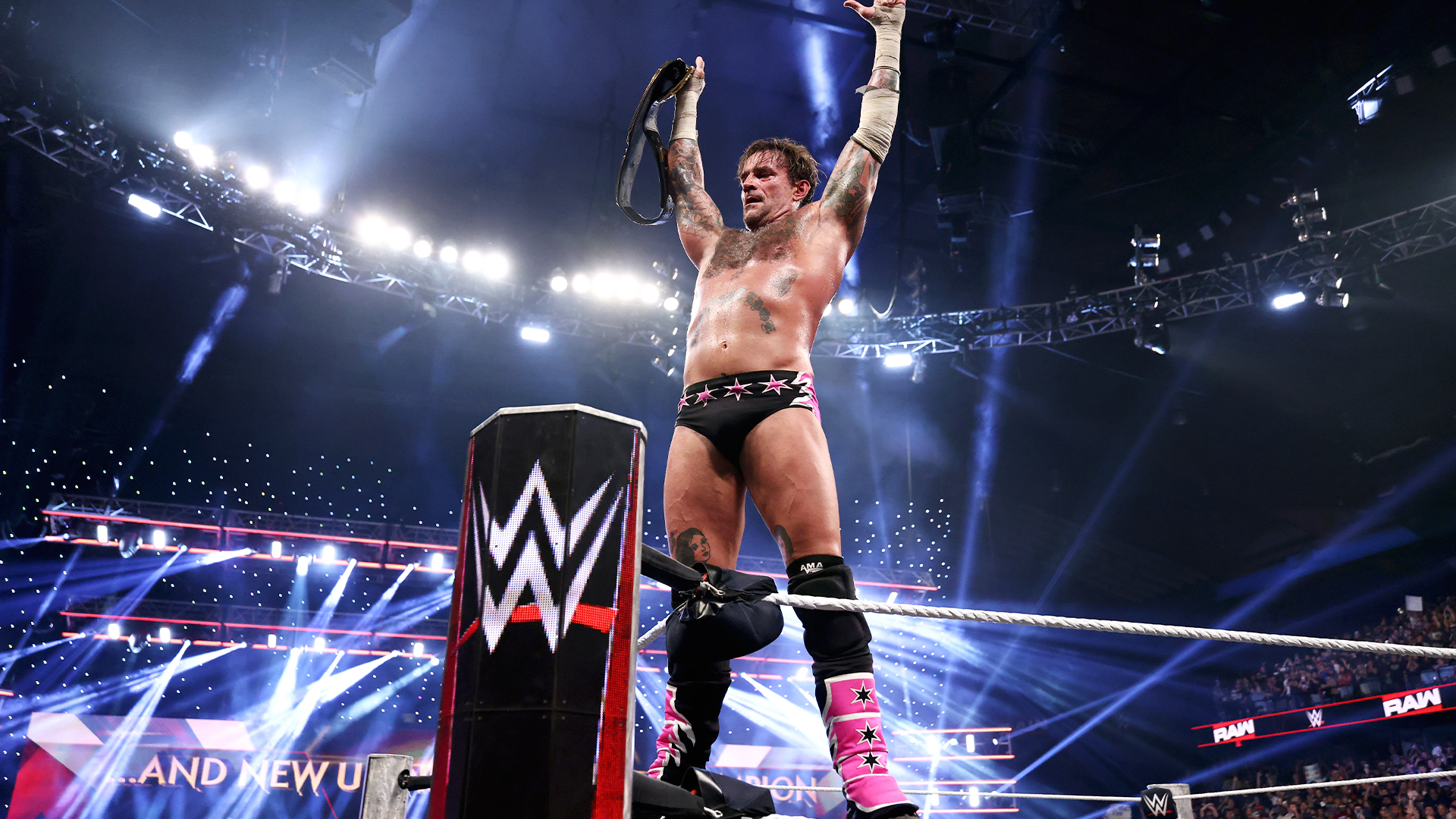
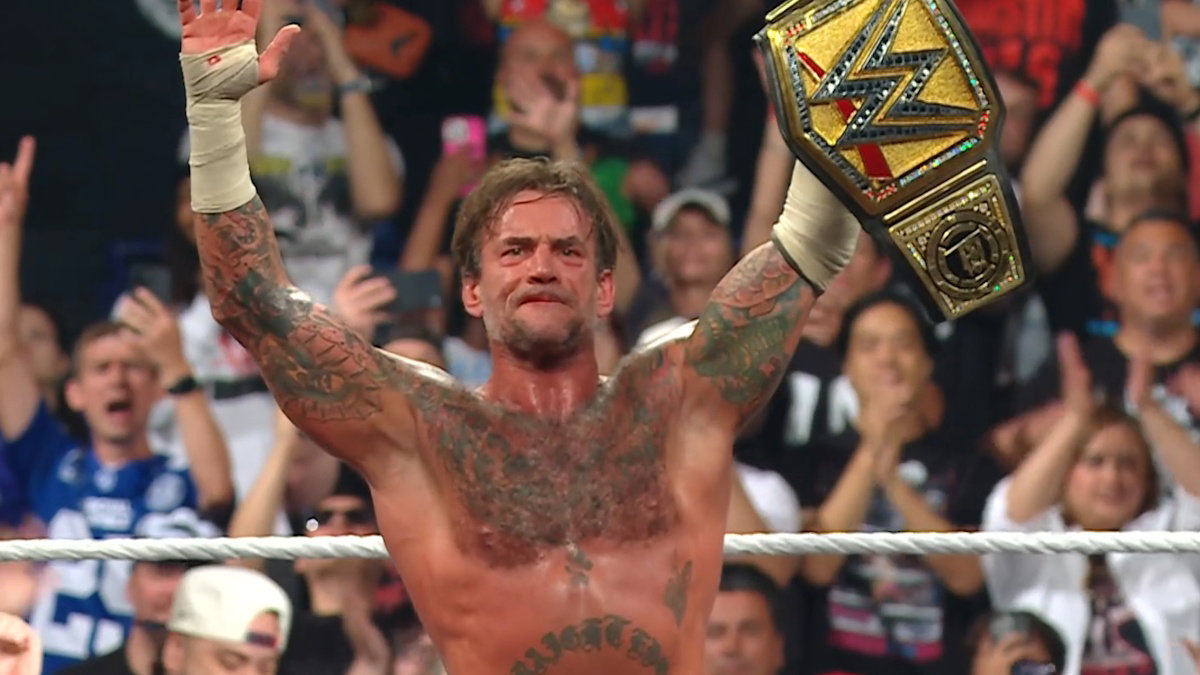
Aside from Cena, the spotlight on Night 1 falls squarely on CM Punk. This is his 'major match'—the one he returned for, the one he missed last year due to a torn triceps. Tactically, Punk is a fascinating case study in 2026. He doesn't have the explosive speed he possessed in 2011, but his striking has become more economical. Watch his footwork in the corner; he’s much better at cutting off the ring than he was five years ago. He’s evolved into a gritty, technical brawler who uses the environment to hide his physical limitations.
The concern for Punk is his gas tank in the Vegas heat, even with the stadium roof closed. In his last few televised outings, he started to look heavy-legged around the 15-minute mark. If his opponent decides to push the tempo early with high-intensity transitions and frequent dives, Punk will be forced to slow the match down with chinlocks and ground-and-pound tactics. This could lead to a clunky middle act if the chemistry isn't perfect. He needs to dictate the pace from the opening bell, or he risks being exposed by a younger, faster athlete who doesn't respect his legend status.
The Bloodline shadow and the Cody Rhodes problem
Even though Cody Rhodes and Roman Reigns are the focus of Night 2, their presence will be felt throughout the Saturday card. The Bloodline story has been the backbone of WWE programming for years, but the cracks are widening. We’ve seen too many 'referee bumps' and run-ins lately. It’s become a predictable trope that threatens to undermine the technical quality of the matches. If Night 1 ends with yet another convoluted Bloodline brawl, the audience in Allegiant Stadium might finally start to turn.
Cody is carrying the weight of the entire company on his shoulders. He has been the model champion, but the booking has often played it too safe. There’s a lack of edge in his recent promos, a sense that he’s become the corporate spokesperson rather than the defiant challenger. He needs a moment on Saturday—perhaps a brief confrontation or a backstage segment—that reminds us why we fell in love with his journey in the first place. Without that spark, the main event of Night 2 feels like a foregone conclusion rather than a competitive struggle.
Pacing, production, and the Vegas factor
Expect Night 1 to be heavy on spectacle. Vegas allows for the kind of over-the-top entrances that make WrestleMania feel like a different sport. We’re hearing rumors of drones, live bands, and pyrotechnics that would make a Super Bowl halftime show look like a middle-school play. But don't let the shiny exterior distract you from the workrate. The mid-card matches need to deliver or the crowd will go flat before the heavy hitters emerge.
The production team has been experimenting with new camera angles—more low-shot steady-cam work during the entrances and tighter shots during the 'hope spots' in matches. It adds a cinematic quality, but it can occasionally hide the impact of the moves. I want to see the stiff strikes and the genuine sweat. I want to feel the impact of a powerbomb on the apron without a quick-cut edit. The obsession with being 'prestige television' sometimes forgets that wrestling is, at its heart, a physical struggle between two people in a ring.
The critical failure of the tag team division
One major gripe I have heading into this weekend is the state of the tag team division. It has been treated as an afterthought for months. The belts feel like props for singles stars who have nothing else to do. We should be seeing high-speed, 20-minute tactical masterclasses between established teams. Instead, we’re likely getting a multi-man ladder match or a rushed four-way that prioritizes 'spots' over storytelling. It’s a waste of the talent on the roster and a disservice to the history of the division.
A ladder match in a stadium that holds 65,000 people is a logistical nightmare. Half the audience can't see the fine details of the limb work or the subtle tension of a climb. They only see the big falls. This leads to wrestlers taking unnecessary risks just to get a reaction from the nosebleeds. It's 'junk food' booking—satisfying in the moment, but it leaves you feeling empty ten minutes later. Someone needs to step up and prove that tag wrestling can still be a main-event draw without the hardware and the gimmicks.
Final Prediction: The Cena Paradox
John Cena is going to lose. He has to. In this business, you go out on your back. It is the final tradition that still matters. Whether it’s a sudden roll-up or a decisive finisher, Cena will look up at the Vegas lights one last time while his opponent celebrates. It’s the right call for the future, even if it breaks the hearts of the kids in the front row. Cena has nothing left to prove, and his final contribution should be the elevation of someone who will be around for WrestleMania 50.
As for the 'Club WWE' era, the success of this weekend will be measured in 'conversions' and 'sign-ups' by the suits in the back. But for those of us who watch the tape, the metric is simpler. Did the matches matter? Did the stories reach a logical conclusion? My confidence level that we get a classic on Night 1 is 100% because, corporate greed aside, these performers know that the Vegas spotlight only shines this bright once. Buckle up; it’s going to be a long, expensive, and unforgettable weekend.
Read Next
- WWE just trademarked 'The Mog Squad' and I am losing my mind
- Mami vs. Jade is the only heavyweight fight that matters at WrestleMania 41
- TNA is finally escaping the shadow of its own graveyard
- Las Vegas is about to become a wrestling mosh pit
- 🏆 WrestleMania 41 — Full Coverage Hub
- 👴 John Cena Retirement Tour 2026