The looming shadow over the showcase
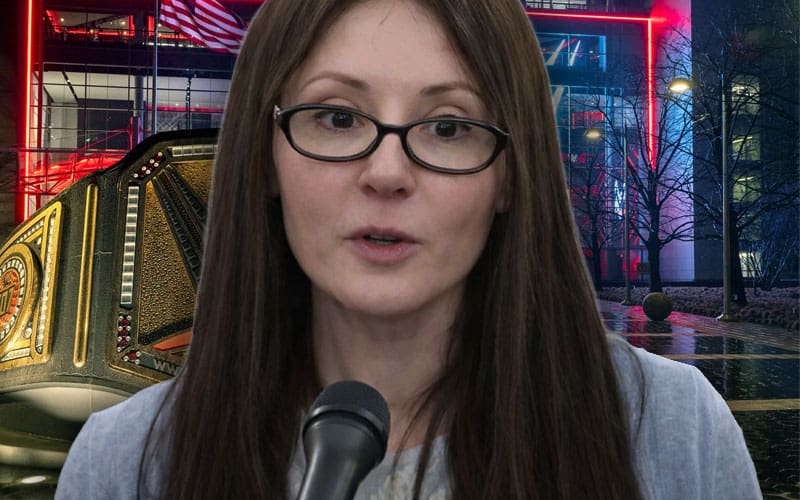
WrestleMania 41 arrives on April 19, 2026, sitting in a strange, bifurcated position. On one side, the booking team is clearly pushing for a new era of multi-arc storytelling. On the other, the recent court filings involving Janel Grant, Vince McMahon, and Brock Lesnar have turned the atmosphere noticeably sterile. It is difficult to digest the spectacle of the ring when the corporate archives are being pried open by legal teams.
This creates a tactical problem for the creative directors. How do you pitch a high-adrenaline product when the audience is constantly reminded of the rot in the foundation? The current strategy seems to be a loud, aggressive pivot toward viral engagement. We saw a glimpse of this recently when LA Knight crashed a stream with IShowSpeed, as WrestlingNews.co documented. It is a desperate reach for the Gen Z attention span, hoping that internet clip culture can outweigh the dense, ugly reality of the litigation.
The creative shift toward condensed arcs
In terms of pure in-ring product, the shift away from the 500-day title reigns is a necessary correction. WrestleMania should be the payoff, not a mid-point for a long-winded champion who has already beaten every viable challenger. The move toward shorter, more volatile arcs suggests an understanding that the audience has grown tired of predictable booking, a criticism often leveled at the previous regime.
However, the execution remains uneven. We see promising technical sequences neutralized by sloppy interference spots. When the high-stakes matches rely on referee bumps rather than clean finishes, it exposes a lack of confidence in the talent to tell stories without the crutch of overbooking. WrestleMania 41 needs to be about clean decisive wins, not the standard 3.5-star outings that feel like they were scripted by a committee rather than wrestlers.
What to watch for at the showcase
If you want to track the actual health of the company, look at the opening match of Night 1. Traditionally, the opener sets the standard for the intensity of the entire weekend. If they place a heavy-hitters match in this spot, it suggests they are trying to regain momentum immediately. If they bury a mid-card title defense under celebrity segments, it proves these external legal pressures have forced management into a risk-averse, circus-like presentation.
- Monitor the placement of the belt transitions: Are they hitting the 15-minute mark or going long for the sake of padding?
- Watch the crowd reaction during segments involving legacy names linked to the ongoing legal documentation. Silence is a much louder critique than a boo.
- Observe the shift in camera work. Notice if they are pivoting away from close-ups when tension rises in certain plotlines.
A cautious path forward
The booking team is playing with fire. They want the headlines to be about the athleticism, but they cannot scrub the search results of the lawsuits. My expectation for the weekend is a high-production, low-substance affair where the matches are competent but the storytelling feels held back by a legal muzzle. We are likely looking at a 60% chance of a clean main event finish, as they will be desperate to avoid controversy that might distract from the show's conclusion.
Predicting the results is moot when the objective is clearly to manage perceptions rather than provide catharsis. I expect they will favor the younger stars for the optics, even if the veterans are currently putting on more technically polished bouts. Keep your expectations low for the narrative depth, but expect the pyrotechnics to work overtime to distract you from the empty seat in the board room.