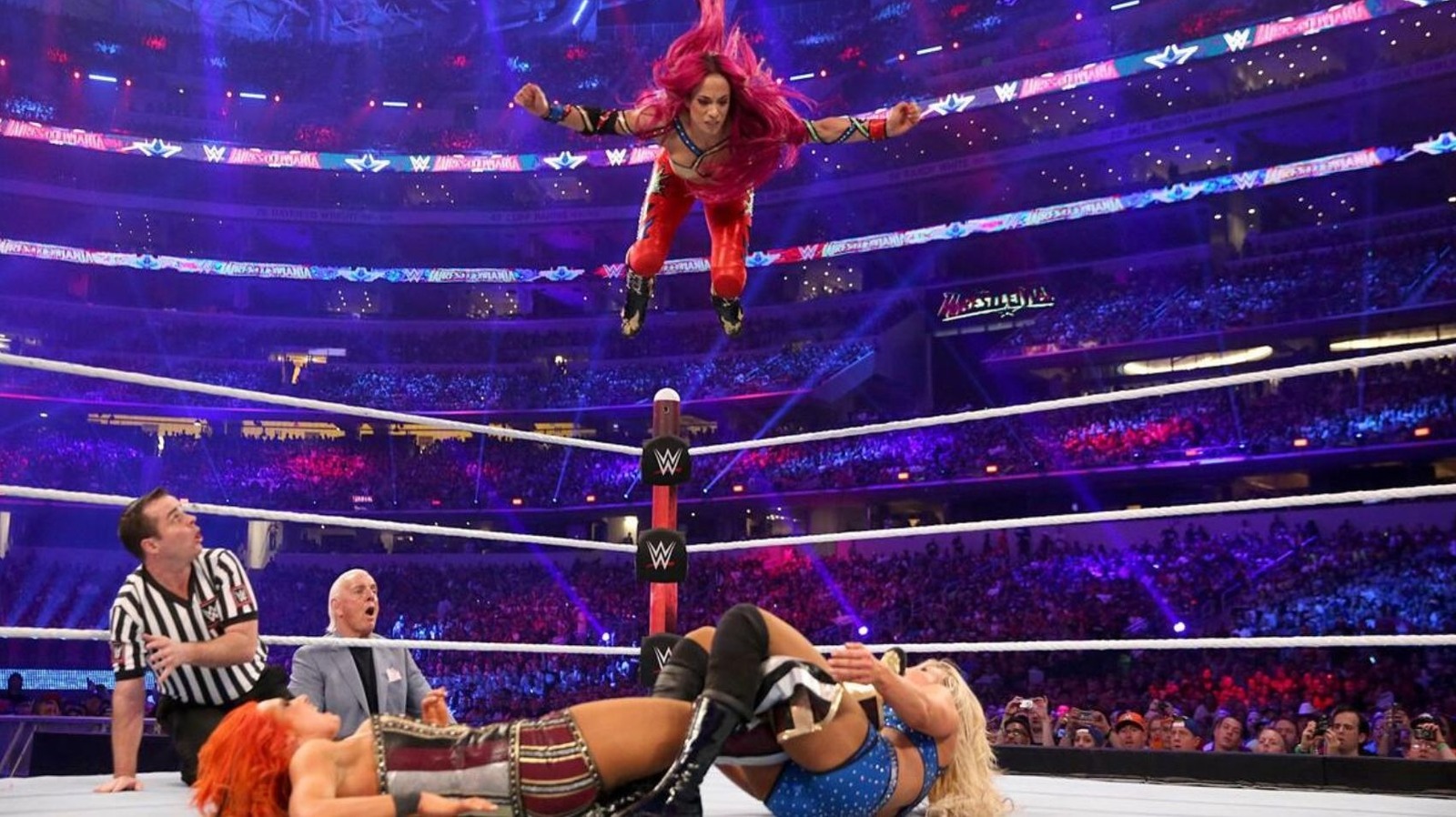
The shadow cast by the 2016 triple threat
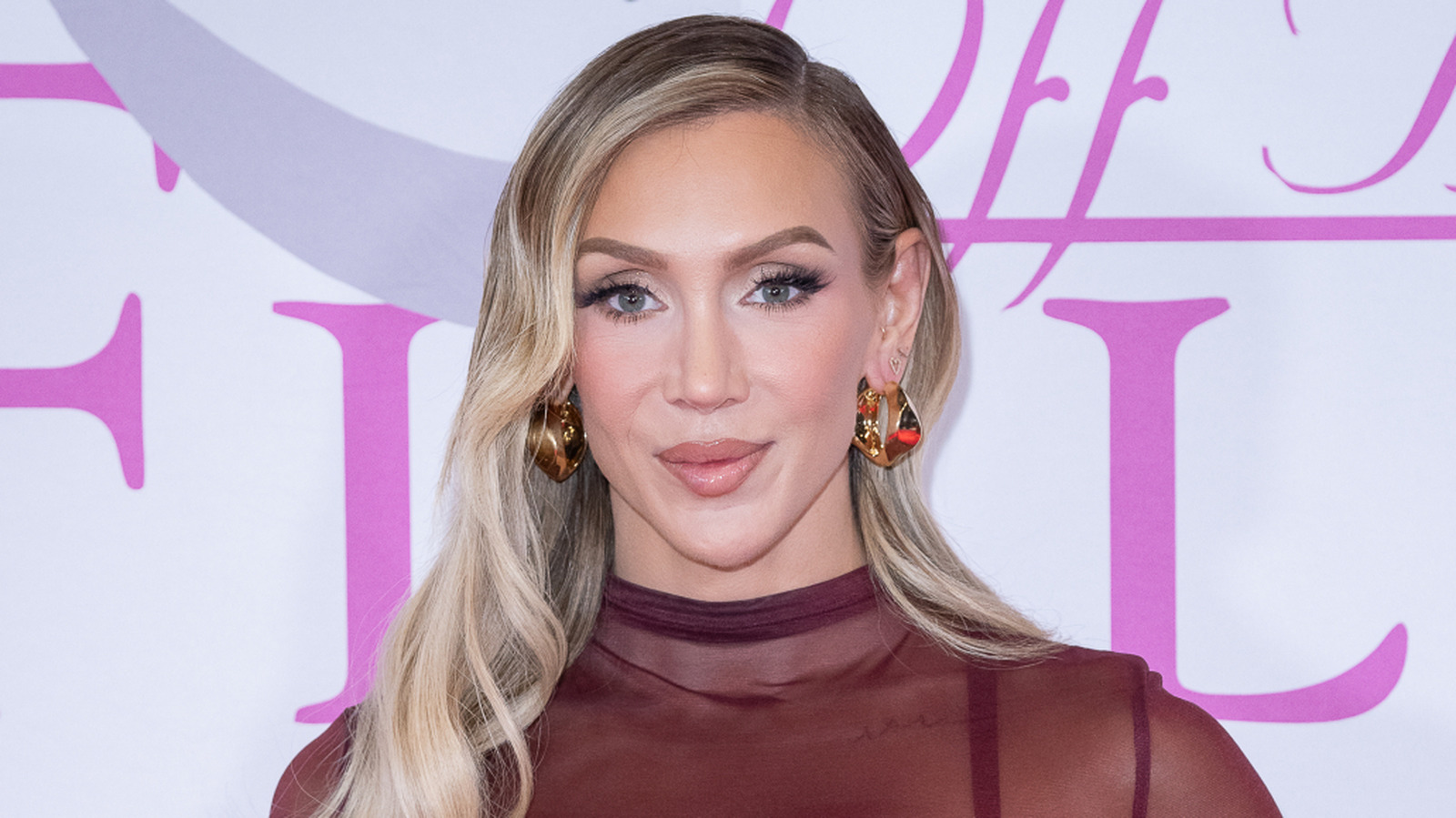
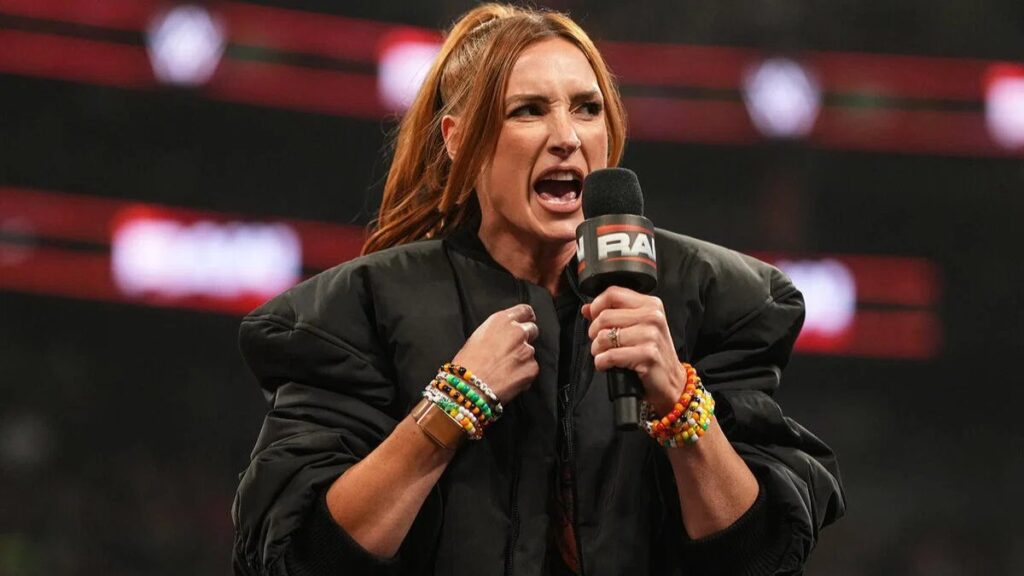
April 3, 2016, remains a fixed point in the wrestling calendar. Exactly one decade ago, Charlotte Flair, Becky Lynch, and Sasha Banks transformed the perception of women's athletics in a stadium setting. That WrestleMania 32 performance proved the division could handle the top spot on the marquee. We are now witnessing the ripple effects of that standard as we approach WrestleMania 41.
The match was not without its uneven edges. Some transitions felt clipped—a result of the ambitious triple-threat pacing required to keep the pace brisk with nearly 100,000 in attendance. Yet, the final sequence remains the gold standard for high-stakes booking. The moonsault from the top rope by Flair remains a visual anchor for any student of the game.
The evolution of the standard
Today's locker room lives in a different reality. The industry saw a massive spike in general audience interest following the 2016 turning point, but recent booking has occasionally stagnated. We see far more reliance on nostalgia acts rather than building new marquee stars who can mirror the athleticism of that 2016 trio.
Look at the work rate metrics from a decade ago compared to modern house shows. In 2016, the average match time for high-profile women's bouts hovered around the 15-minute mark. Today, that has fluctuated wildly. We now see shorter bursts of offense followed by heavy commercial breaks, which disrupts the flow of the bouts.
Missing the technical consistency
The biggest critique of the current era is the predictability of the finish. WrestleMania 32 succeeded because the winner felt earned through a specific accumulation of damage. Currently, we see too many protected finishers that lack the sting of older, more grounded technical wrestling.
- Charlotte Flair remains the benchmark for physical output in big-match scenarios.
- Becky Lynch defined the emotional arc of modern underdog storytelling.
- Sasha Banks established the risk-reward ratio for high-flying maneuvers inside the squared circle.
The 2016 clash hit a score of roughly 4.75 stars by most critical metrics of the time. Comparing that to the build-up for the upcoming card in Las Vegas, the current roster lacks a singular narrative thread that ties the entire women's division together. They have the talent, but the creative direction currently feels scattered across too many subplots.
Prediction for the division's trajectory
If the company intends to recreate the magic of 2016 at WrestleMania 41, they need to stop leaning on past glory. The athleticism on display today is superior to the mid-2000s, but the psychology is often lacking. My prediction is that until the booking team returns to a long-game, match-specific buildup, the division will miss the mark of its predecessors.
The upcoming show in Las Vegas must allow for technical risks and longer, more complex sequences. If they go back to the 7-minute match format, the 10-year anniversary of the 2016 revolution will only serve to highlight everything the current writers have failed to sustain. The talent is capable; the road map is what needs a total rewrite.