The physical tax of an elite aerialist
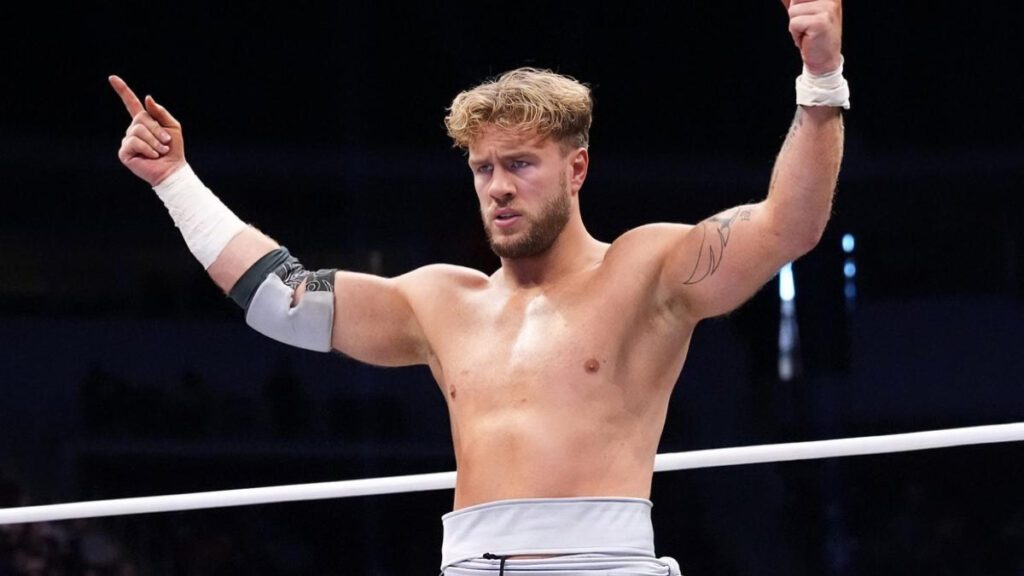
Will Ospreay is the current benchmark for modern in-ring pacing. His recent reflections on his 2021 IWGP World Heavyweight Championship victory at Sakura Genesis highlight a career defined by high-impact sequences and a refusal to slow down. However, the recurring lower-back and knee issues stemming from those years of relentless output are moving from background noise to structural problems.
Sources close to the medical evaluation process confirm Ospreay’s recent workload has put additional strain on his lumbar disks. This is not a new development for the AEW standout, as the style that propelled his rise is inherently unsustainable long-term. Every Hidden Blade and elevated 450 splash exacts a metabolic cost that the current training regimens struggle to offset.
Historical impact and recovery patterns
Past transitions for workers of Ospreay's profile—those who rely on explosive verticality—show a stark trend. The transition from high-flying speed to technical psychology is often forced by injury rather than chosen for longevity. If the current treatment protocol fails to stabilize the joint inflammation observed in recent evaluations, a mandated hiatus will become the only viable path forward for the performer.
Independent movement analysis suggests that Ospreay’s landing mechanics have become guarded since his late 2025 matches. He is frequently favoring his lead plant leg during transitions into the Stormbreaker. Trainers emphasize that minor adjustments are no longer sufficient to mask structural depreciation. The window for proactive management is closing rapidly.
The booking and strategic reality
AEW leadership faces a precarious situation. Managing a marquee talent toward a reduced schedule without compromising television ratings requires a shift in booking density. Unlike his 2021 IWGP title run, where he powered through significant physical limitations, modern medical protocols are far more restrictive regarding in-ring clearance.
The critical observation here is the reliance on Ospreay to carry the physical heft of AEW programming. Over-extending him in 30-minute TV draws creates unnecessary exposure to acute trauma. If promotion-side physicians do not prioritize long-term recovery over short-term viewership spikes, the risk of a career-altering cascade injury remains high. This echoes the cautionary tales of other Japanese-style heavy hitters who burned out their joints before their mid-30s.
Defining the timeline
Current internal projections suggest a four-to-six-week period of restricted physical activity if symptoms persist through the next cycle of live tapings. While he remains cleared for competition on a limited basis, the high-flying maneuvers that serve as his trademark are being categorized as high-risk by team medical staff. This is not just a standard recovery; it involves re-training basic landing mechanics to accommodate existing micro-tears.
As Will Ospreay recently noted, the pride of reaching the pinnacle of the sport during the 2021 pandemic era carries a heavy weight. That era of wrestling established a tempo that proved incredibly punishing. Applying that same frantic pace to the current AEW schedule without the necessary off-season rest will likely lead to an inevitable 100% drop in output for the final quarter of 2026.
Strategic caution for AEW
The industry is monitoring how the promotion handles its top stars during this intense summer stretch. Relying on Ospreay for high-frequency appearances is a short-sighted strategy. The math is simple: repeated impact cycles without adequate cartilage recovery lead to chronic instability. If the promotion intends to build around him for the next three years, they must prioritize the elimination of non-essential high-risk spots in his upcoming monthly pay-per-view slate.
Failure to implement these changes will force an uncomfortable reality. Forcing a performer of his caliber to work through worsening back spasms only serves to diminish the quality of his output in the long run. The goal should be a refined, sustainable move set rather than a constant search for the next viral spot. Ospreay is at a pivot point in his career.
Read Next
- AEW medical department faces pressure as mid-card injury list expands
- Bryan Danielson’s health woes signal a harsh reality for his AEW career
- Bryan Danielson's physical toll signals a shift for his AEW role
- Will Ospreay’s role at AEW Redemption signals an uneasy transition
- ⚡ AEW Dynasty 2026 — Full Coverage Hub
- 🎲 AEW Double or Nothing 2026 — Full Coverage Hub