The cost of the aerial game
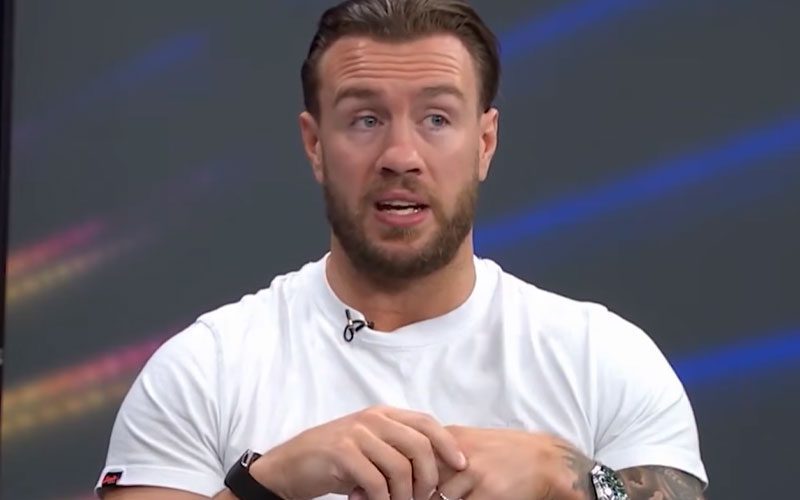
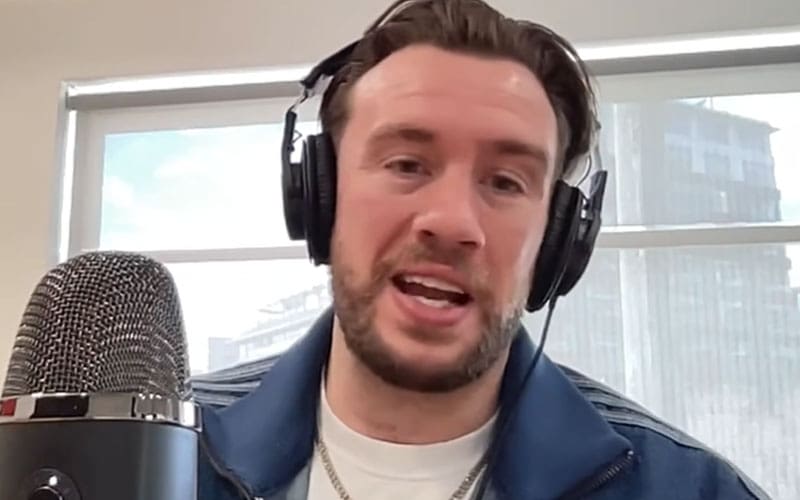
Will Ospreay is actively deconstructing his own wrestling style. The AEW star has confirmed that his recent neck surgery was not merely a precautionary measure but a necessity following prolonged neurological symptoms. The high-flyer revealed he periodically lost sensation in his arm during matches before finally seeking surgical intervention.
This recovery process has forced a permanent evolution in how Ospreay competes. He has explicitly stated that he is stripping his current arsenal of specific moves that directly exacerbate cervical disc strain. While Ospreay has not publicly disclosed the exact move being retired, the implications for his match pacing are significant.
The Jericho warning and the reality of the grind
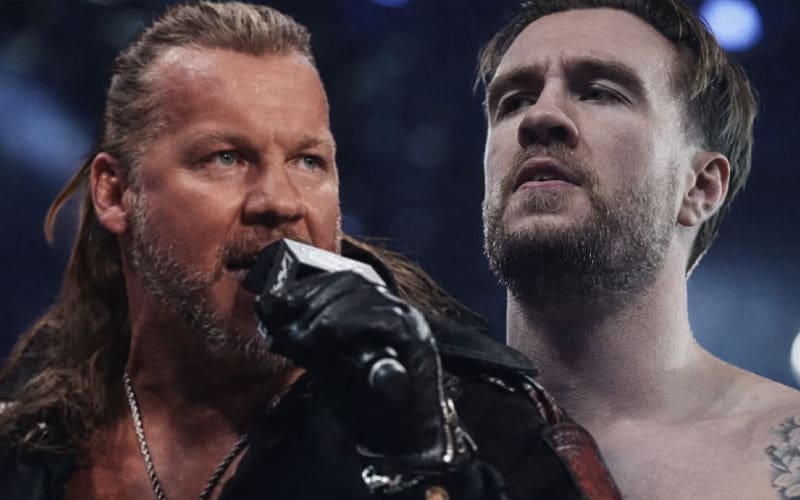
The transition toward a safer, more sustainable style comes after years of ignoring red flags. Chris Jericho famously warned Ospreay about the long-term toll of his aerial offense during their early overlaps in international circuits. Ospreay now admits that the advice was accurate, serving as a bitter reality check for a performer who spent his twenties defining the "modern high-flyer" archetype.
This injury pattern reflects a wider issue within the industry regarding the "bump card" threshold. Ospreay’s case mirrors the career-shortening paths taken by previous independent heavy hitters who refused to throttle back until the body forced the issue. For a talent whose contract and marketability are tethered to elite-level athleticism, this reduction in output is a strategic necessity rather than a stylistic choice.
Strategic movement vs. career longevity
Ospreay remains firm on his decision to reside in the United Kingdom despite his prominent AEW role. The travel schedule involved in flying from the UK to the United States for television tapings undeniably adds strain to the healing process. Constant transit, combined with the pressure to maintain a highlight-reel pace, remains a questionable logistical choice for someone actively recovering from spinal surgery.
The risk here is clear: Ospreay is attempting to balance the demands of a top-tier roster spot with a physiology that has begun to revolt. It is a balancing act that rarely favors the wrestler. If he fails to properly integrate his new, grounded style, he risks moving from a temporary setback to a chronic condition that could sideline him indefinitely.
The wider trend of emergency medical events
The industry focus on high-risk surgery follows other notable health scares, including Austin Theory’s recent emergency room visit. These incidents highlight an ongoing problem with managing the physical output of performers who are expected to produce viral content weekly. While the fan experience benefits from the speed of modern wrestling, the toll—measured in nerve damage and spinal integrity—is becoming impossible to ignore.
Ospreay’s path forward depends on his discipline in the ring. The willingness to retire signature moves is the first sign of a veteran mentality. However, the true test will occur when he is back in the main event of a pay-per-view. The instinct to reach for that high-risk sequence will return, and his ability to decline it will determine the next five years of his career. As it stands, he is currently working at 85% capacity compared to his pre-surgical output. Whether this holds for the long term remains the primary concern for the AEW medical staff.
Read Next
- Will Ospreay faces his past as AEW Collision struggles for relevance
- TNA talent instability sparks major industry exit rumors
- Maxwell Jacob Friedman is about to change the math of the AEW title picture
- Lance Archer's AEW exit might be the most underrated roster shakeup of the year
- ⚡ AEW Dynasty 2026 — Full Coverage Hub
- 🎲 AEW Double or Nothing 2026 — Full Coverage Hub