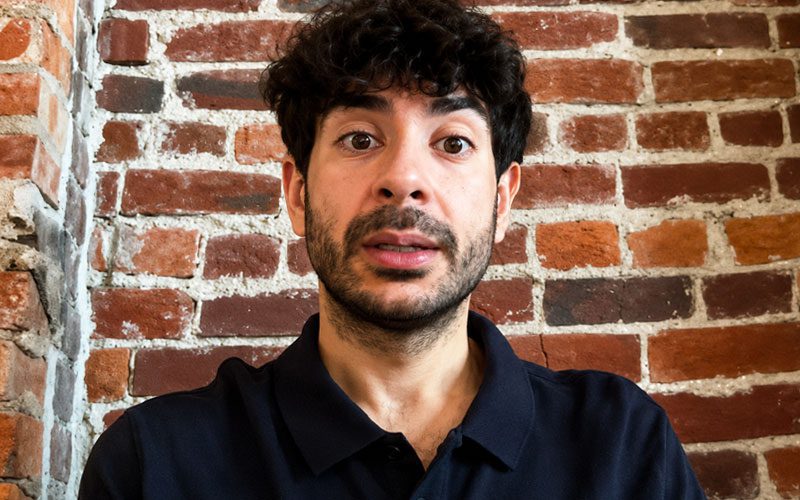
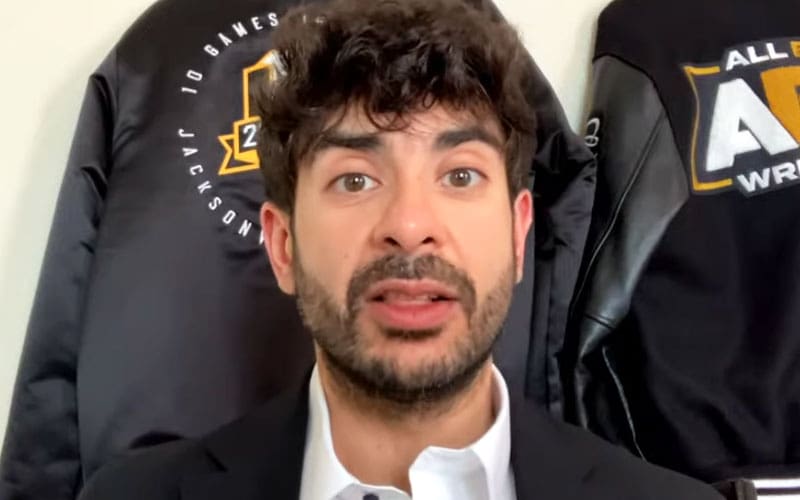
The mounting toll of AEW’s title-heavy booking
AEW is navigating a complex medical period as multiple key performers exit television storylines to manage physical ailments. The company's internal approach to title volume, which Tony Khan recently defended, puts a premium on high-intensity output for secondary belts. When rosters are pushed to defend multiple championships across collision-heavy formats, the risk of fatigue-based injury rises significantly.
This reliance on high-frequency title defenses creates a bottleneck where depth becomes the differentiator. Currently, the medical team is juggling recovery timelines for top-tier names while simultaneously tracking the progress of mid-card talents involved in recent physical altercations. It is a reality of the promotion's style: fast-paced, move-intensive matches that place immense strain on connective tissue.
Historical context and strategic risks
The company is not new to this problem. Previous seasons saw significant momentum shifts whenever marquee talent spent extended time on the injured reserve list. History shows that when the championship count increases rapidly, the probability of booking changes due to medical clearance rises in tandem. It is a structural trade-off between the desire for constant action and the physical limits of the athletes involved.
Tony Khan’s public stance suggests he views the volume of gold as a necessity for content delivery. However, the operational side of the house must reconcile that philosophy with the harsh data of recovery times. If the promotion continues to prioritize frequent defended titles, they likely need to implement more rigid load management protocols to prevent minor bumps from becoming long-term vacancies.
Industry impact and competitive positioning
Competitors are watching these rotations closely. When a prime name exits the AEW championship picture due to injury, the booking logic often shifts to interim scenarios or sudden tournament pivots. These adjustments can confuse storylines and bleed viewers if not managed with clinical precision. The current reliance on tournament-style booking to bridge gaps is a double-edged sword that provides quick television filler but risks audience burnout.
The critical observation here lies in the diminishing returns of secondary belts. Providing more championship opportunities is only a valid strategy if the physical stability of the champion allows for regular, high-quality television presence. When the medical room becomes a primary factor in booking decisions, the value of the belt itself starts to lose prestige. Fans are not tuning in to see a title defended by a proxy; they arrive for the established star.
The medical outlook
As of July 20, 2026, the strategy remains reactive rather than preventive. Sources indicate that internal discussions are focused on better screening for athletes participating in multiple title roadmaps throughout a standard quarter. The goal is to extend the average career longevity of the main event roster while keeping the weekly show pacing intact.
Unless there is a fundamental shift in how the organization assesses recovery time, expect a revolving door of placeholders until the end of the fiscal year. The burden of this high-octane style falls squarely on the athletic trainers who must balance legitimate health concerns against the pressures of an aggressive television calendar. Whether this model succeeds depends entirely on maintaining the health of the core rotation through the late summer stretch.