The Cost of Aerial Excellence
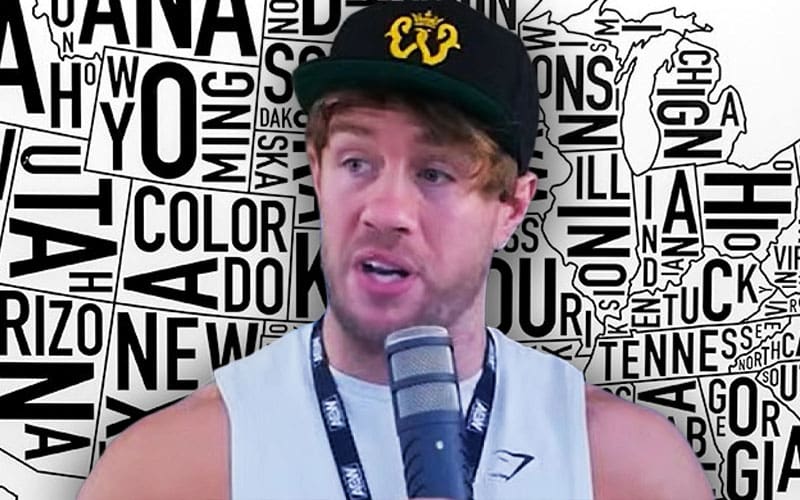
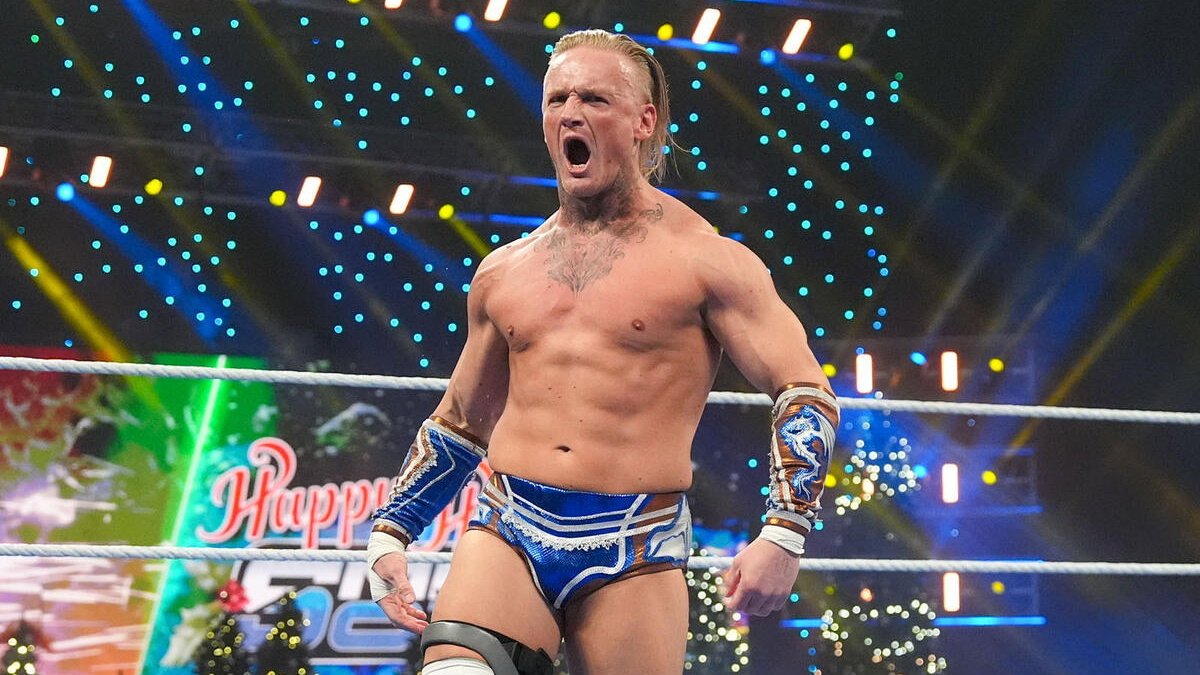
Will Ospreay is currently balancing the physical demands of high-altitude professional wrestling with the necessity of career longevity. Ahead of his title match at NJPW Dontaku this weekend, Ospreay addressed his recent recovery process. The transition back to the New Japan Pro Wrestling ring represents a high-stakes test for the former International Champion, whose style relies heavily on rapid-fire sequences and high-impact landings that consistently test his orthopedic limits.
Ospreay has often operated at an unsustainable pace. By integrating recovery protocols into his training split, he is attempting to mitigate the long-term damage that plagued his previous runs. His ability to perform a Hidden Blade or a Stormbreaker with precision depends entirely on the stability of his upper body and lower kinetic chain. Any lingering stiffness or range-of-motion deficits will be exposed during the high-intensity minutes required in an NJPW main event.
The Dungeon Protocol
While Ospreay focuses on his NJPW commitments, a significant portion of the WWE roster has sought training stability at the Dungeon facility run by Natalya Neidhart and TJ Wilson. The recent reports regarding Ilja Dragunov highlight that talent is increasingly looking for specialized, small-group environments to manage injury return cycles. Dragunov, known for a physical style that rivals Ospreay's, has utilized the facility to ensure his movement patterns remain sharp following his own hiatus.
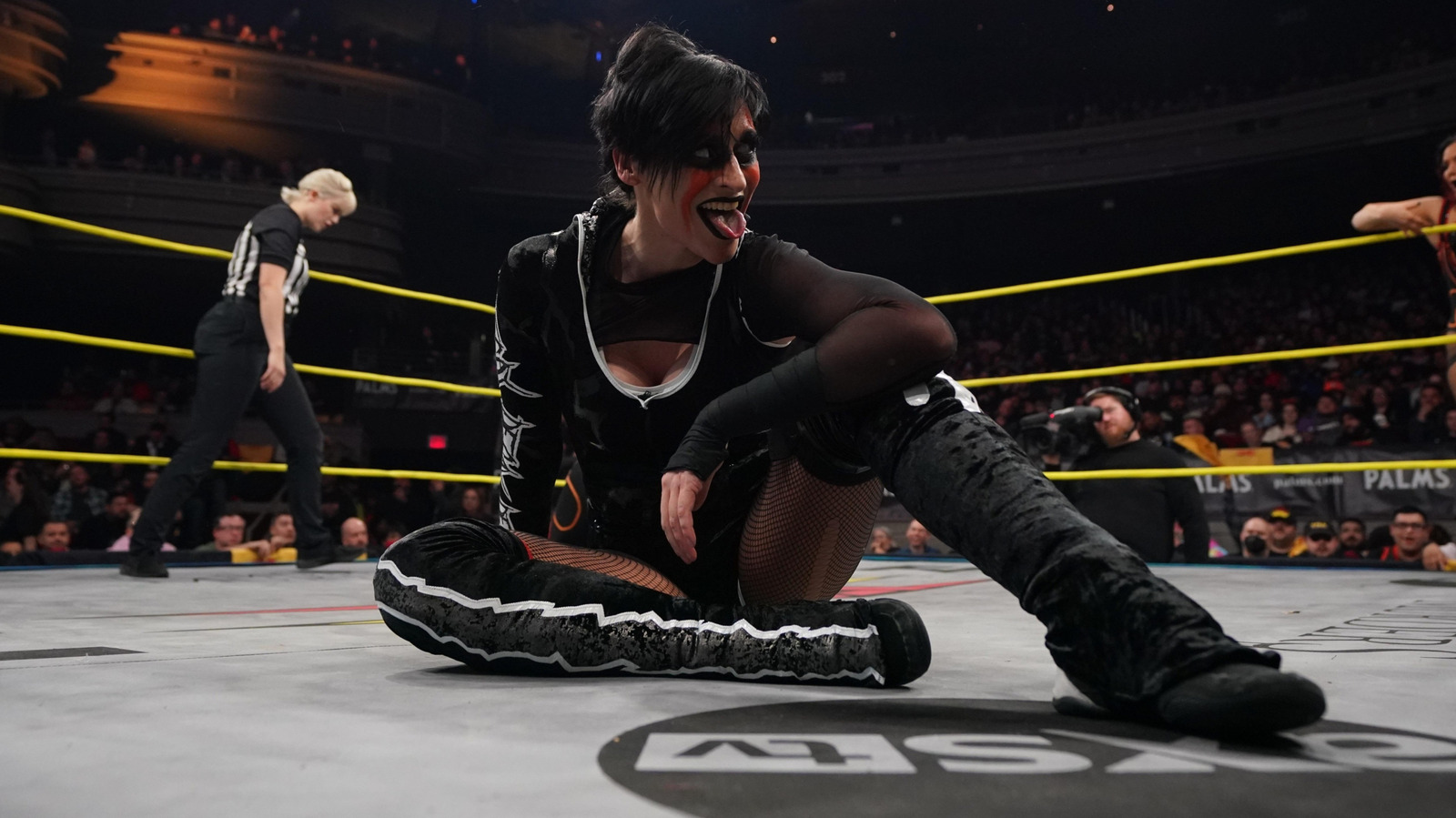
Liv Morgan has also utilized this space to recalibrate her mechanics. Morgan noted clear improvements in her performance output after shifting her training focus to the Dungeon. The trend suggests that top-tier talent is consciously moving away from general performance centers toward hyper-focused technical work to avoid recurring soft-tissue injuries.
Analysis: The Strategic Pivot
The industry is currently obsessed with efficiency. Wrestlers like Jacob Fatu are avoiding the trap of believing their star power grants immunity from injury, as he recently confirmed that the Dungeon environment offers zero special treatment for established names. This is a vital correction for a business that historically incentivized working through pain until a complete structural failure occurred.
However, there remains a glaring flaw in this movement-centric recovery approach. The industry still lacks a standardized protocol for when to actually call a match. Despite the advanced training methods, Ospreay and others are still pushing through recovery to meet booking deadlines. Working an elite-tier match is not the same as training, and the gap between gym-readiness and in-ring endurance is often where injuries re-manifest. We are seeing a move toward better maintenance, but the booking schedule remains the primary antagonist for every performer on the roster.
The Bottom Line
Ospreay’s upcoming date at Dontaku provides a baseline for his current physical integrity. If he displays any hesitation on his push-off or limitations in his overhead work, it will raise immediate questions about the viability of his current training regimen. For a performer whose entire brand is predicated on being the best active wrestler in the world, the 30-minute window of a main event is the only diagnostic that matters.
Fans should monitor his movement during the transition sequences. If he limits his usage of high-velocity impact maneuvers, it will be a clear indicator that he is managing the injury rather than 100% recovered. The outcome of the match will move the needle on his potential involvement in future summer events, but his long-term health will be determined by whether he can actually scale back his intensity when the camera is off.
Read Next
- Tony Khan's Godfather tease proves AEW is ready for Omega vs Okada V
- Andrade as IWGP Global Champ is the chaotic fever dream we needed
- Andrade's IWGP title win creates a booking nightmare for NJPW
- Andrade is finally holding the gold he deserves
- ⚡ AEW Dynasty 2026 — Full Coverage Hub
- 🎲 AEW Double or Nothing 2026 — Full Coverage Hub