The cost of the Rollins incident
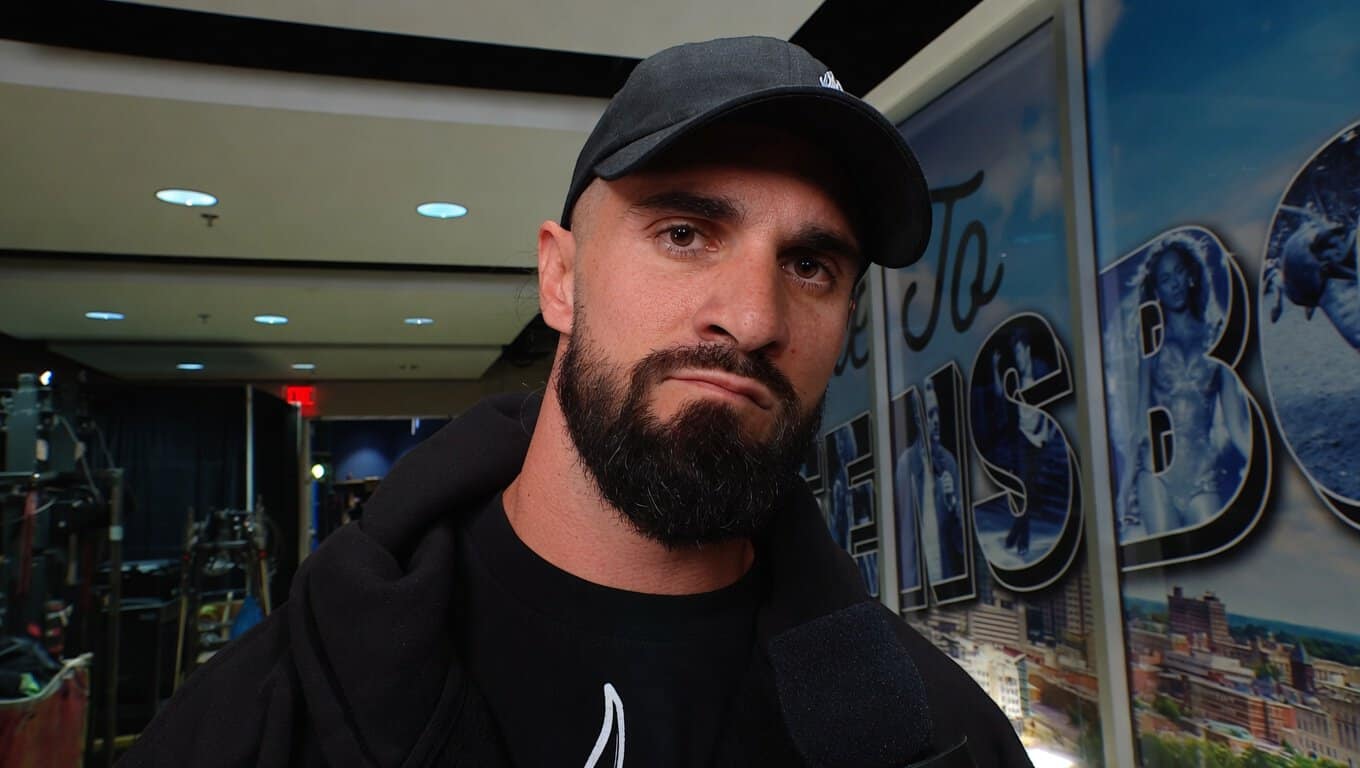
Seth Rollins’ high-profile 2025 injury storyline remains a divisive chapter in recent wrestling history. While designed to generate heat and extend a program, the execution left a section of the audience feeling manipulated. Becky Lynch recently addressed the controversy, defending the booking decision despite the backlash it generated across social media platforms like X and Reddit.
The move, which saw Rollins fake a lower-limb injury to pull an opponent into a trap, was intended to be a modern iteration of classic heel tactics. However, in an era where Becky Lynch notes the audience's heightened sensitivity to talent wellness, the choice to blur the lines between kayfabe and legitimate medical emergency backfired. When fans cannot distinguish between a legitimate trauma and a character beat, engagement doesn't always translate to excitement.
Historical context and the credibility gap
Professional wrestling has a long history of utilizing medical drama to drive storylines. From the infamous staged elevator accidents of the past to more grounded, modern simulated injuries, the industry relies on body maintenance as a proxy for stakes. When a promotion cries wolf, the audience reserves its empathy for future, real-life emergencies.
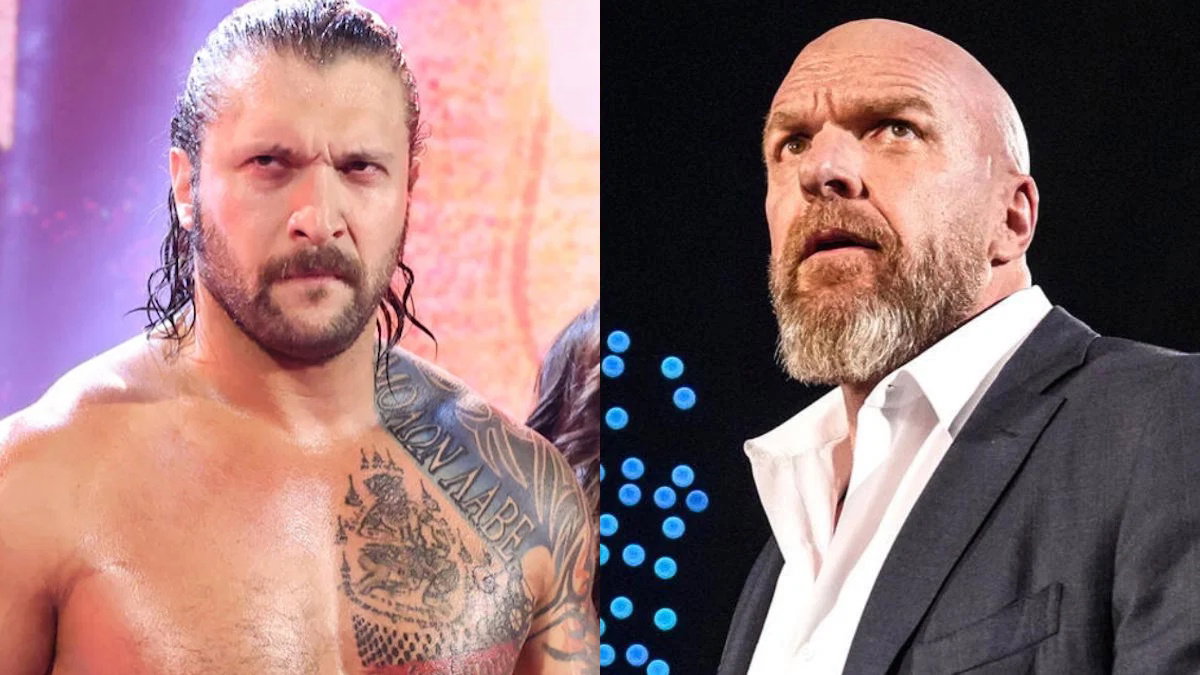
The strategic choice to utilize fake injuries essentially bets against the intelligence of the viewer. Unlike the physical theater of a high-risk dive or a stiff strike, medical manipulation targets the audience's moral compass. As Killer Kross has recently questioned regarding the current decision-making hierarchy in WWE, the layers of approval required for such segments suggest a disconnect between upper management and spectator sentiment.
The broader impact on talent and perception
The incident reminds us that talent physical health is arguably a company's most guarded asset. When a top-tier performer like Rollins is tasked with a narrative that involves lying about his physical status, it undermines the genuine injury reports that surface week-to-week. The industry competes for attention in a climate where transparency is expected, not just requested.
Furthermore, the crossover appeal of wrestling stars adds another layer of scrutiny. High-profile performers like Dwayne Johnson are balancing mainstream acting careers with the physical reality of the ring. As Johnson has recently discussed regarding his role in The Smashing Machine, there is a clear distinction between the character they play in a film and the physical toll of their athletic career. When WWE conflates the two via deceptive booking, it threatens the brand's legitimacy.
The missed mark in execution
The fundamental flaw with the 2025 Rollins angle wasn't the deception itself, but the lack of an immediate, satisfying payoff. Fans don't mind being worked, provided the story feels earned. In this case, the narrative loop felt like a shortcut around proper character development.
If the promotion continues to prioritize short-term shock value over long-term consistency, the risk is a numb audience. The objective of any injury angle should be to generate heat for a match, not to frustrate the consumer. This booking error highlights a recurring issue in how high-stakes matches are built without relying on gimmicky tropes that have already been overplayed in the modern era.
Strategic implications for 2026
Moving forward, the challenge for the booking committee is to restore faith. Every staged injury now requires a higher threshold for proof before the fan base invests their emotional energy. The incident serves as a cautionary tale: the audience is smarter, faster to react, and less forgiving of deception than in any previous decade.
If the company intends to maintain its current growth metrics, they must ensure that internal booking processes evolve beyond the reliance on manufactured drama. The industry has moved past the days where a simple fake-out leads to massive buy rates. Today, the product hinges on a level of authentic engagement that cannot be manufactured through medical duplicity.